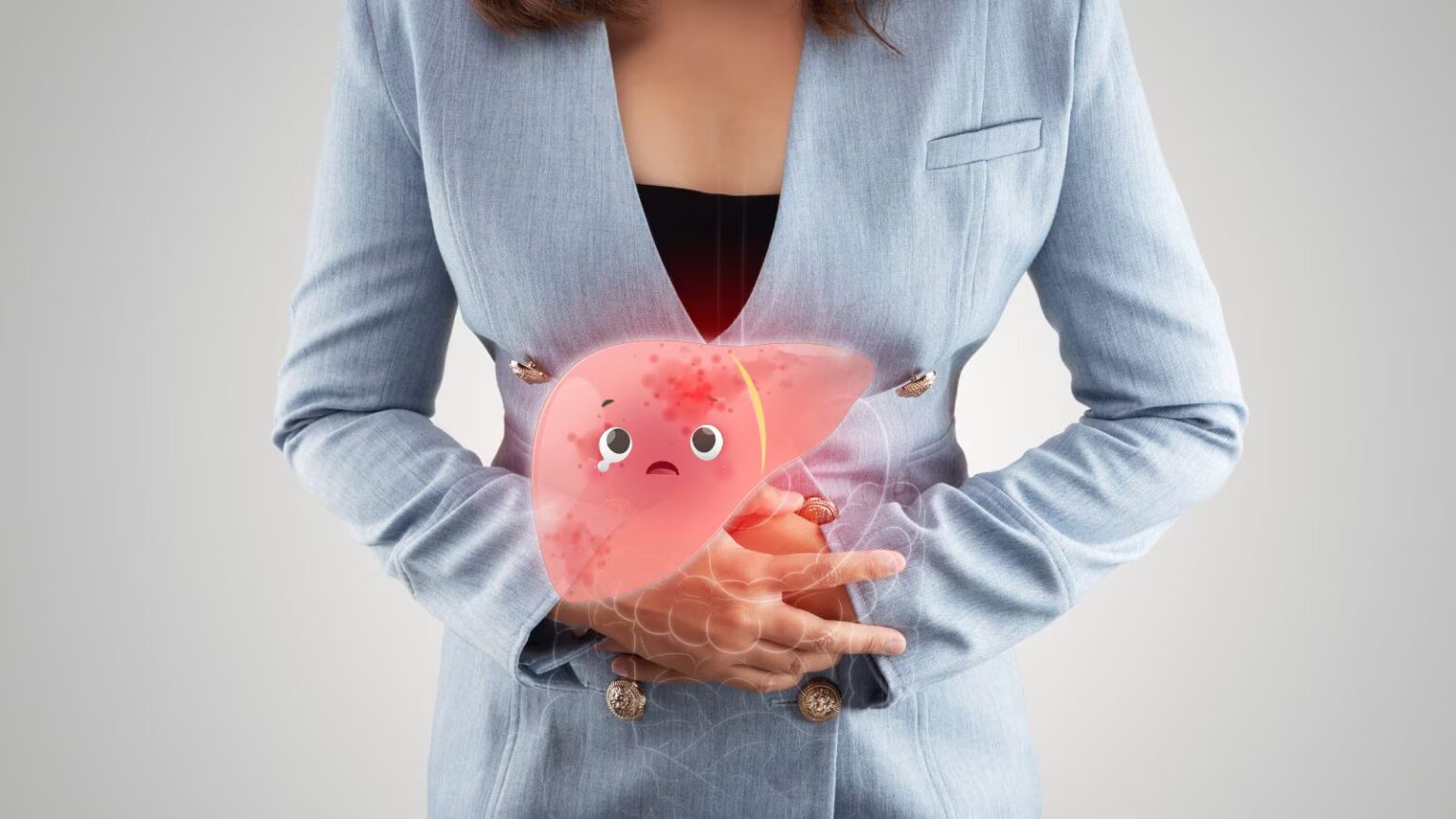
Fatty liver disease: What causes it and how can you prevent it with balanced nutrition and healthy habits to maintain liver health?
World Liver Day, celebrated every year on April 19, reminds us to take care of one of the body’s hardest working yet most overlooked organs. The liver works tirelessly every day to process nutrients, regulate blood sugar levels, store energy, produce essential proteins, and remove toxins from the bloodstream. Despite the central role liver disease plays in maintaining our health, it is often invisible until it is advanced. This year, the day should also be an opportunity to correct one of the most common misconceptions in the public health conversation: blaming fat alone for liver disease. The science is much more complex.
What are the most common causes of fatty liver disease in India?
India is witnessing a rapid increase in metabolic disorders, and fatty liver disease has emerged as one of its most serious consequences, but is underdiagnosed. A recent global study published in The Lancet Gastroenterology & Hepatology estimates that 1.3 billion people worldwide will have metabolic dysfunction-associated steatohepatitis (MASD) in 2023, and this number could rise to 1.8 billion by 2050.
This is particularly concerning because many people with early-stage liver disease experience no obvious symptoms. “Even though a person feels perfectly healthy and continues with their daily activities, fat may be silently accumulating in the liver. If left untreated, this can progress to inflammation, fibrosis, cirrhosis, and even liver cancer. ” Dr. Saurabh Bansal, Gastroenterologists at Apollo Spectra Hospital and National Heart Institute in New Delhi told Healthshot.
Can dietary fat cause fatty liver disease?
Popular discussions often portray dietary fat as the main cause of fatty liver disease. However, scientific evidence increasingly shows that the bigger problem is not dietary fat, but excessive calorie intake and poor metabolic health. The liver stores excess energy as triglycerides. When your calorie intake consistently exceeds what your body burns, whether it’s from refined carbohydrates, sugary drinks, fried foods, or just big portions, your liver begins to store fat.
Does high triglycerides cause fatty liver disease?
This is why fatty liver disease is closely related to high blood sugar, elevated triglycerides, obesity, high blood pressure, and lack of exercise. In fact, several meta-analyses have found that people with fatty liver tend to eat more total calories overall. In contrast, the percentage of calories from fat, carbohydrates, and protein is likely not significantly different from that of a healthy person.

That being said, the type of fat consumed is still important. We recommend rotating fats from nuts, seeds, fish, and some vegetable oils that contain a good or balanced ratio of saturated and unsaturated fatty acids, such as mustard oil, peanut oil, and palm oil. Mustard oil contains omega-3 fatty acids in the form of alpha-linolenic acid, which, along with balanced unsaturated fats, is known to support lipid health by helping maintain healthier triglyceride and cholesterol levels as part of a balanced diet.
Palm oil also contains tocotrienols, important members of the vitamin E family that have powerful antioxidant properties. Emerging evidence suggests that tocotrienols may reduce oxidative stress and support healthier lipid metabolism, both of which are associated with liver and metabolic health. So the goal is not to be afraid of fat, but to understand it better.
Fats are essential for vitamin A, D, E, and K absorption, hormone production, and cellular health. The focus should be on quality, quantity, and overall dietary balance. The field needs to make public health messages more science-based. Demonizing one nutrient often distracts from the real drivers of disease, primarily slow metabolism and chronic overeating.
healthy habits for a strong liver
World Liver Day 2026 Theme,”Solid habits, strong liver,“ It becomes most meaningful when you incorporate it into your daily habits. Protecting your liver doesn’t require extreme diets or fear of nutrition. It requires a balanced diet, regular physical activity, maintaining a healthy weight, limiting alcohol intake, and regularly checking blood sugar and cholesterol levels. Weight loss of just 5-7% has been shown to significantly reduce liver fat and inflammation.
At a broader level, India needs stronger awareness campaigns, clearer food labeling, healthier food environments in schools and workplaces, and active lifestyles. A healthy liver is built through sustainable habits, not fearing a single nutrient. It’s time to move beyond myth and let science guide you. Because the liver remains silently central to our long-term health as individuals and as a nation.