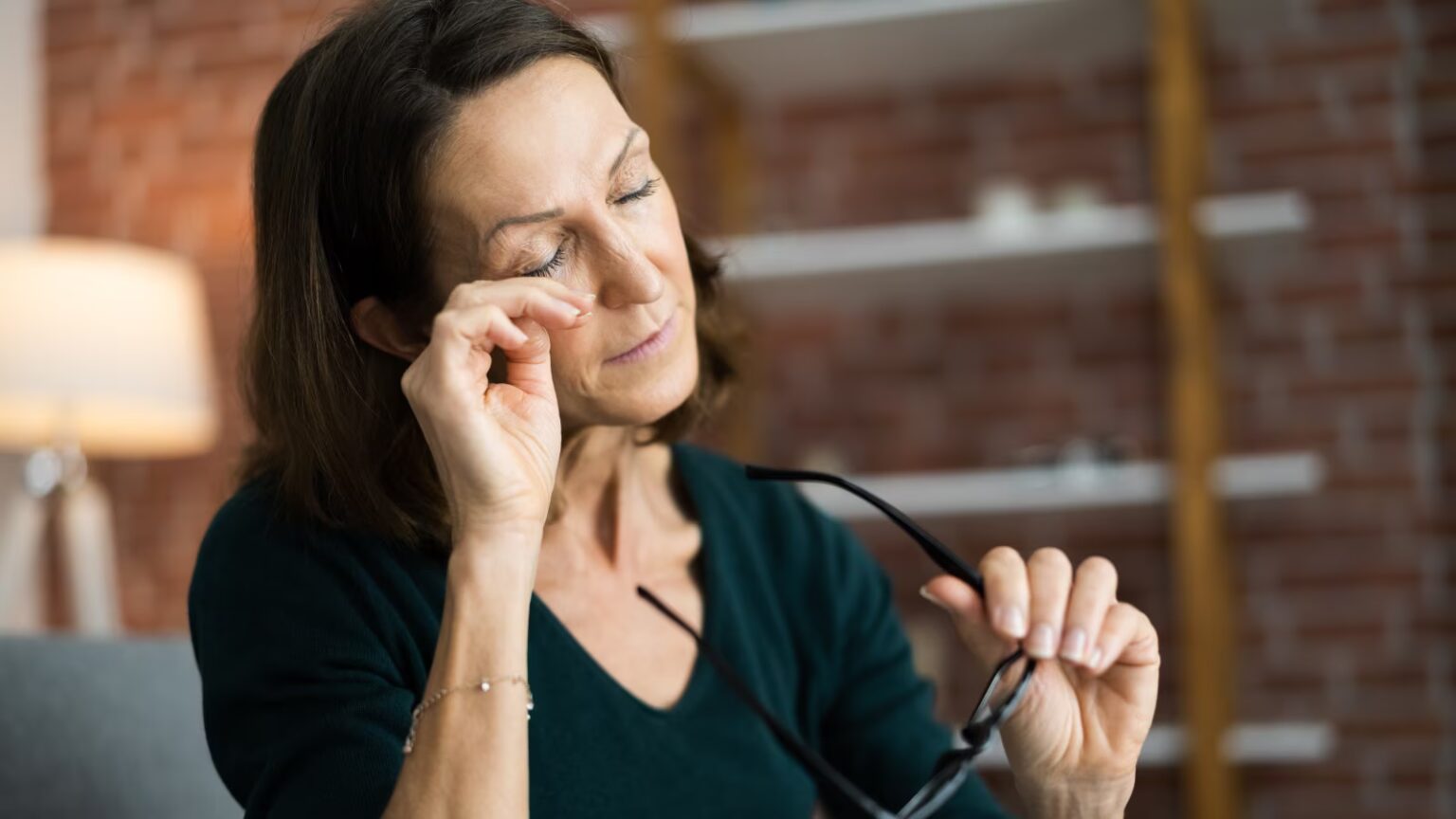
From dry eyes to blurred vision, hormonal changes can silently impact a woman’s eye health at every stage of life. Experts explain how these changes affect your vision.
Have your eyes felt dry, irritated, or slightly blurred at certain times in your life? It’s not necessarily screen time. Hormones may be the cause. Hormonal changes are a natural part of a woman’s life, from puberty to pregnancy to menopause, and they don’t just affect your mood and energy levels. It can also affect your vision and the overall health of your eyes. Studies have shown that women are more likely than men to experience dry eyes and certain vision problems.
Dr Yogesh Chogule, Consultant Cataract, Cornea and Refractive Surgeon, explains that understanding how hormones affect the eye can help you better manage your symptoms and prevent long-term complications.
How do hormones affect the eyes?
Hormones such as estrogen and progesterone directly affect tear production, intraocular pressure, and even the structure of the eye. According to the American Academy of Ophthalmology, these hormonal fluctuations can affect the eye’s oil glands and cause dryness. Estrogen increases the elasticity of the cornea and slightly changes the way light enters the eye. This can cause blurred vision and even discomfort in contact lenses. This is why many women experience fluctuations in their vision at various stages, whether due to oral contraceptives, pregnancy, or menopause.
Eye changes depending on life stage
- puberty: The surge in hormones causes slight changes in the shape of the cornea, increasing the risk of nearsightedness. This is often when vision problems first appear.
- pregnancy: Elevated levels of estrogen and progesterone can cause dry eyes, blurred vision, and photosensitivity. Fluid retention may also cause temporary corneal swelling.
- menopause: Decreased hormone levels reduce tear production, leading to chronic dryness and inflammation, which increases the risk of cataracts and glaucoma.

Why are women more prone to eye diseases?
Women are inherently more vulnerable to certain eye diseases due to hormonal changes. Dry eye syndrome is significantly more common in women. Autoimmune diseases, such as Sjögren’s syndrome and thyroid eye disease, also occur more frequently in women and can affect tear production. After menopause, your risk of developing cataracts and macular degeneration is even higher. Dr. Chougule notes that these risks highlight the importance of regular monitoring and early care.
When should I see a doctor?
Although mild vision changes may be normal, some symptoms should not be ignored. See your doctor if you notice any of the following:
- Sudden or severe blurred vision
- Double vision or blurred vision
- Eye pain or abnormal redness
- Flashes or new floaters
- loss of lateral vision
- A shadow like a dark curtain that covers your vision
These signs may indicate an underlying health problem and should be evaluated immediately.
Why are regular eye exams important?
Regular eye exams can help detect changes early and prevent complications. Children should start eye exams early, while adults can have them every 1 to 2 years. Women over the age of 40, those who are pregnant, and those approaching menopause should be even more careful about regular check-ups. Dr. Chougule emphasizes that timely examinations can make a big difference in maintaining long-term eye health.
Apart from regular eye checkups, it’s easy to check your eye health during hormonal changes. Stay hydrated, blink frequently when using screens, and include omega-3-rich foods like nuts and fish in your diet. Use preservative-free eye drops if needed and consider a humidifier to reduce dryness. If you experience eye irritation, temporarily switch from contact lenses to glasses.