This post may contain affiliate links. This helps us keep this content free. Please read it See disclosure for details.
oatmeal
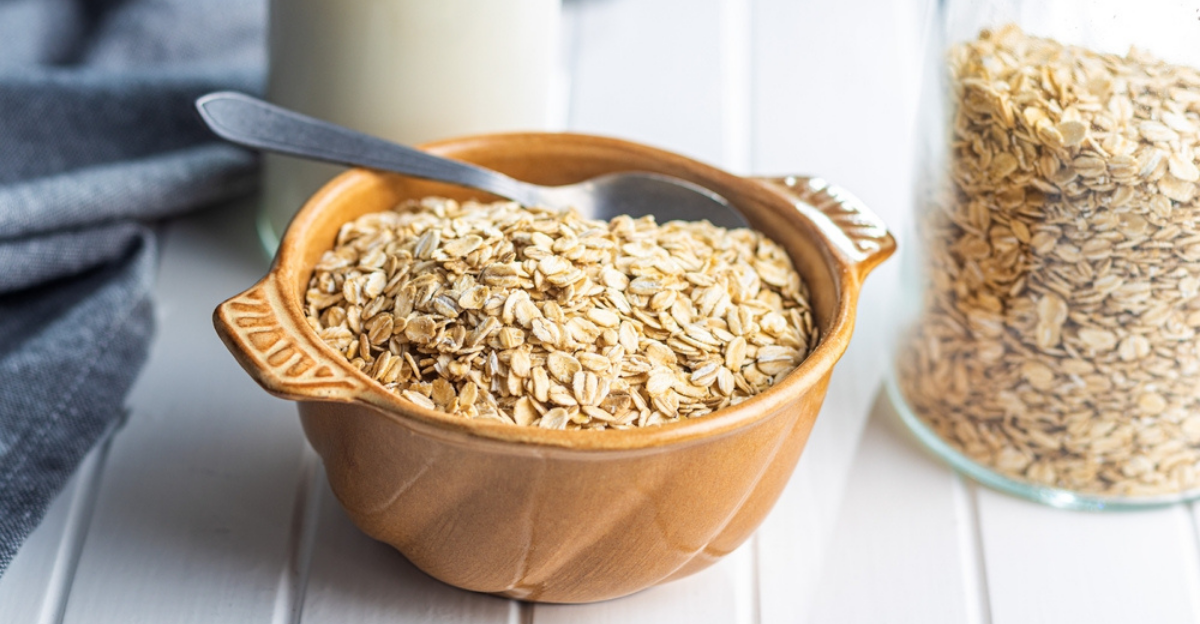
Oatmeal is one of the easiest foods to have on hand when you want more fiber throughout the day. A warm bowl in the morning can do a lot without asking much of you. Contains soluble fiber, which helps you feel full for a long time. So it’s perfect for busy weekday breakfasts when you want something quick and filling.
You can leave it plain, mix it with fruit, or add a spoonful of nuts for extra texture. It also goes well with overnight oats, so you can make it ahead and take it out of the fridge the next morning. Oats have a mild flavor, so they fit into many eating habits without feeling repetitive. This is a big reason why oatmeal is a reliable everyday food.
black beans
Black beans are a staple in your pantry, providing a sneaky boost of fiber to your lunch or dinner. It can be used in bowls, soups, tacos, wraps, and even as a simple side dish. When you want to make your meal more satisfying, a small scoop can go a long way. You can also take in plant-based protein, which is even more useful for your daily cooking.
Canned black beans are especially convenient because they can be washed and used immediately. Because of its soft texture, it can be easily mixed into the foods you normally eat. There’s no need to create a special recipe as it blends into many meals with little effort. That’s why black beans are a great food to get more fiber in a natural way.
apple with skin
Apples are easy to carry, easy to slice, and easy to incorporate into your daily diet. Eating it with the skin on provides more dietary fiber than eating it with the skin on. Therefore, an ordinary apple becomes much more useful than it seems at first glance. It’s the kind of snack you can throw in your bag and eat while you’re at work, school, or running errands.
Apples pair well with peanut butter, yogurt, cheese, and oatmeal, so you’ll never get bored. The crunchy texture makes snacks a little more satisfying than softer foods. Apples are sold everywhere and last a long time in the refrigerator, making them a very practical pick. Small habits, like reaching for an apple, can add up over time.
pear
Pears are another fruit that can help you get more fiber without complicating your diet. It’s soft and juicy, so it’s easy to eat as a snack. Just like apples, you’ll get more fiber if you leave the skin on. Pears have a gentle sweetness and are perfect for breakfast, lunch, or an afternoon snack.
Slice it into oatmeal, add it to a salad, or eat one plain and you’re done. It’s filling, so it’s useful between meals. It doesn’t require much preparation, so it can be easily integrated into your daily life. Pears are a humble but useful food for people who want to get more fiber without much effort.
whole wheat bread
Whole grain bread can make a difference without changing the types of meals you already like. If toast, sandwiches, or breakfast bread is already part of your week, switching to whole wheat is easy. It typically contains more fiber than white bread, so the change can make sense over time. That means you can make your regular sandwich a little more hearty with almost no extra effort.
Whole grain bread also pairs well with eggs, tuna, peanut butter, deli meats, and avocado. It’s familiar, easy to store, and easy to use for breakfast, lunch, or even a quick dinner. It doesn’t feel like a big change since it’s already part of the daily diet for many people. That’s exactly what helps.
Popcorn
Popcorn may surprise people, but if you keep it fairly plain, it’s a fiber-friendly snack. Air-popped popcorn or lightly seasoned popcorn provides a crunchy, hearty meal without much effort. It’s more fun to eat and easier to choose than snacks that leave you hungry quickly. A bowl of popcorn is great for movie nights, afternoon breaks, or late night snack time.
It’s easy to portion, so you can make only the amount you need. Popcorn starts out as a whole grain, so it delivers a little more to the table than people expect. If you want to go on the lighter side, you should watch out for heavy butter-style toppings. Still, popcorn is one of those everyday foods that secretly helps you get more fiber.
sweet potato
Sweet potatoes are filling, easy to prepare, and useful in a variety of meals. It can be baked, roasted, mashed, or even cut into wedges for a quick side dish. It contains dietary fiber, which makes your meal feel more fulfilling. It has a natural sweetness that goes well with flavorful seasonings, and there is plenty of room for arrangement.
By adding a little butter or yogurt to a roasted sweet potato, you can use it as a snack on its own. You can add it to a grain bowl, pair it with eggs, or serve it next to chicken or beans. It keeps well and doesn’t require complicated preparation, so it’s easy to tackle during a typical week. This kind of convenience makes it a powerful everyday option.
avocado
Avocados are popular for good reason, and fiber is part of the reason. It’s creamy, filling, and easy to spread, slice, or mash to add to your meals. You can put avocado on toast, add it to a salad, put it in a sandwich, or serve it next to eggs. This means it fits into the meals you already make several times a week.
The rich texture makes the meal more satisfying and is useful when you want to eat a well-balanced meal. Avocados also do well with simple seasonings like salt, pepper, and lemon juice. It doesn’t take much time to prepare, so you can easily use it even on busy days. That’s why avocados are a very practical food that can help you get a lot of fiber without thinking too much about it.
raspberry
Raspberries are one of the easiest berries to remember if fiber is your goal. It has a sweet and sour taste and contains many small seeds that increase texture and fiber content. Sprinkle a handful on top of yogurt or oatmeal to make your breakfast fresher and heartier. They go well in smoothies, but eating them whole gives them a richer texture.
Raspberries are easy to eat right out of the container and don’t require much preparation. Even small amounts can provide a useful amount of fiber throughout the day. If you’re tired of eating the same fruit every week, its bright flavor can also help break the habit. That makes raspberries a very easy food to keep in your regular rotation.