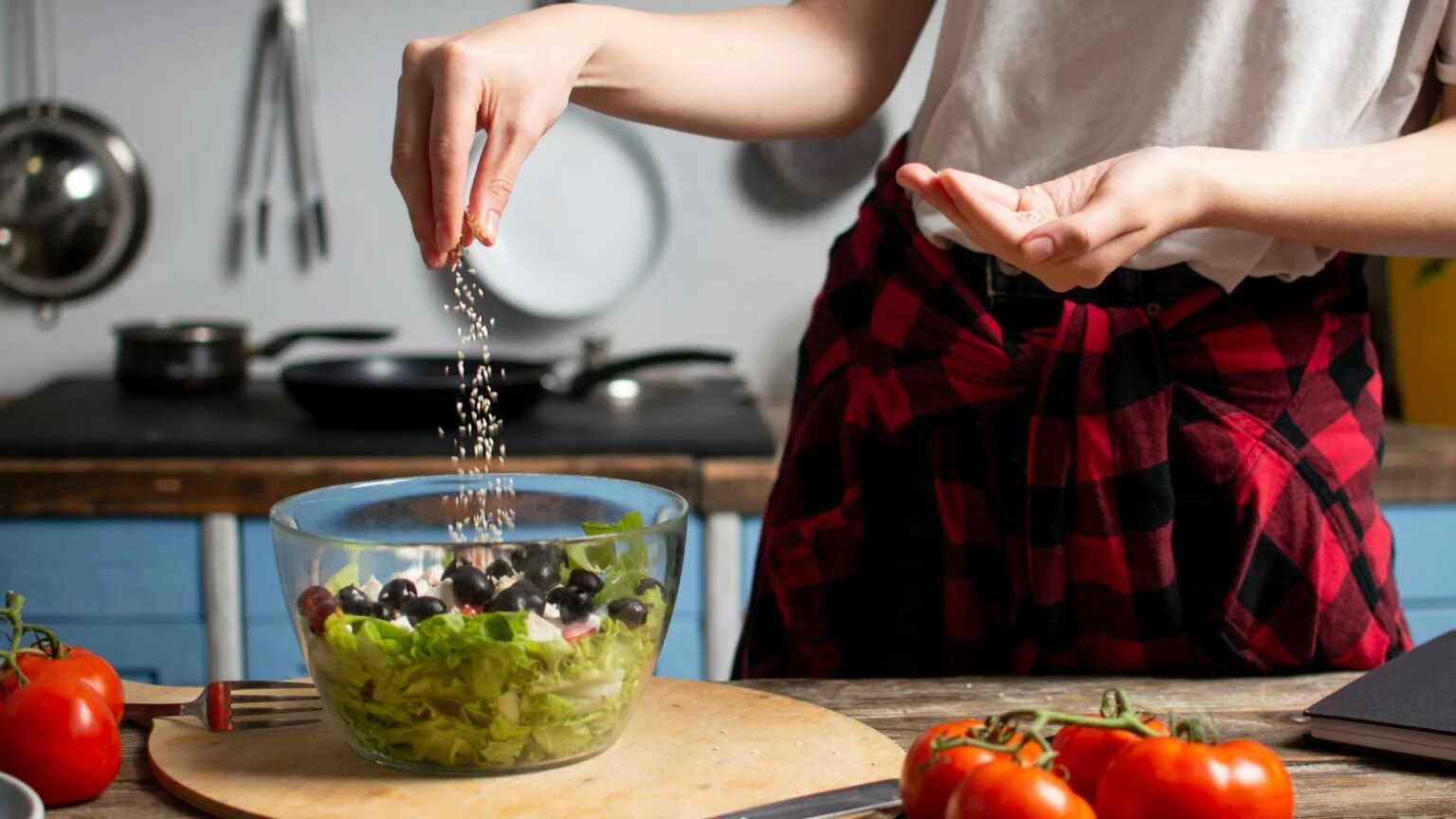
Reducing salt doesn’t mean eating bland foods. A cardiologist explains the simple, flavorful swaps that can protect your heart and help control your blood pressure.
Salt is an essential part of everyday cooking. Instantly enhance flavor from dals to subzis, pickles to snacks. But while too much salt may make your food taste better, it can secretly harm your heart. Many people don’t realize that too much sodium is strongly associated with high blood pressure, heart disease, stroke, and even kidney damage. According to the World Health Organization (WHO), salt intake for adults should be less than 5 grams per day. However, the average Indian consumes close to 8-10 grams daily, which is almost double the recommended amount.
Dr Priya Palimkar, Senior Consultant Cardiology at Sahyadri Super Specialty Hospital, tells Healthshots that reducing salt intake is one of the simplest yet most powerful ways to protect your heart health.
Why reducing salt intake is important for heart health
Too much sodium causes your body to retain water. This increases blood volume and puts extra pressure on the artery walls, causing high blood pressure. This constant pressure damages blood vessels over time, increasing your risk of heart attack and stroke.
A study published in the journal Nutrients found that high sodium intake increases the risk of high blood pressure, while reducing salt intake significantly lowers blood pressure levels. According to the WHO, sodium-related health problems cause approximately 1.89 million deaths worldwide each year.
Dr. Palimkar explains that these effects are interconnected, and high blood pressure not only affects the heart, but also the brain and kidneys.
How to flavor food without salt
1. Use herbs and spices
Fresh herbs like coriander, mint, basil, curry leaves, rosemary, and thyme instantly liven up dishes without adding salt. Spices like turmeric, cumin, black pepper, cinnamon, and cloves not only enhance flavor but also have anti-inflammatory properties. Many herbs and spices contain antioxidants that support blood vessel health. Over time, your taste buds will adjust and you may not want the extra salt.
2. Adds natural acidity to reduce salt cravings
Ingredients like lemon juice, kokum, tamarind, vinegar, and raw mango stimulate the taste buds and make food feel flavorful even when it’s low in salt. The tangy element naturally balances the dish and reduces the need for added sodium. This sensory trick works surprisingly well, especially in Indian cuisine, where sourness is already common.
3. Add depth with aromas such as garlic and ginger
Garlic, ginger, and onions are the base of many traditional recipes. Research shows that garlic, when consumed regularly as part of a balanced diet, may help lower blood pressure and LDL (bad) cholesterol levels. Dr. Palimkar says that while these ingredients won’t “clear out blocked arteries,” they may improve cardiovascular risk markers over time.

4. Eat healthy fats in moderation
Cold-pressed oils such as olive oil, mustard oil, and peanut oil can improve texture and make a low-salt diet more satisfying. Nuts and seeds, such as walnuts and flaxseeds, provide heart-healthy omega-3 fatty acids. Used in the right amounts, these healthy fats can add flavor and help you feel full without resorting to excess salt.
5. Change not only the ingredients but also the cooking method.
Roasting, grilling, slow cooking, and sautéing enhance the natural flavors of foods. These methods create sweetness and depth and reduce the need for added salt. If you consistently reduce salt intake, your taste buds will begin to appreciate foods that are less salty.
As Dr. Palimkar emphasizes, reducing salt doesn’t mean sacrificing taste. It’s about making smarter flavor choices that protect your heart.