Hypoglycemia (low blood sugar) may seem like an excuse to eat candy, but for diabetics, it’s never fun. Hypoglycemia can interfere with daily life, create dangerous situations such as while driving, and cause agitation and panic.
This article describes the symptoms, causes, treatments, and prevention of hypoglycemia.
What is hypoglycemia?
For people without diabetes, blood sugar levels rarely fall below 70 mg/dL.
When this happens, the body begins to lose even basic functions. The brain relies on a constant supply of glucose for both physical and mental processes and can quickly become dysfunctional.
If left untreated, hypoglycemia can lead to serious complications including seizures and even death.
See below for more information. What is normal blood sugar? and Blood Sugar Chart: Blood Sugar Level and A1c Target.
What are the signs and symptoms of hypoglycemia?
There are several important signs that your blood sugar levels have fallen below safe levels. According to the American Diabetes Association (ADA), symptoms of low blood pressure include:
- feeling unstable
- tension or anxiety
- sweating, chills, stickiness
- irritation or impatience
- confusion
- fast heart rate
- Lightheadedness or dizziness
- hunger
- nausea
- Pallor (loss of color from the skin)
- sleepiness
- Weakness or lack of energy
- Blurred or impaired vision
- Tingling or numbness in the lips, tongue, and cheeks
- headache
- clumsiness or coordination problems
- Crying during nightmares or sleep
- seizure
Other specific symptoms may also occur. For example, if your blood sugar levels drop during exercise, your thighs will feel numb and tingly. It is important to recognize the early signs of hypoglycemia in yourself so that you can treat it promptly.
Unawareness of hypoglycemia
Some people, especially those with long-term diabetes, can develop “sublime hypoglycemia.” This happens when the body stops sending signals of low blood sugar, increasing the risk of severe hypoglycemia and seizures.
According to the ADA, it is possible to reverse the early warning symptoms of hypoglycemia by avoiding hypoglycemia for several weeks. In this case, you may need to temporarily increase your blood sugar target, but this should be discussed with your healthcare team.
To manage the symptoms of hypoglycemia, consider using a continuous glucose monitor (CGM), which can warn you before hypoglycemia becomes dangerous.
Slightly higher blood sugar targets, such as aiming for 100 to 110 mg/dL instead of 90 mg/dL, can also reduce the risk of severe hypoglycemia.
See below for more information about this condition. Understanding unconscious hypoglycemia.
Symptoms of hypoglycemia appear even though the blood sugar level has not actually fallen…
If you are a diabetic or suffer from consistently high blood sugar levels (A1c 8% or higher), your body may adapt to these higher blood sugar levels. False symptoms of hypoglycemia can be triggered when blood sugar levels begin to drop to a more healthy range.
Resolving this issue will take time. If you suffer from diabetes, contact your health care team for support.
Work with a Certified Diabetes Care and Education Specialist (CDCES) to gradually lower your blood sugar goals and allow your body to adapt to healthier levels without causing false blood sugar levels.
What causes hypoglycemia?
Low blood sugar levels in people with type 1 and type 2 diabetes are usually caused by imbalances in diet, activity, insulin, or other diabetes medications.
Exercise without adjusting insulin or carbohydrates
Activities such as walking after a meal cause the body to burn glucose faster, which can cause a significant drop in blood sugar levels if insulin is not regulated.
Inaccurate insulin dosing for carbohydrates
Misjudging the amount of insulin needed for a meal, such as giving a smaller amount for a medium apple, can easily cause hypoglycemia.
Hint: Use tools like calorie king Double check your carbohydrate count.
Increased insulin sensitivity due to weight loss
Losing just 5 pounds can make your body more sensitive to insulin and cause frequent low blood pressure.
Hint: Consult CDCES for basic testing and carbohydrate ratio testing.
Changes in insulin needs
Factors such as stress, activity, and weight changes can all affect your insulin needs over time.
Tight blood sugar goals
Aiming for non-diabetic blood sugar levels increases the risk of frequent low blood sugar levels, as even small amounts of insulin or activity can cause blood sugar levels to drop suddenly.
Hint: If hypoglycemia occurs frequently, review and modify your dietary insulin dosage to prevent hypoglycemia from occurring again.
To learn more about adjusting your insulin dose, losing weight, and exercising, check out these articles:
Tips for treating hypoglycemia
While the “Rule of 15” or “15-15 rule” (check your blood sugar levels 15 minutes after eating 15 grams of carbohydrates) is a general guideline, managing hypoglycemia in real life can be more nuanced.
have a glucagon kit
In cases of severe low blood pressure, such as inability to eat or loss of consciousness, glucagon kits can be lifesaving.
Glucagon is a hormone that counteracts insulin and increases blood sugar levels. Both injections and nasal sprays are available.
Make sure your prescriptions are up to date, keep your kit in an accessible place, and make sure others know where it is and how to use it.
If glucagon is not available or those present do not know how to administer glucagon, you should call 911 immediately.
Wear your medical ID
People with diabetes, especially those using insulin, should always carry their medical ID.
In the event of an emergency, such as severe hypoglycemia or an accident, medical ID provides important information such as diabetes status, insulin use, and allergies.
Emergency personnel are trained to look for these IDs if a person is unable to communicate.
Medical IDs are typically worn as bracelets or necklaces, can be engraved with key health information, and some now even offer USB drives to store complete medical records.
Use fast-acting carbohydrates
Avoid slow-digesting foods like chocolate bars. Instead, choose fast-absorbing carbohydrates like glucose tabs, gummy candies, juice, and honey to quickly raise blood sugar levels.
See below for more information. How to treat unwellness as soon as possible.
Consume 5-15 grams of carbohydrates
For mildly low concentrations (approximately 65 mg/dL), 5 grams may be sufficient. More severe hypotension (55 mg/dL and drop) may require 15 grams or more depending on insulin levels. Please be patient. Check your meter before eating more to avoid overtreatment.
See below for more information. What is hypoglycemia?
Get fast-acting carbohydrates anywhere
Keep a stockpile of ready-to-eat carbohydrates in places like your nightstand, purse, car, and office, especially in extreme temperatures where some foods can go bad.
avoid overeating
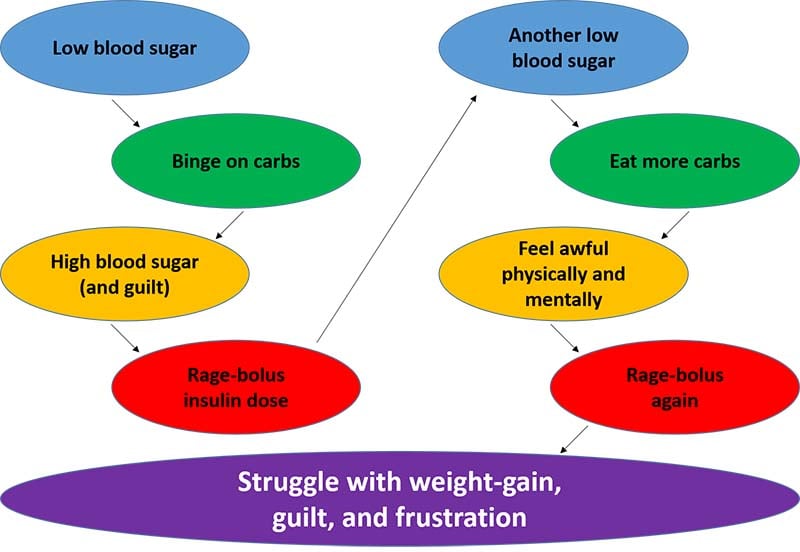
It’s common to overeat when your blood sugar is low, but this can cause your blood sugar to spike, make you feel guilty, require more insulin, and cause hypoglycemia again. Recognize this cycle from my book Emotional Eating with Diabetes and focus on healthier low-medicine strategies.
Overcoming the complexities of hypoglycemia
Hypoglycemia can be really difficult. For people taking insulin and other blood sugar-lowering drugs, they are often unavoidable as part of diabetes management.
The best approach is to identify areas to adjust to prevent hypotension and to always have fast-acting carbohydrates on hand to treat hypotension if it occurs.
Was this article helpful? Let us know by clicking Yes or No below.