By using this site, you agree to the Privacy Policy and Terms of Use.
Accept

Fitness Focus Front

Master Your Health, Master Your Future.

  • Home
  • Wellbeing
  • Fitness
  • Diabetes
  • Healthy Eating
  • Weight Loss
  • Intimate Health
  • Mindset
Notification Show More

Fitness Focus Front

Master Your Health, Master Your Future.

  • Home
  • Wellbeing
  • Fitness
  • Diabetes
  • Healthy Eating
  • Weight Loss
  • Intimate Health
  • Mindset
Follow US
Fitness Focus Front > Diabetes > How to Manage Eosinophilic Esophagitis During Allergy Season
Diabetes

How to Manage Eosinophilic Esophagitis During Allergy Season

February 13, 2026 2 Min Read
Share
2 Min Read
How to Manage Eosinophilic Esophagitis During Allergy Season
SHARE

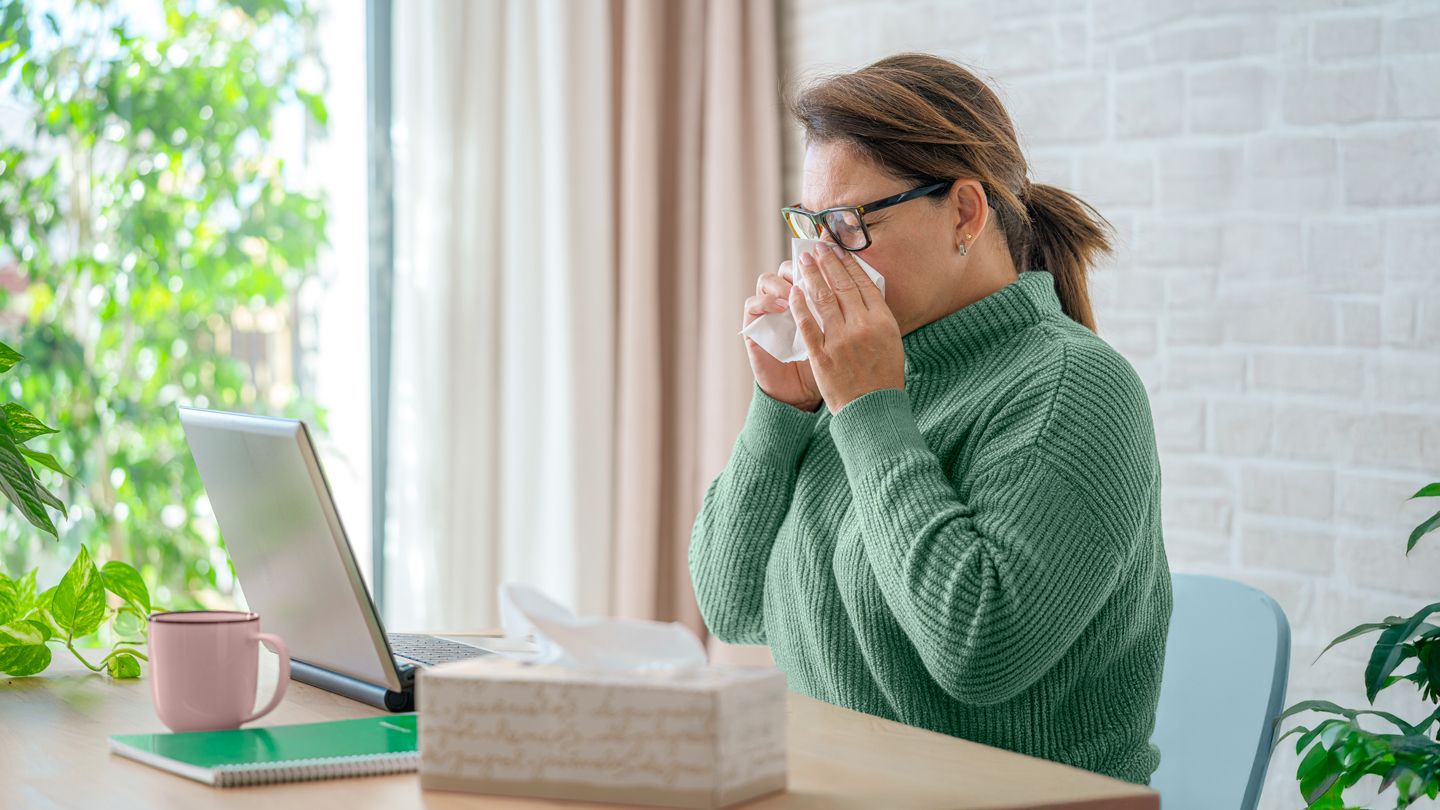
There are medical and lifestyle adjustments that can help manage both allergies and EoE symptoms.

First, you need to identify the culprit foods and avoid them. “Elimination diets are often the first-line treatment,” says Dr. Huang. You’ll probably start by eliminating common allergens (egg, nuts, soy, etc.) from your diet. Your gastroenterologist will then perform a biopsy of your esophagus to see if the inflammation is under control. If so, you can slowly introduce foods back into the diet. Once you know the cause, it’s best to avoid them completely.

Milk and wheat are also common triggers for EoE and can contribute to fecal impaction caused by food getting stuck in the esophagus, so it’s best to eliminate these foods as well. In fact, a recent study found that when EoE patients eliminated milk from their diet, their esophageal symptoms decreased by 34 percent.

If you have environmental allergens, it is also important to take steps to address them, although this may not have a direct impact on your esophageal symptoms. A good first step is to see an allergist to narrow down the exact allergy. Discuss whether you should get allergy shots or take antihistamines regularly.

If your EoE tends to be exacerbated by seasonal allergies, check the pollen counts in your area and avoid being outdoors on days with high pollen counts. If possible, keep windows closed (pollen can come in through open windows and doors), shower at night to remove pollen from your body before bed, and avoid breathing in pollen all night.

See also  11 Ways to Sleep Better With Type 1 Diabetes

Finally, talk to your doctor about your symptoms to determine whether your current medications are appropriate or need adjustment. EoE and its associated symptoms are highly variable and can quickly become severe, so it is important to have the correct diagnosis and treatment plan.


TAGGED:DiabetesDiabetes HealthDiabetes Management
Share This Article
Facebook Twitter Copy Link
Leave a comment Leave a comment

Leave a Reply Cancel reply

Your email address will not be published. Required fields are marked *

Popular Blogs

Why oral sex may help with sleep, stress and connection: A sexologist explains
February 11, 2026
How daily conversations can help prevent suicide: A psychiatrist explains
February 11, 2026
Front Squat vs Back Squat: Muscles Worked, How to, and More
February 12, 2026
Can coffee help you poop if constipated? A gastroenterologist explains the link
February 12, 2026
EMDR Therapy
EMDR Therapy Explained: How It Helps Trauma Survivors Heal Safely
February 12, 2026

You Might Also Like

Genes or Lifestyle: Which Matters More for Longevity?
Diabetes

Genes or Lifestyle: Which Matters More for Longevity?

By Mofo Bond
What Is Post-Traumatic Stress Disorder (PTSD)?
Diabetes

What Is Post-Traumatic Stress Disorder (PTSD)?

By Mofo Bond
Keeping Cool: A Guide to Managing Early-Stage Alzheimer’s in Heat and Humidity
Diabetes

Keeping Cool: A Guide to Managing Early-Stage Alzheimer’s in Heat and Humidity

By Mofo Bond
Foods That Cause (or Look Like) Blood in Your Stool, and When to Worry
Diabetes

Foods That Cause (or Look Like) Blood in Your Stool, and When to Worry

By Mofo Bond

Topics

  • Wellbeing
  • Fitness
  • Diabetes
  • Healthy Eating
  • Weight Loss
  • Intimate Health
  • Mindset
  • Home
  • Wellbeing
  • Fitness
  • Diabetes
  • Healthy Eating
  • Weight Loss
  • Intimate Health
  • Mindset

Legal Pages

  • About Us
  • Contact Us
  • Disclaimer
  • Privacy Policy
  • Terms of Service
  • About Us
  • Contact Us
  • Disclaimer
  • Privacy Policy
  • Terms of Service

Editor's Choice

Measuring Waist to Hip Ratio
Can coffee help you poop if constipated? A gastroenterologist explains the link
BODi LAVA: Slow Burn | BODi

© 2025 All Rights Reserved | Powered by Mofo bond

Welcome Back!

Sign in to your account

Lost your password?