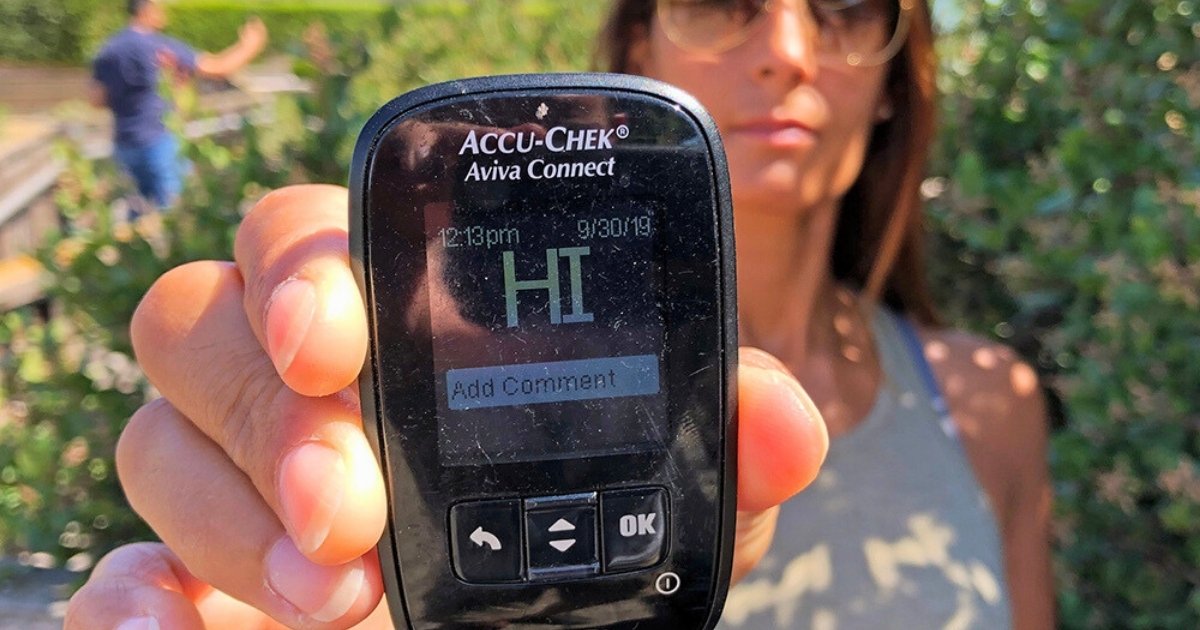
Blood sugar levels above 400 mg/dL (22 mmol/L) are considered severe hyperglycemia and require immediate attention.
This article explains what to do if your blood sugar level exceeds 400 mg/dL.
What is severe hyperglycemia?
Most people with diabetes begin to experience symptoms at high blood sugar levels of 180 to 200 mg/dL (10 mmol/L). Insulin-dependent patients should be treated with insulin if their blood sugar levels are above 200 mg/dL.
If your blood sugar level is above 250 mg/dL (14 mmol/L), you should take a urine test for ketone bodies at home to rule out diabetic ketoacidosis (DKA). DKA is a dangerous complication of diabetes that can be fatal if not treated promptly.
If your blood sugar levels are above 250 mg/dL for several hours, you have mild, moderate, or high ketone levels, and you are having trouble lowering your blood sugar levels, seek immediate medical attention.
People with diabetes are at risk of entering a diabetic coma if their blood sugar levels, along with ketone bodies, reach 600 mg/dL (33 mmol/L) or higher. Blood sugar levels this high usually require immediate medical attention at a hospital.
What causes high blood sugar?
High blood sugar levels are a direct result of not having enough insulin in the body (cells).
Several factors can cause your blood sugar levels to become dangerously high.
- If you forget to take your insulin: Withholding or not taking enough insulin can cause your blood sugar levels to rise.
- Equipment failure: A malfunctioning insulin pump or continuous glucose monitor (CGM) can miss early warning signals or prevent insulin from being administered.
- Illness or infection: The body’s response to illness can cause blood sugar levels to rise.
- Meal selection: Eating large amounts of carbohydrates without providing adequate insulin.
- stress: Emotional or physical stress can cause hormonal changes that increase blood sugar levels.
- Drug interactions: Certain drugs and steroids can affect blood sugar control.
What should I do if my blood sugar level is above 400 mg/dL?
If your blood sugar level is above 400 mg/dL (22 mmol/L), there are some immediate steps you can take to lower your blood sugar quickly.
Please check your blood sugar level again
In some cases, your continuous glucose monitoring (CGM) system or blood glucose meter may be giving incorrect readings.
Before taking any drastic measures, wash your hands and test your blood sugar again (if your CGM reading is high, test your blood sugar manually).
In some cases, it’s always best to double check if your blood sugar is actually high, as it could be that you had sugar or other substances on your hands that caused the reading to be falsely high in the first place.
Ketone body test
Ketone bodies are a type of chemical that your liver breaks down from fat to produce for energy when your body doesn’t have enough insulin to use glucose for energy.
The presence of ketone bodies is very dangerous because the body behaves in this way when blood sugar levels remain high for a long time.
You can test for ketones at home with a simple urine or blood test.
If you have ketones, this usually indicates that you need to take additional insulin to lower your blood sugar levels (most people who develop ketones have type 1 insulin-dependent diabetes).
Talk to your doctor about how your insulin correction factor changes if you have ketones.
If you are insulin dependent, take insulin.
Retest your blood sugar levels, test for ketones (presence of ketone bodies), and if you are insulin dependent, the next thing to do if your blood sugar levels are above 400 mg/dL (22 mmol/L) is to take insulin immediately.
It is recommended that you take a fast-acting insulin such as Humalog, Novolog, Fiasp, or Rymujev rather than a long-acting insulin such as Lantus or Levemir. This should start lowering your blood sugar levels faster.
If you use an insulin pump and think your insulin pump may be malfunctioning, try a manual correction injection of insulin and then relocate your insulin pump.
Malfunction at the insulin pump site can cause blood sugar levels to rise rapidly, especially if they rise during nighttime sleep.
This is because insulin pumps only use short-acting insulin, unlike multiple daily injections of long-acting insulin, and if your insulin pump stops working, your body quickly runs out of insulin.
drink a glass of water
High blood sugar levels can lead to dehydration, which can lead to diabetic ketoacidosis (DKA). High blood sugar levels can also cause you to urinate more than normal, making drinking water even more important.
For these reasons, you need to stay hydrated.
Avoid drinking carbonated drinks and juices as they only increase blood sugar levels. Drink water or a diet drink.
Walk for about 20 minutes
Even 20 minutes of light exercise after administering insulin and hydrating can help your blood sugar levels start to drop quickly.
However, it is not recommended to exercise if you have ketones. This is because the increase in blood sugar levels caused by ketone bodies causes dehydration, and exercise can make dehydration worse. This can cause blood sugar levels to rise even higher.
If blood sugar levels do not come down after several hours, contact your doctor
If you have tried all of the above methods and your blood sugar levels do not come down after several hours, contact your doctor (especially if you have mild, moderate, or high ketones, and/or if you are sick).
Your doctor can advise you on additional strategies to adopt. You may be advised to go to the hospital and receive intravenous fluids or insulin to prevent dehydration and the development of DKA.
What is the fastest way to lower high blood sugar?
If you are insulin dependent, the quickest way to lower your blood sugar levels is to take insulin.
If you are not insulin dependent, staying hydrated with water and exercising are the fastest ways to lower your blood sugar levels quickly.
What should I do if my blood sugar levels don’t go down?
If your blood sugar levels do not come down, call your doctor or 911 for immediate emergency treatment. High blood sugar levels are harmful and can quickly progress to DKA.
If your blood sugar levels are high for several hours and you have mild, moderate, or high ketone levels, you should seek medical attention.
Signs and symptoms to look out for include:
- nausea
- vomiting
- confusion
- shortness of breath
- body pain
- fruity scented breath
- stomach pain