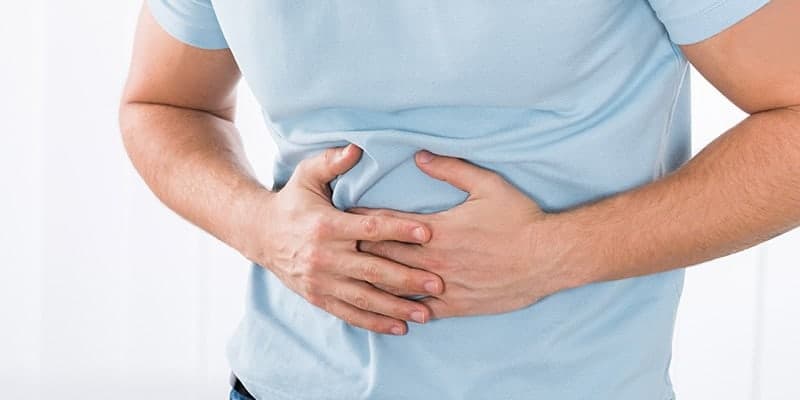
Diabetic gastroparesis, also known as “diabetic stomach,” often develops slowly, but over time, the symptoms can begin to affect every part of your life and become impossible to ignore.
It is estimated that up to 50% of people with diabetes may experience some degree of gastroparesis during their lifetime. However, symptoms vary widely from person to person and are often misdiagnosed.
What is diabetic gastroparesis?
Gastroparesis is a known complication of both type 1 and type 2 diabetes that affects the body’s ability to properly digest food.
The National Institute of Diabetes and Digestive and Kidney Diseases (NIDDK) defines gastroparesis, also known as delayed gastric emptying, as a disease in which the movement of food from the stomach to the small intestine slows or stops, even though there is no obstruction.
Diabetes-related gastroparesis usually occurs when high blood sugar levels damage nerves throughout the body, including the vagus nerve, which is important for digestive function.
As a report in diabetes spectrumThe Journal of the American Diabetes Association (ADA) explains that elevated blood sugar levels cause chemical changes in nerves and can damage blood vessels responsible for supplying oxygen and nutrients.
Injury to the abdominal muscles can reduce their function or, in more severe cases, cause them to stop working completely. This makes it difficult for the stomach to move food through the digestive tract.
If food stays in the stomach too long, bacteria can overgrow as the food ferments.
The ADA also notes that food can harden into solid clumps called bezoars, which can cause nausea, vomiting, and dangerous blockages in the stomach.
Larger bezoars can block food from entering the small intestine and can be life-threatening if left untreated.
Gastroparesis in diabetics despite healthy blood sugar levels
Gastroparesis is usually associated with high blood sugar levels, but people with diabetes can develop gastroparesis even if their A1c (a measure of blood sugar control over the past two to three months) and blood sugar levels are within a healthy range.
In these cases, diabetic complications do not occur alone, but often in parallel with other diseases.
For example, some people experience both gastroparesis and retinopathy (damage to the retina of the eye), or a combination of peripheral neuropathy and retinopathy.
Diabetic gastroparesis signs and symptoms
The symptoms of gastroparesis go beyond typical digestive problems. Like many diabetic complications, gastroparesis develops gradually, so early signs may go unnoticed until the condition becomes severe enough to interfere with daily life.
Common symptoms reported by the ADA and NIDDK include:
- nausea after eating
- vomiting after eating
- Feeling full just by eating a small amount
- Mild to severe bloating after meals
- Pain in the upper part of the stomach (epigastric pain)
- Gradual, unexplained weight loss
- loss of appetite
- Blood sugar levels become unstable after meals despite accurate insulin administration
- heartburn or acid reflux
- frequent burping
- Impaired absorption of oral drugs
- Spasms and spasms of the stomach wall
“It is very important to discuss any obvious stomach or digestive issues with your health care team,” says Susan Weiner, MSc, RDN, CDCES, CDN, FADCES, 2015 AADE Diabetes Educator of the Year. “This may include chronic constipation, bloating, or recent unexplained high blood sugar levels.”
Weiner emphasizes the need for medical professionals to create an open and supportive environment for patients, as discussing digestive issues can be uncomfortable.
Especially in the case of gastroparesis, managing blood sugar levels can be an added frustration, so having a supportive medical team is essential for effective treatment.
Things that worsen gastroparesis
Factors that can worsen gastroparesis include:
- foods high in fiber
- high fat foods
- large meals
- stress, anxiety, depression
- smoke a cigarette
- alcohol
- Carbonated drinks (soda, carbonated drinks, etc.)
Drugs that can worsen gastroparesis
It is important to talk to your doctor about any medications you are taking for other conditions. This is because some medications can indirectly affect the digestive system and worsen the symptoms of gastroparesis.
Be sure to tell any health care professional who prescribes new medicines that you have gastroparesis. Medications, such as inhalers used for asthma, can also affect the digestive system.
Drugs that can worsen gastroparesis include:
- Narcotics (e.g., codeine, hydrocodone, morphine, oxycodone, tapentadol)
- certain antidepressants
- Some anticholinergic drugs (drugs that block nerve signals)
- Medications used to treat overactive bladder
- muscle relaxant
- Diabetic drug Symrin (generic name pramlintide)
Complications of diabetic gastroparesis
If the body is unable to properly digest food, various complications can occur before a formal diagnosis of gastroparesis is made. These complications include:
- Dehydration due to frequent vomiting
- Malnutrition due to malabsorption of nutrients
- Difficulty managing blood sugar levels after meals
- Low calorie intake or difficulty getting enough calories
- Bezoars (hard lumps of undigested food in the stomach, as highlighted above)
- Reduced food intake makes it difficult to maintain a healthy weight
- Reduced quality of life due to malnutrition, pain, and other symptoms
Laura’s story: My first symptoms
“My first symptoms started six years before my diagnosis,” Laura Marie told Diabetes Strong. Laura has lived with type 1 diabetes since 2002, when she was 16 years old. She was officially diagnosed with diabetic gastroparesis in 2014.
“My gastroparesis symptoms included nausea and vomiting. I would often feel nauseous in the morning, and I would vomit undigested food hours or even days after eating.”
As her symptoms progressed, Laura began to feel so bloated that by the end of the day she was unable to get dressed. In addition, she suffered from severe cramps and stomach pain.
“My blood sugar levels were also incredibly unstable, with low blood sugar immediately after meals and high blood sugar a few hours later, especially at night.”
Using a continuous glucose monitor (CGM), Laura was able to track these unstable blood sugar patterns, which gave her valuable insight into how her condition affected her nightly blood sugar levels.
But the scariest part of her condition was frequent visits to the emergency room for diabetic ketoacidosis (DKA). Laura was hospitalized approximately every six months because her blood sugar levels became unmanageable and caused DKA.
“It felt like the 100th time I was coming to DKA, and I finally felt burnt out, frustrated, and scared. I told the medical team that I wanted tests and a diagnosis.”
Laura had previously wanted to be tested for diabetic gastroparesis, but her doctor dismissed her concerns as she was “too young” to develop complications.
Ultimately, her history of autonomic neuropathy (damage to the nerves that control the body’s systems) made her a good candidate for gastroparesis testing.
Diagnosis of diabetic gastroparesis
There are several ways to test and diagnose diabetic gastroparesis.
Doctors usually start with a simple assessment of your overall health before performing more complex procedures. This may indicate the need for further testing. These initial assessments may include:
- Feeling tenderness, hardness, or pain in the stomach
- Use a stethoscope to listen for unusual sounds in your stomach
- Check blood pressure, body temperature, and heart rate
- Look for signs of malnutrition and dehydration (blood tests may be required)
Once these basic assessments are complete, the next step is to measure how quickly your stomach digests and expels food into your intestines. The NIDDK lists the following tests as current methods for diagnosing gastroparesis.
barium x-ray
You will be asked to fast for 12 hours and then drink a thick liquid containing Valium. The barium coats the inside of the stomach and becomes visible on x-rays.
A healthy stomach is completely empty after 12 hours. If food remains are still visible, it is a clear sign that the stomach is not emptying properly.
However, an empty stomach on X-rays does not necessarily rule out gastroparesis. If your symptoms persist, you may be asked to repeat the test, as the delay in bowel movements can vary from day to day.
You may also be asked to eat a barium meal, known as a “barium beefsteak.” Because solid foods are difficult to digest, they are more effective than liquid tests in diagnosing gastroparesis.
Radioisotope gastric emptying scan (scintigraphy)
For this test, you will eat a meal that contains radioactive substances called radioisotopes. You then lie under a machine that tracks the rate at which your food passes through your digestive system.
If more than half of the food remains in the stomach after two hours, this indicates gastroparesis.
gastric emptying breath test
This test involves ingesting a meal that contains substances that end up in your intestines and return to your breath.
After 4 hours, a breath sample is taken to assess how much material is still present and to reveal how quickly the stomach is emptying.
Gastric manometry
During this test, you eat a normal meal and a thin tube is passed down your throat and into your stomach while you are sedated.
This tube measures the activity of your stomach muscles to determine how well your food is being digested. Delayed digestion is indicated by abnormal activity on tests.
“SmartPill” or wireless motility capsule
This innovative test involves swallowing a small electronic capsule that passes through your entire digestive tract. The capsule sends data to a device in your pocket that tracks the rate at which food passes through your digestive system.
Eventually, you will expel the capsules naturally during your bowel movements.
Other diagnostic tests to rule out other symptoms
To make sure your symptoms are not caused by another disease, your doctor may also recommend the following tests:
Upper endoscopy
Under sedation, a thin tube (endoscope) is passed down your throat and into your stomach to check for other potential problems.
ultrasound
This non-invasive test uses sound waves to create images of the stomach and nearby organs, helping to rule out diseases such as gallbladder disease and pancreatitis.
Treatment of diabetic gastroparesis
One of the most difficult aspects of managing gastroparesis is adjusting what and how you eat. NIDDK suggests the following dietary guidelines to reduce symptoms and improve comfort.
- eat a low fiber diet
- eat a low fat diet
- Eat smaller, more frequent meals (5-6 times per day) instead of 2-3 large meals
- Chew your food thoroughly and eat slowly
- Choose soft, well-cooked foods rather than hard or raw foods
- Choose a non-carbonated drink
- limit or avoid alcohol
- Drink plenty of healthy liquids such as water and low-fat soups
- Choose vegetable juices that are low in fiber and sugar-free.
- Drink low-sugar sports drinks that contain electrolytes
- take a short walk after meals
- Avoid lying down within 2 hours after eating
- Take a multivitamin with your meals every day
Following these recommendations can help manage your symptoms, but they can also be frustrating.
For example, a low-fiber diet is very important because fiber is difficult to process in the stomach. However, this can make it difficult to consume enough fruits and vegetables.
Similarly, small, frequent meals are easier to digest, but may require more planning and preparation.
Weiner points out that everyone’s experience with gastroparesis is different, so while some of these guidelines may work for you, others may not be necessary. Finding the right nutritional approach takes time and adjustment.
Eating slowly and chewing thoroughly is a universal recommendation that is beneficial for almost everyone. Cooking vegetables instead of eating them raw also makes them easier to digest. For example, carrots are easier on the stomach when cooked than when eaten raw.
However, drinking liquids can fill you up quickly, which can cause problems if you are constipated or have limited stomach capacity.
To balance hydration and nutrition, Weiner recommends drinking liquids between meals rather than during meals.
Smoothies can be a helpful solution because they break down fruits and vegetables into smaller, more manageable pieces, making them easier to digest. However, blending fruit can concentrate the sugars, so it’s important to choose ones that are low in sugar.
Treatment drugs for diabetic gastroparesis
Unfortunately, there is no single drug that works for everyone with diabetic gastroparesis. Treatment requires a lot of trial and error, and even if drugs are effective, they may only provide short-term relief.
One drug that some people find helpful is Domperidone. Although it is available by prescription in countries such as Canada, it is not approved by the U.S. Food and Drug Administration (FDA) in the United States.
People in the United States may be able to access this drug through certain online pharmacies or with special approval.
Some people report significant improvement, but others, like Laura, find that side effects wear off after a few days.
Because responses vary, it is important to work closely with your health care provider to find the right treatment.
For a more extensive list of drugs used to treat gastroparesis, see studies like this one published in the journal Gastroparesis. clinical therapy.
Experimental treatments under study
Researchers are continually investigating new drugs and treatments to improve the treatment of gastroparesis.
One promising drug currently in development is called lilamorelin. In a phase 2 clinical study, this drug demonstrated the ability to promote gastric emptying and reduce emetic episodes.
Lilamorelin has not yet been approved by the FDA, but further studies are underway to evaluate its effectiveness.
In addition to drug treatments, researchers are also investigating new treatments that use a thin tube known as an endoscope that is inserted into the esophagus.
A procedure known as endoscopic pyloromyotomy, or gastric transoral endoscopic myotomy (G-POEM), is also being investigated.
This surgery involves cutting the pylorus, the muscular valve between the stomach and small intestine, to create a clearer path for food to pass through.
Initial results are promising for patients with gastroparesis, but additional studies are needed to confirm long-term efficacy.
Laura’s story: Nutritional management associated with gastroparesis
“Diet is still my biggest problem,” says Laura. “Sometimes you can eat whatever you want without any problems digesting it. But other times, eating the same food can make you feel lethargic, nauseated, in pain, or depressed.”
Laura explains that despite her efforts to identify patterns in what was causing her symptoms, nothing consistent emerged.
“One day, fruits and vegetables cause no problems, and the next day they’re a complete disaster. Since being diagnosed with gastroparesis, my relationship with food has changed dramatically.”
Because of these challenges, Laura avoids eating out at restaurants and attending social gatherings because she doesn’t know when the pain, nausea, and vomiting will occur. “When I’m sick, I tend to skip meals or avoid eating throughout the day because I’m worried that eating something will make my symptoms worse.”
During severe or acute flare-ups, Laura often eats very little for several weeks until the symptoms subside. “When you lose your appetite, trying to eat only makes you feel nauseous. You quickly lose weight and become dehydrated.”
The unpredictability of how her stomach will react to any type of food, let alone common triggers, is definitely the most frustrating part for her of living with gastroparesis.
Surgical treatment for severe diabetic gastroparesis
According to the NIDDK, cases of severe gastroparesis may require alternative food delivery methods to ensure adequate calorie and nutrient intake. Although these options may seem overwhelming, some are less invasive than others.
feeding tube
In this procedure, the patient is sedated and the doctor inserts a tube through the mouth or nose into the small intestine.
You will be on a liquid diet, and the feeding tube will bypass your stomach completely and deliver nutrients directly to your small intestine. There are two types of feeding tubes, which you should discuss with your medical team.
- Conventional oral or nasal feeding tube (short term)
- Jejunostomy feeding tube (long-term)
Parenteral nutrition (parenteral nutrition)
Parenteral nutrition is another method of delivering nutrients without using the stomach. This involves short-term intravenous administration that delivers liquid calories and nutrients directly into the bloodstream.
gastrostomy ventilation
This procedure is designed to relieve pressure in the stomach. A small opening is formed on the side of the abdomen and into the stomach.
A tube is placed through this opening to allow the stomach contents to drain into an external device. This can help relieve severe abdominal pain and pressure.
Gastric electrical stimulation (GES)
GES is a surgical option specifically for diabetes-related gastroparesis. A small battery-powered device is implanted under the skin in the lower abdomen. It sends small electrical pulses to the nerves and muscles of the stomach to stimulate movement and digestion.
This method can be used as a long-term treatment for severe nausea and vomiting in people who have not responded to other drugs or treatments.
Different management of diabetes due to gastroparesis
One of the biggest challenges in managing blood sugar with gastroparesis is that digestion is unpredictable. You never know when the food you eat will be fully digested and absorbed into your bloodstream, impacting your blood sugar levels.
Some days the meal is digested normally, and other days digestion slows down unexpectedly, making it nearly impossible to time insulin doses accurately.
CGM is one of the most useful tools for managing this. A diagnosis of diabetic gastroparesis makes you eligible for health insurance coverage for CGM, so make sure your doctor highlights this diagnosis in your documentation.
Laura’s story: Managing blood sugar levels with gastroparesis
Laura was experiencing gastroparesis, which caused wild fluctuations in her blood sugar levels.
“You often experience low blood sugar levels after eating because insulin is secreted before food is digested,” she explains. “Then, a few hours later, my blood sugar levels spiked. It can take a while, especially overnight, for blood sugar levels to come down.”
To combat this, Laura uses the multiwave bolus feature on her insulin pump, which allows her to get some insulin in advance and the rest over several hours.
“It’s completely guesswork to know how long food takes to digest, which is why I use Freestyle Libre to track my blood sugar levels,” she says.
Although the Freestyle Libre is not a traditional CGM like Dexcom or Medtronic, it provides instant data every time you scan the sensor, helping you catch spikes in blood sugar levels.
“If I notice a spike, I’ll take more insulin and monitor everything closely.”
However, it is difficult to prevent sudden spikes and manage correction doses. Balancing carbohydrate, insulin, and blood sugar levels is difficult for people with type 1 diabetes, but for those with gastroparesis, the unpredictable high levels are even more tiring.
“It was a very difficult balancing act and I don’t think we would have been able to manage it without CGM or Freestyle Libre.”
Laura’s advice for other people with gastroparesis
In addition to talking to your doctor, Laura strongly recommends researching this condition yourself.
“We realized that many medical professionals did not fully understand this condition, but we were grateful that they were honest about it. Together, we have worked to manage the condition as best we can.”
She also recommends joining support groups and online forums to connect with other people living with gastroparesis.
“Patients are truly the experts. They have countless tips and tricks to help make life a little easier with this difficult condition.”
Was this article helpful? Let us know by clicking Yes or No below.