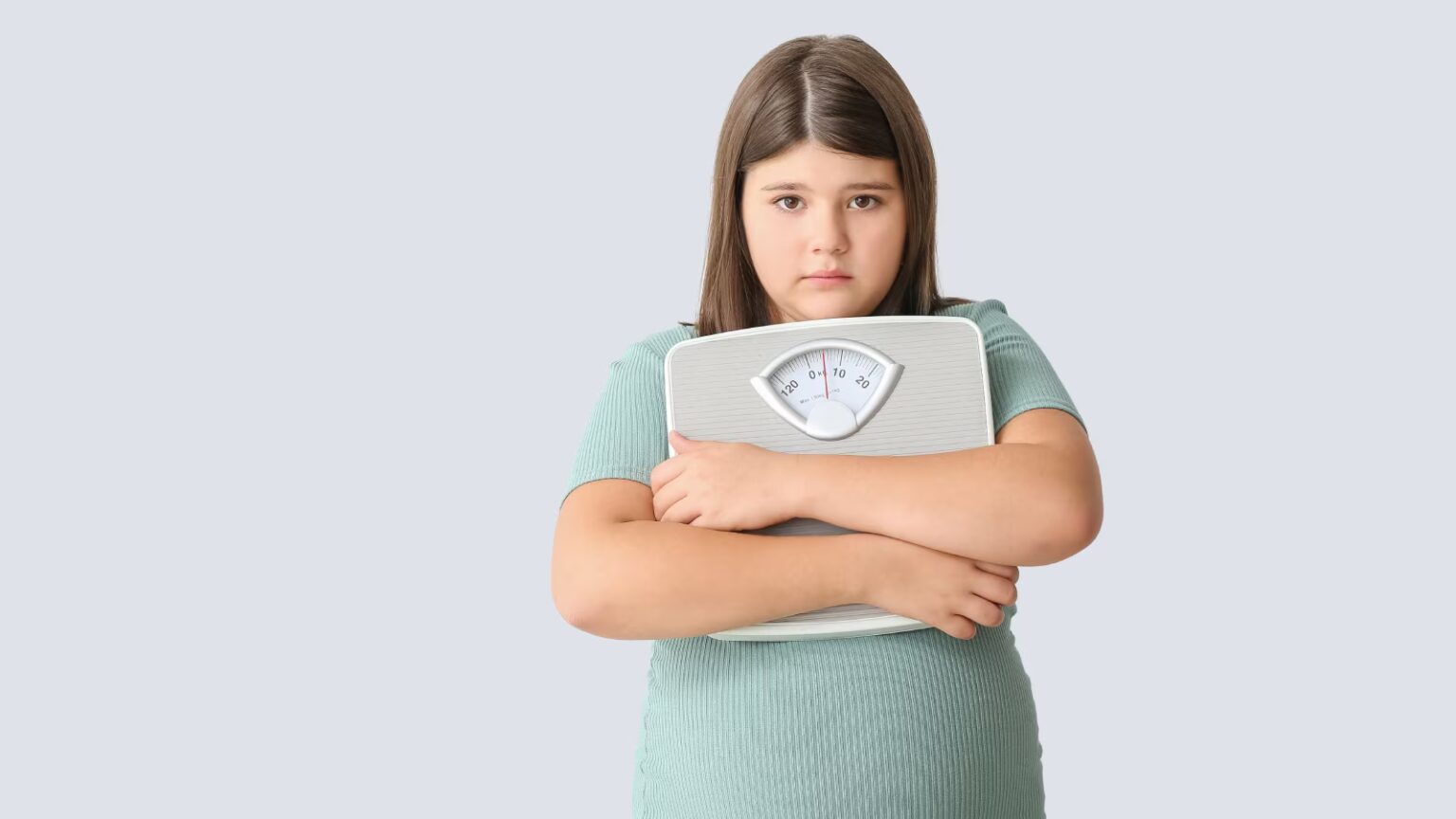
Childhood obesity is rapidly increasing in India due to lifestyle changes such as excessive screen time, poor diet and lack of sleep. Experts explain the main reasons and how parents can prevent it.
Childhood obesity has become one of the most worrying health problems across the world, including India. Over the past decade, the number of overweight or obese children has increased significantly. According to data from the National Family Health Survey (NFHS), obesity among young children and adolescents in India has increased sharply in recent years. Health experts have warned that this trend is worrying because excess weight during childhood can lead to long-term health problems.
Dr. Sanjay Agarwal, an expert on obesity and metabolic diseases, explains that lifestyle changes, poor eating habits, and decreased physical activity are some of the main reasons why this problem is increasing.
Number of childhood obesity increasing in India
Recent data shows how rapidly the problem is growing. According to the National Family Health Survey (NFHS) report, overweight and obesity among children under five increased by 127%, rising from 1.5% in 2005-06 to 3.4% in 2019-21. There is also a noticeable increase in the number of young people.
Overweight and obesity rates among adolescent girls increased by 125 percent, while adolescent boys experienced a sharp increase of 288 percent. Experts estimate that by 2030, more than 27 million children and adolescents in India could be living with obesity, accounting for about 11 percent of global obesity.
Dr. Agarwal says doctors are increasingly seeing children develop health problems that were once seen primarily in adults, such as type 2 diabetes, high blood pressure and early fatty liver disease.
1. Sedentary lifestyle with too much screen time
One of the biggest lifestyle changes affecting children today is excessive screen time. Many children spend a lot of time on smartphones, tablets, video games, and television. This increased use of screens often replaces physical activities such as outdoor play, sports, and exercise. As a result, children burn fewer calories and become more sedentary.
A study published in PLOS One analyzed data from 29,480 adolescents and found that those who watched television or played video games for more than an hour each day were more likely to be overweight or obese. Similarly, a study published in the journal Pediatrics showed that children with more than two hours of daily screen time were at increased risk for weight gain.
2. Unhealthy eating habits and junk food intake
Diet also has a major impact on childhood obesity. Many children today consume high-calorie foods such as sugary drinks, processed snacks, and fast foods more often than they eat home-cooked meals.
These foods are typically high in sugar, unhealthy fats, and calories, but low in essential nutrients. Consuming large amounts of sugar increases insulin levels, which promotes fat storage in the body. Over time, this eating pattern makes it difficult for children to maintain a healthy weight, even if they are moderately active.

3. Sleep deprivation and its effects on weight
Sleep is often ignored when discussing weight management, but it plays an important role in regulating appetite and metabolism. Children who don’t get enough sleep are more likely to experience hormonal changes, leading to increased hunger and cravings for high-calorie foods.
Lack of sleep can also lower energy levels and reduce the amount of physical activity children do during the day. Research shows that sleep deprivation can significantly increase the risk of obesity in children and adolescents.
4. Stress and emotional eating
Modern childhood comes with academic pressures, social expectations, and a competitive environment. These stressors can affect a child’s mental health. Some children cope with stress and anxiety by eating lots of comfort foods, especially those that are high in sugar and fat. This pattern of emotional eating can lead to unhealthy weight gain over time.
Dr. Agarwal explains that childhood weight management goes hand-in-hand with mental well-being and healthy lifestyle habits.
5. Genetics and family lifestyle habits
Genetics can also influence a child’s tendency to gain weight. Some children may be born with slower metabolisms or have a higher genetic risk for obesity. However, genetics alone do not determine the outcome. Family lifestyle habits often have a greater influence. Children tend to mirror their behavior at home, including their food choices, physical activity levels, and screen habits. Parents who prioritize healthy eating, regular exercise, and a balanced lifestyle can have a significant impact on their child’s long-term health.
6. Why early lifestyle changes are important
Childhood obesity is caused by a combination of factors, including sedentary behavior, unhealthy diet, lack of sleep, stress, and genetic influences. The encouraging news is that making early lifestyle changes can make a big difference. Encouraging outdoor play, limiting screen time, preparing balanced meals, and maintaining a regular sleep schedule will help children develop healthier habits.
As Dr. Agarwal emphasizes, early intervention and a supportive family environment are key to preventing obesity and helping children grow into healthier adults.