By using this site, you agree to the Privacy Policy and Terms of Use.
Accept

Fitness Focus Front

Master Your Health, Master Your Future.

  • Home
  • Wellbeing
  • Fitness
  • Diabetes
  • Healthy Eating
  • Weight Loss
  • Intimate Health
  • Mindset
Notification Show More

Fitness Focus Front

Master Your Health, Master Your Future.

  • Home
  • Wellbeing
  • Fitness
  • Diabetes
  • Healthy Eating
  • Weight Loss
  • Intimate Health
  • Mindset
Follow US
Fitness Focus Front > Intimate Health > PCOS: How stress, sleep cycles and desk jobs impact fertility in your 20s and 30s
Intimate Health

PCOS: How stress, sleep cycles and desk jobs impact fertility in your 20s and 30s

March 13, 2026 4 Min Read
Share
4 Min Read
PCOS: How stress, sleep cycles and desk jobs impact fertility in your 20s and 30s
SHARE

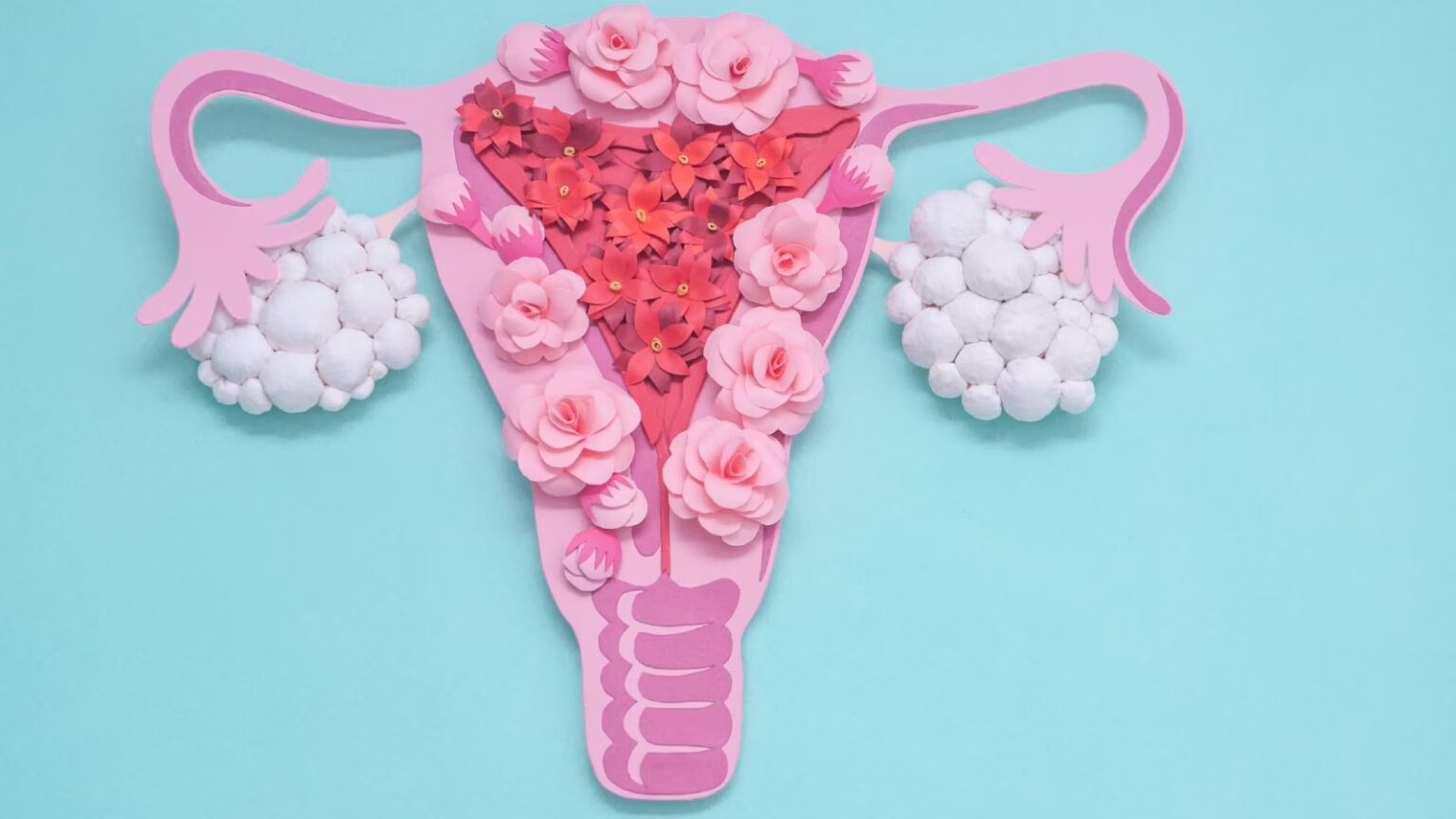
Stress, sleep patterns, and physical inactivity affect fertility in women with PCOS. You can improve your reproductive health by making lifestyle changes.

Polycystic ovary syndrome (PCOS) is no longer an uncommon diagnosis. Over the past decade, an increasing number of women in their 20s and early 30s have been diagnosed with irregular menstrual cycles, weight fluctuations, acne, thinning hair, and difficulty conceiving, all of which are associated with PCOS. Genetics plays a role, but lifestyle factors such as chronic stress, poor sleep patterns, and sedentary desk jobs also influence both hormonal balance and fertility outcomes.

How can I manage stress with PCOS?

Stress is one of the most underrated triggers. When your body is under constant pressure, deadlines, and performance anxiety, it releases cortisol, a major stress hormone. “Continued elevated cortisol disrupts the delicate balance between insulin regulation and reproductive hormones. In women with PCOS who are already prone to insulin resistance, this can worsen ovulation irregularities,” Dr. Shweta Mendiratta, an obstetrician and gynecologist at Faridabad’s Yatar Hospital, told Healthshots. Over time, your cycles become unpredictable, ovulation does not occur regularly, and your fertility naturally decreases.

Sleep cycles are equally important. Today, many young professionals follow irregular sleep schedules, late nights, excessive screen time, night shifts, or inconsistent routines. Sleep deprivation affects the production of melatonin, which interacts directly with reproductive hormones. Sleep deprivation or sleep disturbances also worsen insulin resistance and increase systemic inflammation. Even a few hours of sleep deprivation each night can change your ovulation patterns if it becomes chronic. For women trying to conceive, continuous, restorative sleep is not an option. It’s a biological necessity.

See also  Revive Your Sex Life Post-Menopause with Vibrators

Does being sedentary cause insulin resistance?

Sedentary desk jobs further complicate the problem. Sitting for long periods of time reduces metabolic efficiency. Lack of exercise causes weight gain, and fat in the mid-abdominal region in particular is closely related to insulin resistance. Insulin resistance increases androgen (male hormone) levels in women with PCOS. Elevated androgens inhibit the development of follicles in the ovaries, causing irregular or no ovulation (anovulation). This results in delayed conception, sometimes poor egg quality, and increased dependence on fertility support.

how to deal with infertility
Cope with infertility with the support of your loved ones. Image courtesy: Shutterstock

Another concern is that many women are delaying seeing a doctor. Once you’re in your early 20s, menstrual irregularities are often ignored, thinking they’ll “go away.” However, consistent cycle irregularities are not normal and deserve evaluation. Early diagnosis of PCOS allows for timely lifestyle modifications, correction of metabolism, and control of ovulation, which improves subsequent fertility prospects.

How to cure PCOS with lifestyle?

The reassuring thing is that lifestyle modifications can meaningfully improve outcomes. Losing even 5-10% of body weight in overweight women with PCOS may restore ovulation. Structured physical activity, such as strength training and brisk walking, improves insulin sensitivity. Stress management through yoga, mindfulness practices, or therapy can reduce the burden of cortisol. Most importantly, maintaining a regular sleep schedule of 7 to 8 hours each night will help stabilize your hormonal rhythms.

How much does PCOS affect fertility?

Fertility in your 20s and 30s is influenced not only by your age but also by your metabolic health. PCOS is manageable, but requires early recognition and consistent intervention. As gynecologists, we increasingly emphasize that reproductive health is closely linked to lifestyle patterns. Young women need to understand that their daily habits shape their hormonal future. By making small, consistent changes today, you can improve your ovulation and conception rates, as well as your long-term reproductive health.


See also  How Long After a Pap Smear Should I Abstain?
TAGGED:HygieneIntimate Health
Share This Article
Facebook Twitter Copy Link
Leave a comment Leave a comment

Leave a Reply Cancel reply

Your email address will not be published. Required fields are marked *

Popular Blogs

Michael B. Jordan and Jonathan Majors Look Like Shredded Boxing Stars in "Creed III"
Michael B. Jordan and Jonathan Majors Look Like Shredded Boxing Stars in “Creed III”
February 7, 2026
What’s NEW in January 2026 for The BODi Experience Community!
February 7, 2026
Delicious milk-free oat recipes: Nutritious breakfasts, snacks, and smoothies
February 7, 2026
15 Lean Protein Sources
February 7, 2026
Top Foods That Make You Fart
Top 10 Foods That Make You Fart Uncontrollably
February 7, 2026

You Might Also Like

does a c section affect the baby
Intimate Health

How Caesareans Really Impact You and Your Baby’s Health

By Mofo Bond
Is cloudy vaginal discharge normal? A gynaecologist explains
Intimate Health

Why am I experiencing an increase in vaginal discharge? 8 possible causes

By Mofo Bond
Tuberculosis and infertility: The hidden link every couple should know
Intimate Health

Tuberculosis and infertility: The hidden link every couple should know

By Mofo Bond
frequent urination reasons
Intimate Health

Why Do I Pee So Much?

By Mofo Bond

Topics

  • Wellbeing
  • Fitness
  • Diabetes
  • Healthy Eating
  • Weight Loss
  • Intimate Health
  • Mindset
  • Home
  • Wellbeing
  • Fitness
  • Diabetes
  • Healthy Eating
  • Weight Loss
  • Intimate Health
  • Mindset

Legal Pages

  • About Us
  • Contact Us
  • Disclaimer
  • Privacy Policy
  • Terms of Service
  • About Us
  • Contact Us
  • Disclaimer
  • Privacy Policy
  • Terms of Service

Editor's Choice

The Great Protein Debate: Are We Overdoing Protein?
What Is a Sinus Infection?
The Ultimate Guide to Strength Training Over 50

© 2025 All Rights Reserved | Powered by Mofo bond

Welcome Back!

Sign in to your account

Lost your password?