These physician-recommended superfoods provide gentle nutritional support for menstrual comfort, hormonal balance, and overall gynecological health in daily life.
Many women grow up hearing that eating a healthy diet is good for their bodies, but few realize how deeply their food affects their periods, hormones, vaginal health, and fertility. This missing piece leaves many people unaware of how daily nutrition shapes gynecological health. The truth is, the right foods can secretly help prevent common health problems such as polycystic ovary syndrome (PCOS), painful periods due to infections, and low energy during menstruation. These are not complex materials or restrictive routines. Simple foods that are easy to incorporate into your daily diet and provide real long-term support.
As Dr. Vaishali Sharma shared, these seven everyday superfoods can make a meaningful difference if you’re looking to better manage your reproductive health in a practical and sustainable way.
7 superfoods that support your gynecological health
1. Flaxseed
If your periods are sometimes late and come early the next month, or if you’re worried about PCOS, I think flaxseed can be a gentle, natural help. These help the body process estrogen more smoothly. Just one spoonful of freshly ground flaxseed (not whole seeds) a day can help stabilize your menstrual cycle and reduce premenstrual symptoms.
Directions: Add a spoonful of freshly ground seeds (not whole) to yogurt or salad.
2. Green vegetables
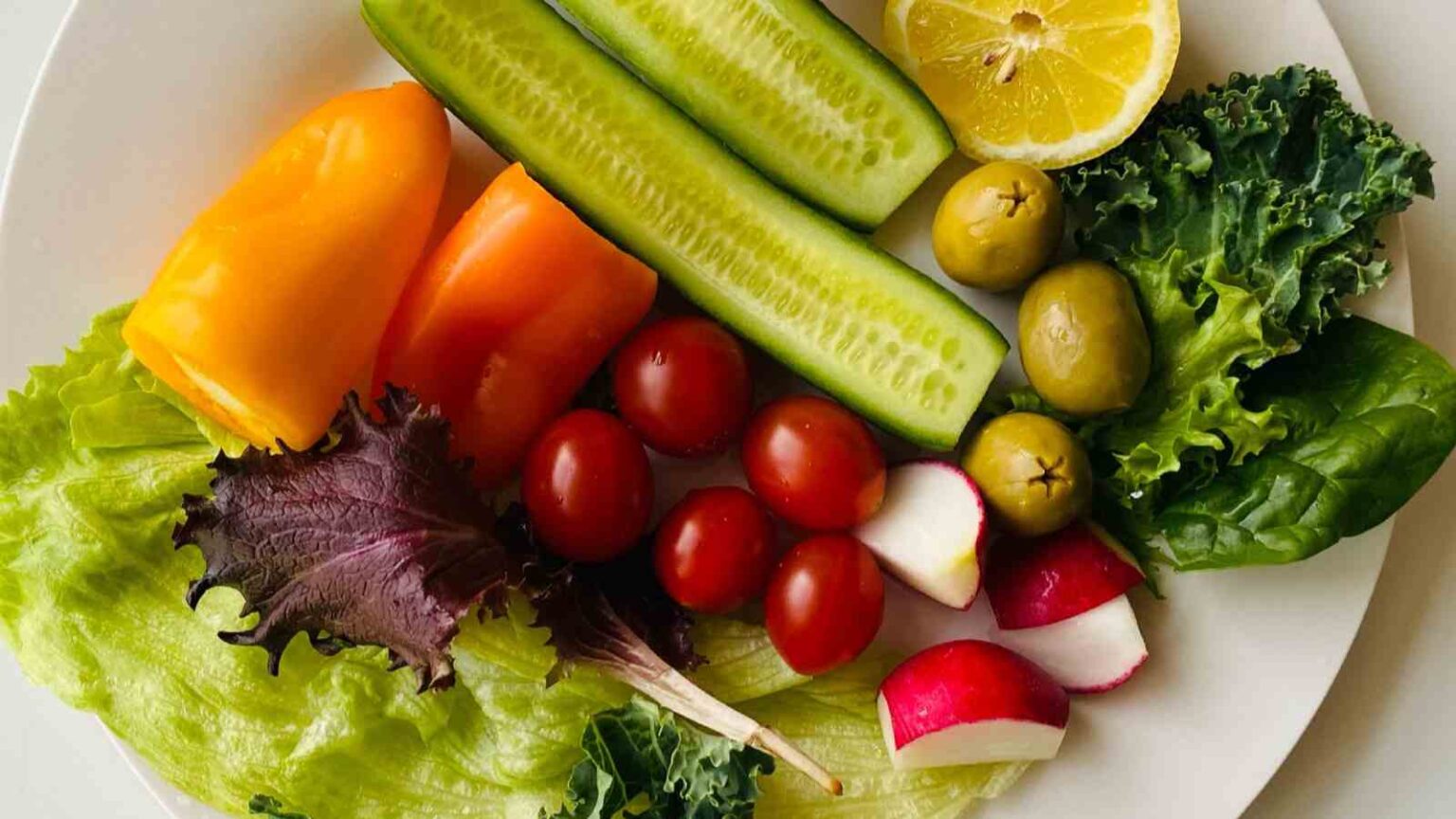
Improves iron levels and supports healthy blood cell counts. Reduces dizziness, hair loss, and fatigue during menstruation. Vegetables like spinach, methi, basua, and kale provide the nutrients your ovaries and blood cell counts really need.
How to use: Mix chopped vegetables with dal or roti for easy consumption.
3. Yogurt and probiotics
Maintains a healthy pH and protects natural flora. Helps prevent recurrent yeast infections and bacterial vaginosis. These support friendly bacteria that naturally protect the vagina, reducing discomfort and odor.
Directions: 1 scoop daily in a small bowl.
4. Turmeric (Haldi)
Helps relieve inflammation and discomfort. It is useful for cramps and pelvic pain caused by endometriosis and uterine fibroids. Turmeric’s active ingredient, curcumin, supports gentle healing from within.
How to use: Add to warm milk or add a little more to your daily dishes.
5. Berry
Protects cells from oxidative stress. Helps with egg health and reduces PMS symptoms such as bloating and mood changes. Try strawberries, blueberries, or blackberries.
How to use: Take pomegranate or amla for similar support.
6. Omega-3 fatty acids
It helps reduce inflammation and relax the uterine muscles. Helps with cramps and inflammation associated with PCOS. Sauces include fatty fish (such as salmon or sardines) and vegetarian options such as walnuts and chia seeds.
7. Nuts and seeds
Replenishes minerals that affect hormonal balance. Helps with mood stability and comfort throughout the cycle. Options include pumpkin seeds, almonds, sesame seeds, and more.
How to use: Keep a small jar at work and snack on a handful of nuts.