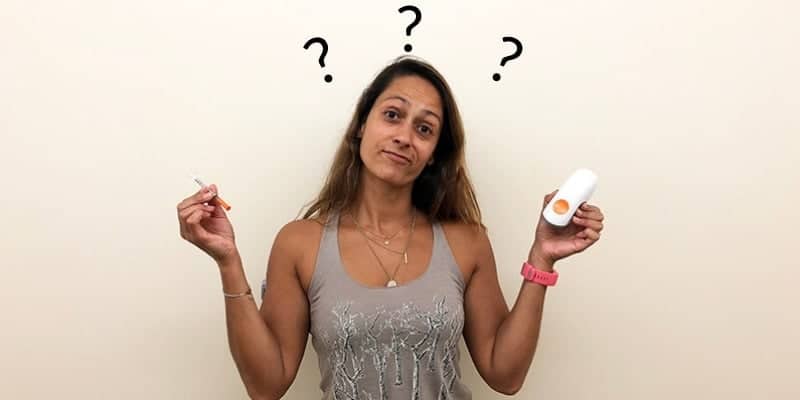
Living with diabetes often means producing “sharp” waste such as needles, syringes, and continuous glucose monitor (CGM) applicators.
This article explains what is considered a sharp object, how to safely dispose of them, and where you can find state-specific disposal rules and local drop-off options. Some cities may also offer a pick-up service.
What is “sharp”?
“Sharps” refers to medical devices with sharp points or edges that can puncture or cut skin, such as needles, syringes, infusion sets, lancets, CGM applicators, and auto-injectors.
Improper disposal of sharps can lead to needle stick injuries and the spread of infectious diseases, so safe disposal is important to protect both individuals and the community.
Millions of people use sharps in non-medical settings, so proper disposal is essential to prevent injury and stay safe.
How to store used sharps at home
Sharps should never be thrown into the trash or recycling, as improper disposal can cause injury.
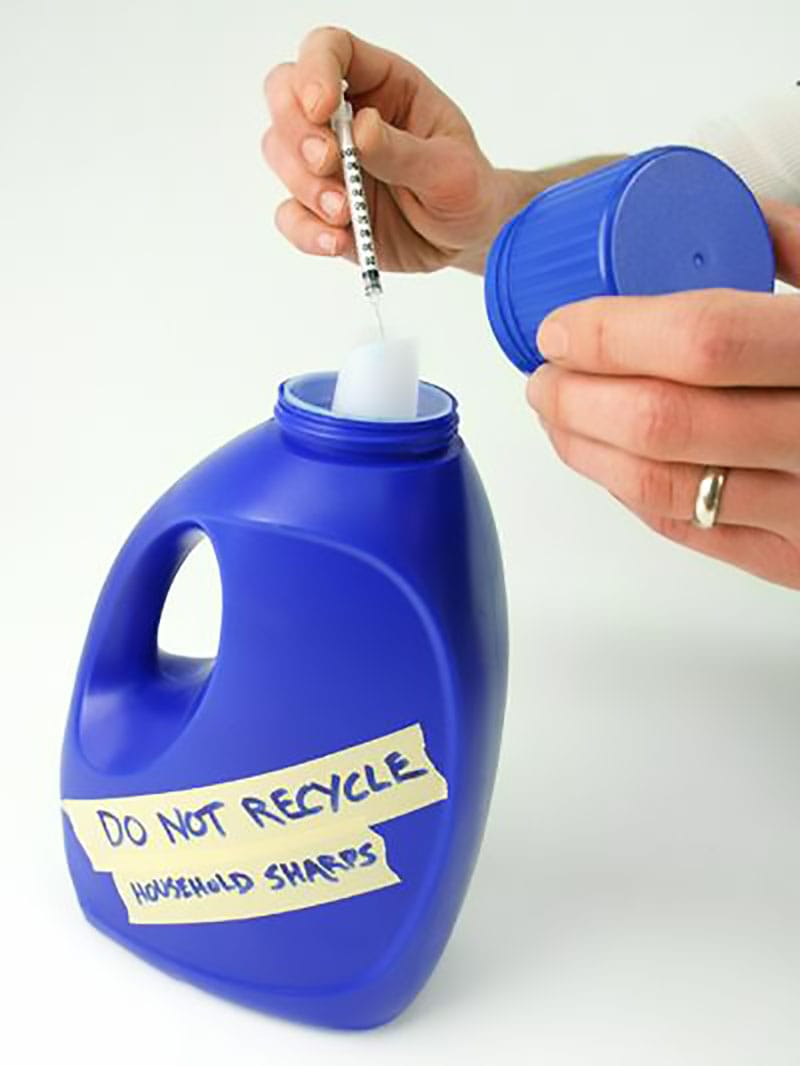
When disposing of insulin needles and other diabetes supplies, we recommend storing them in a sturdy, puncture-resistant container, such as the official sharps containers available at pharmacies and online.
If you don’t want to buy them, you can use thick plastic detergent or bleach bottles, but avoid thin plastic containers like water bottles as they can be punctured by sharp objects.
Additionally, some pharmacies and health care providers provide free sharps containers, so it’s worth asking if you qualify.
For unused or unopened sharps in their original packaging, consider donating them to an organization like World Medical Relief (1-313-866-5333) for use.
When should sharps containers be emptied or thrown away?
Be careful not to overcrowd the sharps container. Once it’s about three-quarters full, seal it up and start making a new one. Many sharps containers have an indicator that lets you know when it’s time to discard them.
How to dispose of sharps containers
In most U.S. states, you can throw away sealed sharps containers in your household trash can (but never in the recycling bin), but it’s illegal to throw away loose needles and syringes.
However, states such as California and Massachusetts and certain regions have stricter rules.
Always check local regulations for approved drop-off locations or available collection services.
Watch this video to learn more about sharps and how to dispose of them.
Was this article helpful? Let us know by clicking Yes or No below.