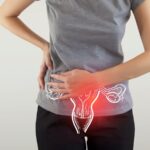
It’s one of those annoying stereotypes about women, but it might be true. “We pee a lot.” At least most of us, and more often than men. There are several reasons why women, on average, urinate more often than men. For example, the arrangement of internal organs (the bladder must share space with the uterus), hormonal fluctuations, and pregnancy.
However, if you find yourself going to the bathroom more often than usual, or if the constant need to urinate becomes inconvenient, there may be other underlying causes. Frequent urinationor polyuria, is a condition in which a person has to urinate an abnormally large number of times each day.
The frequency of peeing varies depending on water intake and general physiology, but the average person typically pees six to eight times in a 24-hour period. If you are urinating significantly more frequently than that, you may be considered frequent urinary.
Reasons why you pee a lot
There can be many reasons for frequent urination. Some of these problems may require medical treatment, while others may be caused by lifestyle changes or medications.
If you experience frequent urination along with other concerning symptoms, or if constant urination affects your quality of life, see your doctor so they can evaluate your condition and address the root of the problem.
Here are some causes of frequent urination.
you are drinking too much water
Staying hydrated is generally a healthy behavior, but if you’re constantly hydrating, your body has to excrete unused water in the form of urine.
How much water you should drink each day depends on your environment and activity level. For example, if you’re constantly exercising in a dry, hot environment, you obviously need to drink more water, but if you find yourself peeing frequently, you may be drinking too much water.
If nighttime trips to the bathroom are affecting your sleep quality, it may be helpful to limit the amount of water you drink before bed.
you are pregnant
Most women have heard this cliché, and there’s a reason for it. Pregnant women tend to urinate more frequently than usual because the expanding uterus puts pressure on the bladder, resulting in more emptying. Don’t worry. This is a normal part of pregnancy and should disappear a few weeks after giving birth.
Intake of diuretics (alcohol, coffee)
Substances such as alcohol and caffeine act as diuretics, flushing out water from your body. Such substances also suppress the production of a hormone in the body called vasopressin. Vasopressin signals the kidneys to release more water into the body instead of sending it directly to the bladder.
To stay hydrated, drink water while enjoying an alcoholic beverage. Caffeine is also a diuretic, but you would need to drink significantly more coffee to have the same effect as alcohol.
Urinary tract infection (UTI)
to 40% of women will develop a urinary tract infection (UTI) at some point in their lives. Urinary tract infections occur when bacteria infect the urinary system, including the urethra, bladder, and kidneys. Signs of a urinary tract infection include frequent urination, a burning sensation when urinating, discolored urine, fever, and feeling like you constantly have to pee.
Diabetes (type I and type II)
Both type I and type II diabetes cause blood sugar levels to rise, causing the kidneys to try to filter them. When you can’t do that completely, sugar gets into your urine, which takes more water out of your body and makes you need to pee more. Frequent urination is common symbols You should discuss this with your doctor as it may be early stage diabetes.
diabetes insipidus
This is not related to type 1 or type 2 diabetes. Diabetes insipidus occurs when the body cannot use or produce enough vasopressin (a hormone that signals the kidneys to release water into the blood). You may feel nausea, fatigue, confusion, and extreme thirst. This condition can be managed with medicine.
kidney stones
Over time, minerals and salts can build up in small stones in the kidneys. When you get kidney stones, it’s common to not be able to pee much even though you have to go all the time. Other symptoms include fever, nausea, chills, and waves of severe pain in your back or side. Please consult your doctor. Stones may be removed naturally or may require surgery.
vaginitis
When your vagina becomes infected and inflamed by bacteria, yeast, medications, viruses, or hormonal changes, you may feel the need to pee more often. Chemical irritants in clothing, sprays, or creams can also cause vaginal irritation. Symptoms include pain and itching when urinating or having intercourse. There may also be an odor or discharge.
certain medicines
Certain medications, such as Adderall (an ADHD drug), are diuretics and can cause you to urinate more frequently.
menopause
During menopause, estrogen levels in your body drop, which can cause you to pee more often. This may be treated with dietary and lifestyle changes or hormone replacement therapy.
constipation
If you’re severely constipated, meaning you haven’t pooped in a while, too much water builds up in your intestines, putting pressure on your bladder and making you feel like you need to pee more often. Additionally, constipation can make this urge even worse by weakening the pelvic floor muscles that control the bladder and bowels.
tumor
If the tumor is near the bladder or urethra, you may experience pain when urinating or may have to urinate more frequently. This is very rare, but if you notice blood in your urine, feel a lump in your lower abdomen, or experience pain when urinating, contact your doctor right away.
painful bladder syndrome
In painful bladder syndrome, you feel the urge to urinate even though you can’t urinate much. Other symptoms include lower abdominal pain that gets worse after sex or urinating.
This condition, also known as interstitial cystitis, tends to occur when bladder tissue becomes swollen and sensitive, but scientists have not identified an acute cause. It may be treated with medications, diet and exercise, surgery, and physical therapy.