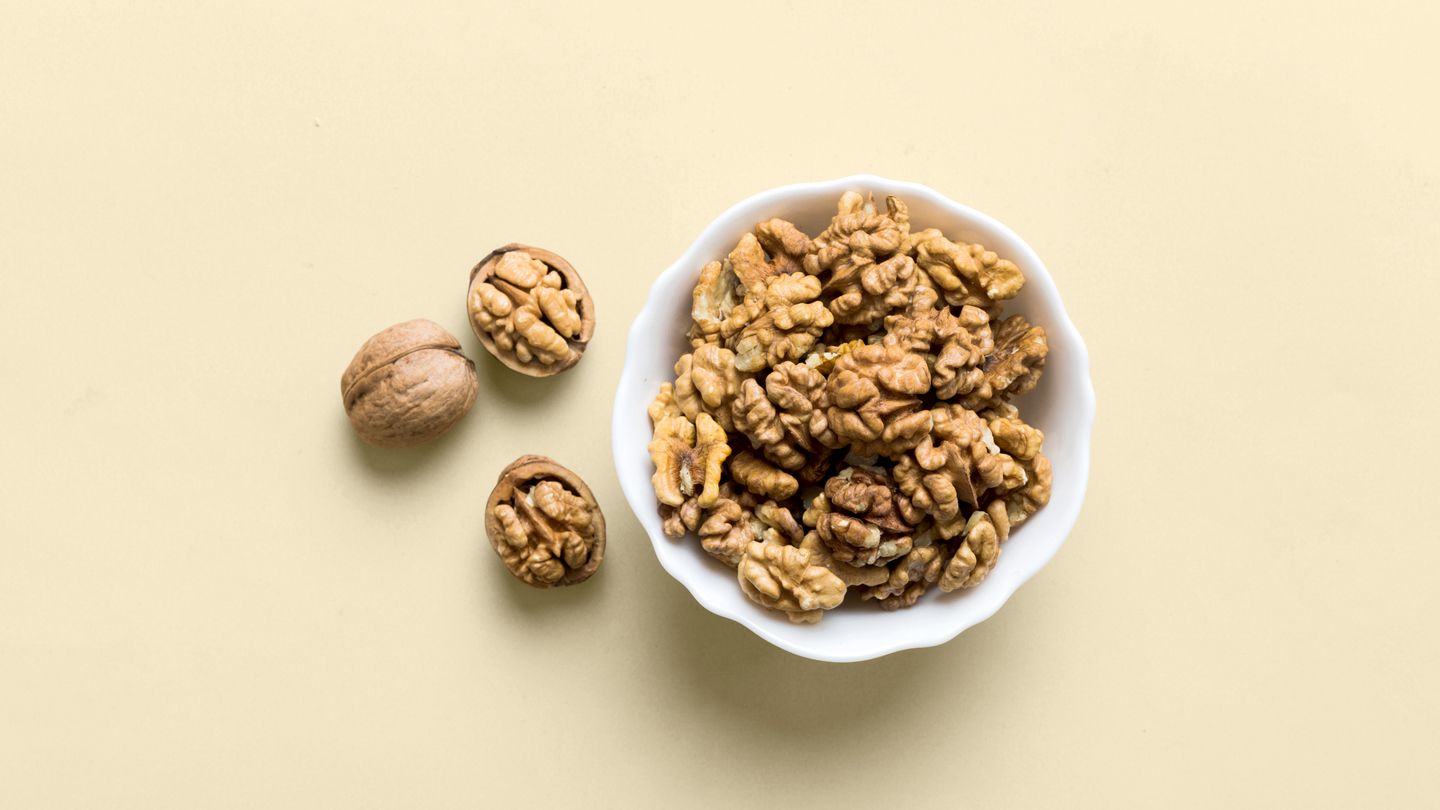
There are many studies that support health claims about walnuts. However, the definition of the specific “dose” associated with benefit is less clear.
“Although there is not enough evidence to recommend a specific intake to prevent specific diseases themselves, based on all the research on the overall health effects of nuts, consuming 1 to 2 ounces of walnuts and other mixed nuts daily is recommended for good health,” says Darish Mozaffarian, MD, director of the Food is Medicine Institute at Tufts University in Medford, Massachusetts.
Substantial evidence suggests that eating nuts daily may benefit cardiovascular and metabolic health, improve cognitive function, and reduce the risk of other diseases.
Walnuts, like other healthy foods, should be part of a balanced, nutritious diet, says Sharon Palmer, author of RDN. A plan to overcome diabetes right away with the power of plants. He is based in Ojai, California. “Incorporating walnuts into a nutritionally balanced diet that includes healthy protein and fat sources, vegetables, fruits, and whole grains is key to reaping these health benefits,” she says, adding that it’s also a good idea to let your doctor know before making any major changes to your diet.
Supports heart health
helps fight inflammation
“Walnuts contain ellagitannins, powerful polyphenols that influence the gut microbiome and reduce inflammation,” Letelny says. The gut microbiome (the community of microorganisms that lives in the gastrointestinal tract) plays many important roles in the body, including supporting immune function (including inflammatory responses), regulating hormones, and absorbing nutrients.
When the intestine metabolizes nutrients from walnuts, including phytochemicals such as pedunculagins (egalitannins), molecules are produced in the process that help reduce inflammation throughout the body, including the colon. A recent small study of 39 participants found that it may reduce the risk of colon cancer. Cancer prevention research.
In another long-term randomized trial of healthy older adults, researchers found that participants who ate 30 to 60 g (1 to 2 ounces) of raw walnuts daily for two years had significantly lower levels of inflammatory markers in their blood than participants who did not eat walnuts. Of the 10 inflammatory markers measured, six, including the pro-inflammatory cytokine interleukin-1β, were reduced by up to about 11.5 percent in the walnut-eating group. The study authors concluded that this may help reduce the likelihood of developing age-related cardiovascular disease.
May support brain health
“The link between eating walnuts and strong brain health has been extensively studied,” Letelny says, noting that the healthy fats (such as ALA) and various other plant compounds in walnuts contribute to this.
May help stabilize blood sugar levels
That said, walnuts are just one component of a blood sugar management plan, Retelney points out, noting that healthy foods often work “synergistically” with other foods.
May help support healthy weight
If you’re looking to lose or maintain weight, adding walnuts to your diet may be a good idea, Mozaffarian says. “Eating nuts does not cause weight gain in most people and may actually help you lose core fat,” he points out.
For example, in a study published in Nutrition, metabolism and cardiovascular diseaseresearchers found that participants who ate nuts, especially walnuts, had better health markers such as BMI, waist circumference, blood pressure, triglycerides, and fasting blood sugar levels.
Again, there are no specific, universal recommendations for how many walnuts you should eat to experience benefits. But Dr. Lungai says a good rule of thumb for most people is to consume about 1 ounce to 1.5 ounces a day as part of a balanced eating plan. Keep in mind that walnuts, like other nuts, are high in calories, so eating too many can put you over your calorie budget.