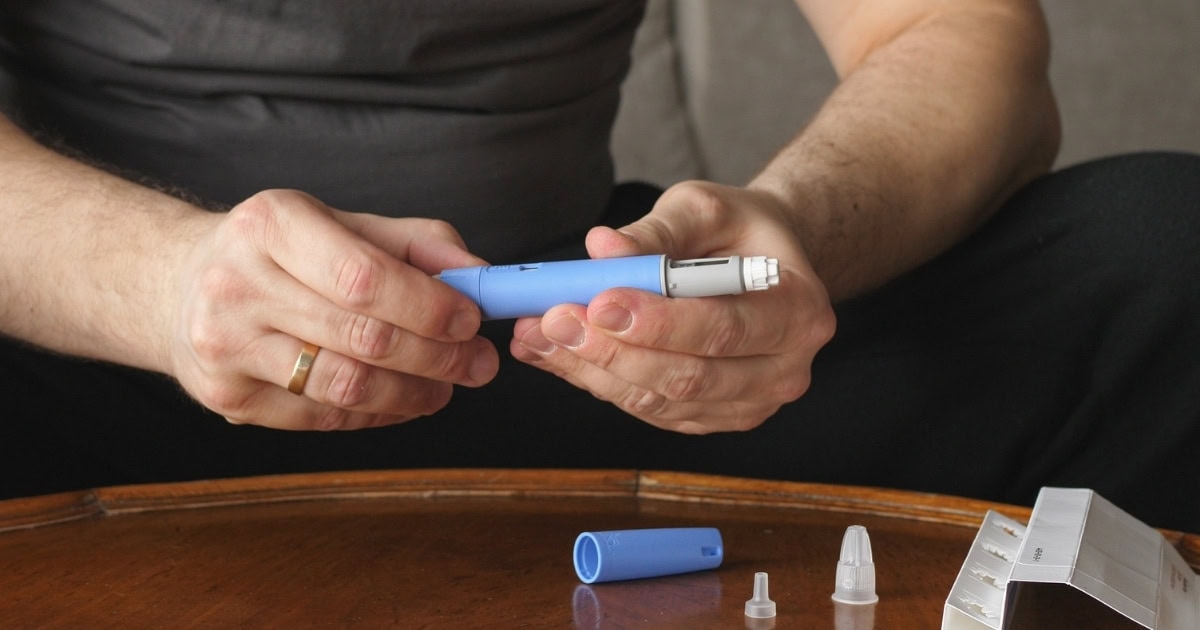
As Ozempic’s popularity grows, so do questions about its uses, benefits, and potential side effects.
We asked endocrinologist Dr. Ann Peters, director of the Clinical Diabetes Program at the Keck School of Medicine of USC, the most common questions about Ozempic from the Diabetes Strong community.
Are Ozempic and Wigovy the same drug? Can I switch between the two?
Ozempic and Wegovy are the same drug (semaglutide), so the answers to the questions below apply to both brands.
Semaglutide works by mimicking the effects of glucagon-like peptide-1 (GLP-1), a hormone that stimulates the pancreas to produce more insulin. More insulin helps sugar enter cells, lowering blood sugar levels.
The main reason semaglutide is effective for weight loss is because it increases satiety and reduces appetite.
Is Ozempic the most effective drug for weight loss?
Semaglutide (Ozempic & Wegovy) is very effective for weight loss, but other options exist.
Studies show that people who take Ozempic experience an average weight loss of 10 to 15 percent.
in comparisonin clinical trials, people who took Tyrezatide (Zepbound and Munjaro) lost an average of 20 percent of their t.Heir’s weight.
Another difference between Ozempic and tyrezatide is that Ozempic is FDA-approved to reduce the risk of heart attack and stroke in people with type 2 diabetes, while tyrezatide is not.
For more information, see Ozempic vs. Munjaro: Which one should you choose?
Do I have to keep taking Ozempic forever, or can I stop taking it once I lose weight and lower my A1c?
You should continue taking the medicine as long as you get good results and there are no side effects. Medications are only effective while you are taking them.
What happens if I stop taking Ozempic?
Always consult your doctor before discontinuing any prescription medication. You should have a plan for gradual dose reduction and other ways to manage the condition being treated with the drug.
How common are Ozempic side effects?
The most common side effects of Ozempic are:
- nausea
- vomiting
- diarrhea
- abdominal pain
- constipation
These common side effects are often seen only during the first few weeks of starting Ozempic and when the dose is increased.
Although rare, serious side effects of Ozempic include:
- thyroid tumor
- pancreatitis
- Changes in vision.
- Hypoglycemia (hypoglycemia).
- Worsening kidney problems and kidney failure.
- Severe allergic reaction.
If you experience side effects from using Ozempic, we encourage you to report them to the FDA through the MedWatch program.
How can I avoid side effects?
Starting at a low dose and increasing gradually can avoid or minimize many of the most common side effects.
Is it possible to have an allergic reaction to Ozempic?
Who should not take Ozempic?
According to Ozempic’s safety information, Ozempic is also not recommended if you are pregnant, under 18 years of age, or have a history of diabetic retinopathy.