By using this site, you agree to the Privacy Policy and Terms of Use.
Accept

Fitness Focus Front

Master Your Health, Master Your Future.

  • Home
  • Wellbeing
  • Fitness
  • Diabetes
  • Healthy Eating
  • Weight Loss
  • Intimate Health
  • Mindset
Notification Show More

Fitness Focus Front

Master Your Health, Master Your Future.

  • Home
  • Wellbeing
  • Fitness
  • Diabetes
  • Healthy Eating
  • Weight Loss
  • Intimate Health
  • Mindset
Follow US
Fitness Focus Front > Diabetes > Your Guide to Breast Reconstruction After Breast Cancer Surgery
Diabetes

Your Guide to Breast Reconstruction After Breast Cancer Surgery

April 11, 2026 4 Min Read
Share
4 Min Read
Your Guide to Breast Reconstruction After Breast Cancer Surgery
SHARE

To reconstruct the breast mound after mastectomy, doctors choose either implant reconstruction or tissue (flap) reconstruction. Which of these surgeries you and your doctor choose will depend on your body type, breast size, and preferences.

implant reconstruction

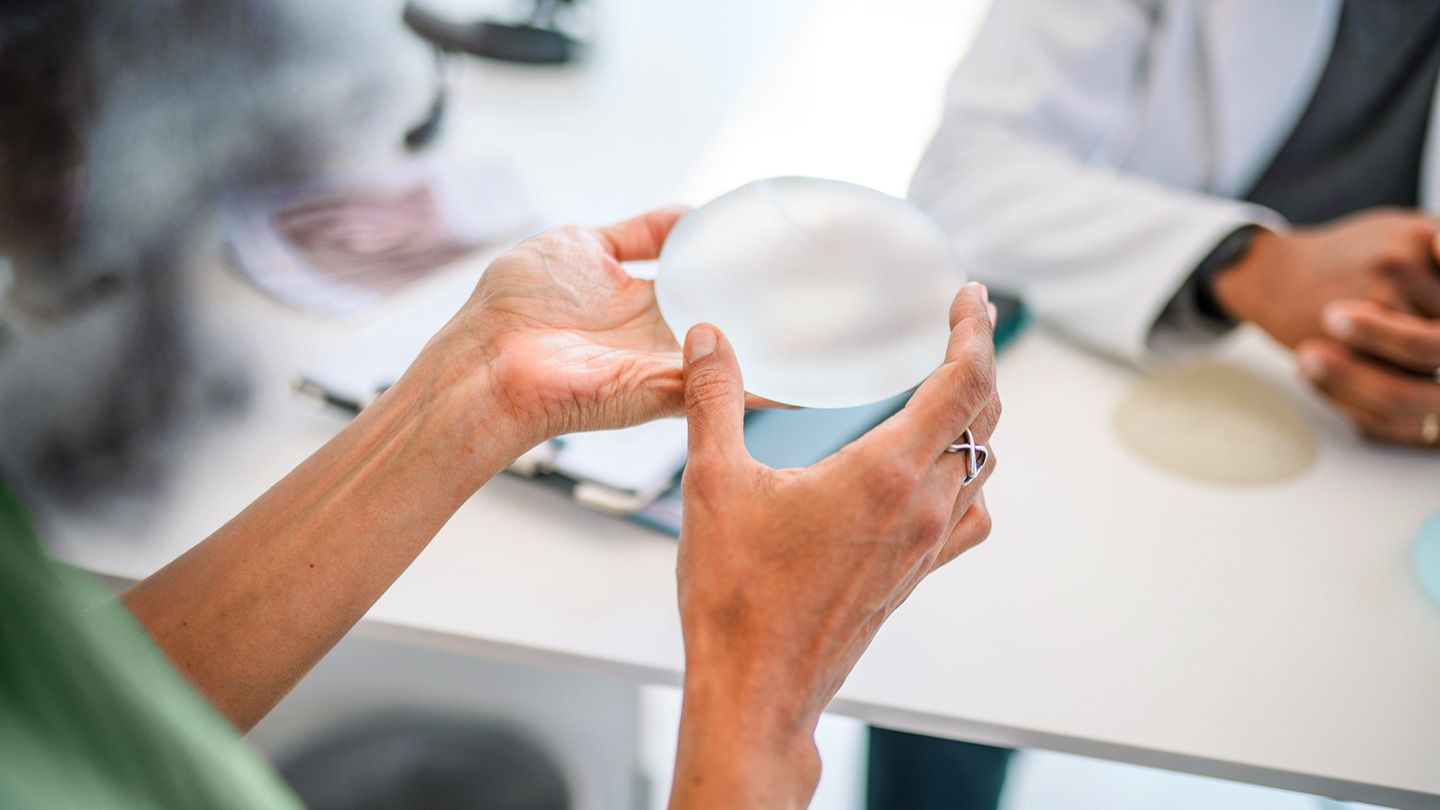
During implant reconstruction, a plastic surgeon uses saline or silicone implants to reconstruct the breast. This is the most common type of breast reconstruction. “The benefits are that it’s easier to recover and doesn’t impair function in other parts of the body,” says Dr. Amy Colwell, a plastic surgeon at Massachusetts Comprehensive Cancer Center in Boston.

Implant reconstruction can also be done at the same time as a mastectomy (called direct-to-implant), but this may not be the ideal method. “The revision rate (additional surgery later) with direct-to-implant is higher than with two-stage surgery,” Butler says. That’s because the skin over the breast can be stressed or damaged during a mastectomy. “Then placing a large implant in that skin pocket puts additional stress on the skin and can lead to complications such as implant extrusion (when the implant breaks through the skin) and infection.”

Instead, this procedure is usually done in stages. First, the surgeon places a tissue expander under the skin during the mastectomy. “We then inflate the tissue expander in the same way you would inflate a balloon in the office every few weeks until the appropriate size is reached. Once the patient reaches the appropriate size, we take the patient back for a minor outpatient procedure, where we remove the tissue expander and place the implant,” says Lyle Leipziger, M.D., chief plastic surgeon at North Shore University Hospital and Long Island Jewish Medical Center in New York.

See also  Are Easter Eggs Safe to Eat?

flap reconstruction

Flap reconstruction uses your own tissue to reconstruct the breast. It is often performed at the same time as a mastectomy. The surgeon removes a section of tissue from the abdomen, back, buttocks, or thigh that has blood vessels attached and connects it to blood vessels in the chest for blood supply.

One of the benefits of flap reconstruction is that it uses your own tissue instead of a foreign implant. “A second, smaller surgery is usually required to adjust the tissue and reshape the breast,” Dr. Colwell says.

Nipple and areola reconstruction

In most cases, a mastectomy allows the surgeon to preserve the skin of the breast and remove only the underlying tissue. “In many cases, it is also possible to preserve the nipple of the breast with a nipple-sparing mastectomy,” Colwell says.

For people who have not had a nipple-sparing mastectomy, the final step in the reconstruction process is to reconstruct the nipple and areola (the colored ring of skin around the nipple). “We create a nipple by creating a small flap of tissue and rotating, twisting, and lifting it to give it a protrusion and roundness,” says Dr. Leipziger.

Years ago, plastic surgeons used skin grafts to recreate areolas. Now, they typically use 3D tattoos, which look so realistic that it’s hard to tell them apart from real nipples or areolas, Leipziger says.


TAGGED:DiabetesDiabetes HealthDiabetes Management
Share This Article
Facebook Twitter Copy Link
Leave a comment Leave a comment

Leave a Reply Cancel reply

Your email address will not be published. Required fields are marked *

Popular Blogs

Why oral sex may help with sleep, stress and connection: A sexologist explains
February 11, 2026
How daily conversations can help prevent suicide: A psychiatrist explains
February 11, 2026
Front Squat vs Back Squat: Muscles Worked, How to, and More
February 12, 2026
Can coffee help you poop if constipated? A gastroenterologist explains the link
February 12, 2026
EMDR Therapy
EMDR Therapy Explained: How It Helps Trauma Survivors Heal Safely
February 12, 2026

You Might Also Like

Who Should Be on Your Tardive Dyskinesia Care Team?
Diabetes

Who Should Be on Your Tardive Dyskinesia Care Team?

By Mofo Bond
Home A1c test kit and the box it came in
Diabetes

How to Measure Your A1c at Home

By Mofo Bond
Type 2 Diabetes
Diabetes

New Kind of Diabetes Drug Helped People Lower Blood Sugar and Lose Almost 40 Pounds

By Mofo Bond
5 Foods to Avoid During Menopause
Diabetes

5 Foods to Avoid During Menopause

By Mofo Bond

Topics

  • Wellbeing
  • Fitness
  • Diabetes
  • Healthy Eating
  • Weight Loss
  • Intimate Health
  • Mindset
  • Home
  • Wellbeing
  • Fitness
  • Diabetes
  • Healthy Eating
  • Weight Loss
  • Intimate Health
  • Mindset

Legal Pages

  • About Us
  • Contact Us
  • Disclaimer
  • Privacy Policy
  • Terms of Service
  • About Us
  • Contact Us
  • Disclaimer
  • Privacy Policy
  • Terms of Service

Editor's Choice

What Is the CICO Diet, and Can It Help You Manage Weight?
The Great Protein Debate: Are We Overdoing Protein?
Which Drinks to Sip and Skip While Fasting

© 2025 All Rights Reserved | Powered by Mofo bond

Welcome Back!

Sign in to your account

Lost your password?