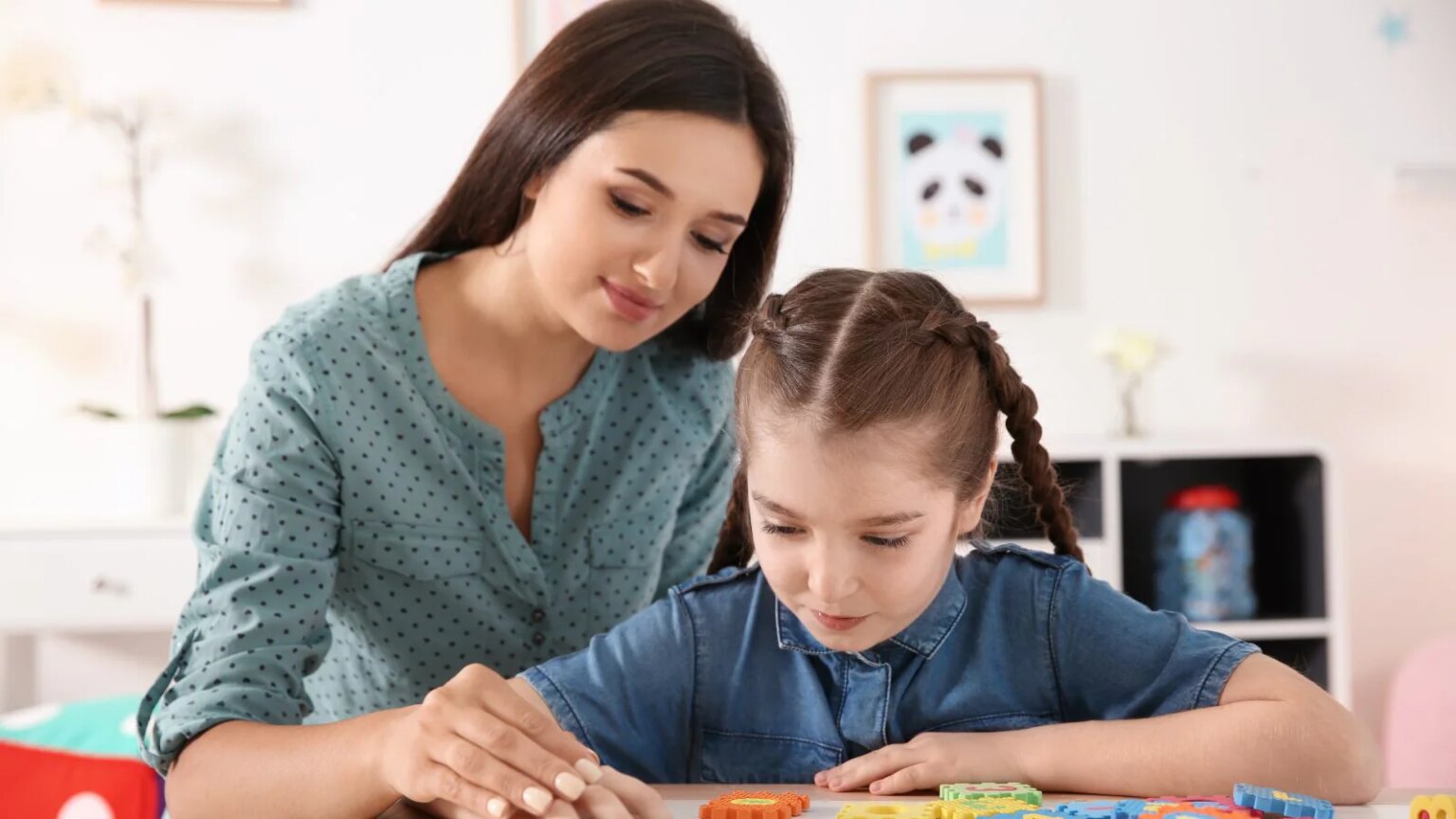
Autism is not caused by a single factor, but is caused by a complex interplay of genetics, brain development, and childhood environment. A neurologist explains the real cause of autism.
Autism spectrum disorder (ASD) is often misunderstood and surrounded by myths and confusion. Although many people still believe that there is a single cause or that it can be fixed, modern science tells a completely different story. Autism is a developmental disorder that affects how a person communicates, interacts, and experiences the world. It exists on a spectrum, meaning each individual may exhibit different symptoms and levels of support needs. On World Autism Awareness Day, let’s understand the real causes of autism and its risk factors.
According to neurologist Dr. Vinaya V. Bhandari, autism is caused by a combination of genetic, neurological, and environmental factors, making each person’s experience unique.
What is Autism Spectrum Disorder?
Autism spectrum disorder is a developmental disorder that affects social communication, behavior, and sensory responses. The term spectrum emphasizes that symptoms can vary widely. Some people need minimal support, while others need more support in daily life.
Children with autism may show signs such as limited eye contact, delayed speech, repetitive behaviors, and hypersensitivity to sounds, textures, and changes in daily routines. Early identification helps with better support and intervention.
The role of genetics in autism
Genetics plays a big role in autism, but it’s not as simple as inheriting a single gene. “Think of it as a complex blueprint,” Dr. Bhandari explains. In most cases, autism is affected by hundreds of small genetic variations that combine to affect brain development. There are also “de novo mutations,” which are naturally occurring genetic changes that occur without any family history. Some rare genetic diseases, such as fragile X syndrome, are associated with autism, but they represent only a minority of cases. Overall, autism is thought to be a “polygenic” condition. This means that multiple genes contribute to its development.
How Autistic Brains Are Wired Differently
One of the most important discoveries in neuroscience is that the autistic brain is not damaged and is wired differently. Research shows that there are differences in the way brain regions communicate. Many autistic people’s brains are highly capable of processing details, but may be less able to connect different areas to gain broader understanding. This is sometimes referred to as the “local processing advantage.”

For example, a person may notice small visual details that others miss, but may find it difficult to interpret facial expressions, tone of voice, or social cues. Dr. Bhandari emphasizes that this difference should be viewed as a variation rather than a defect.
Do environmental factors increase the risk of autism?
Environmental factors can also influence autism, especially during pregnancy. These include maternal health, inflammation, metabolic conditions, and even the advanced age of the parents. However, these factors do not directly cause autism. Instead, they interact with genetic factors and influence brain development in utero.
Early signs of autism in children
Recognizing the early signs of autism can help parents seek timely support. Symptoms commonly seen in young children include:
- avoid eye contact
- does not respond to name
- Limited conversation and repetition of words
- Repetitive movements like flapping your hands
- Sensitivity to sounds, smells, and textures
- get upset about small changes
It is important to be aware because not all children exhibit the same symptoms.
There is no link between vaccines and autism
One of the biggest misconceptions about autism is the link between it and vaccines. Multiple large studies have confirmed that there is no link between vaccines and autism. In fact, the original study that suggested this association was later retracted due to flaws in the study. The US Centers for Disease Control and Prevention (CDC) also states that infant vaccines are unlikely to contribute to the development of autism. Avoiding vaccinations can expose children to serious diseases such as measles and whooping cough.
Risk factors you should know
Several factors can increase the likelihood of autism, including:
- family history
- Male gender (boys are more commonly diagnosed)
- certain genetic conditions
- premature birth
- parents are older
However, these are risk factors, not direct causes.