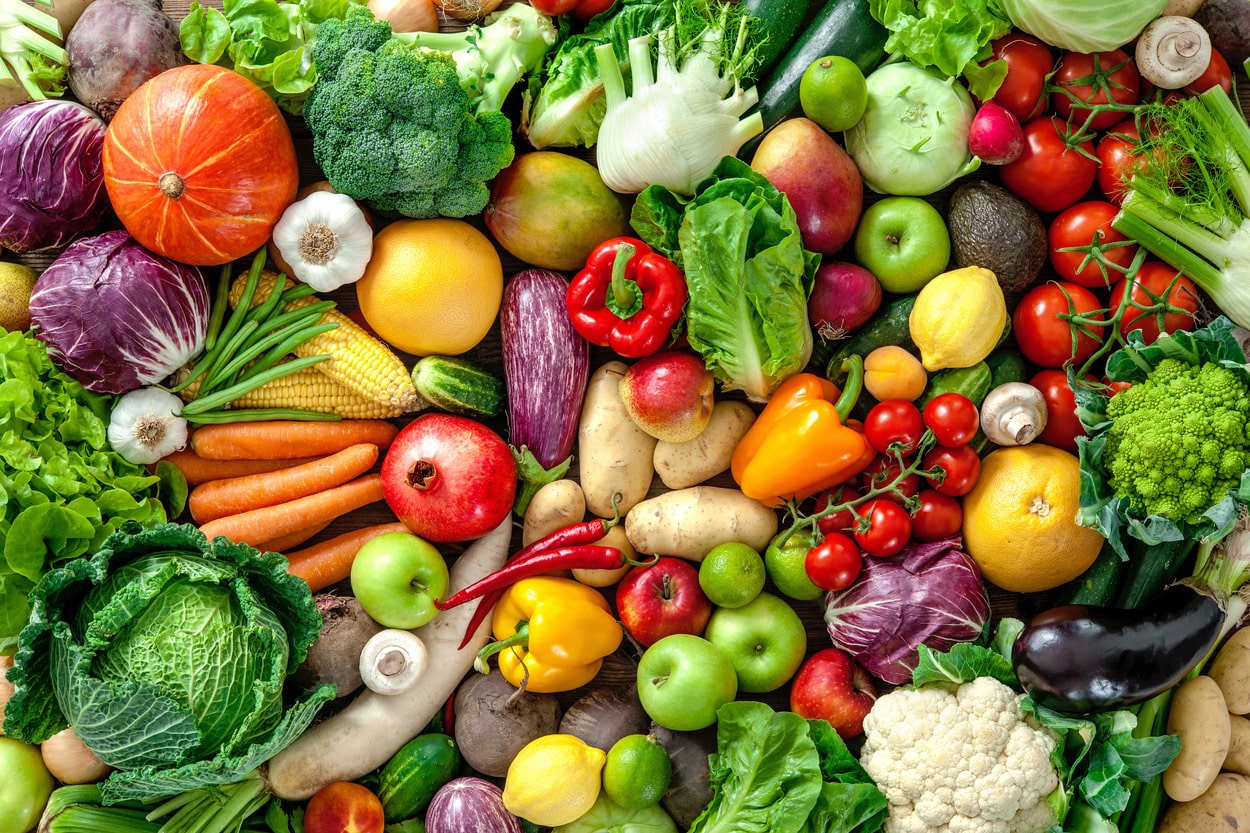
Vegetables are an essential part of our diet. It’s no secret that a meal is incomplete without vegetables. Versatile and easy to prepare, they come in a variety of colors, shapes, and sizes. We know that certain vegetables are good for our health, but we may be less aware of the specific benefits that certain vegetables provide. For example, some vegetables contain nutrients that help with weight loss and are worth adding to our diet.
Choosing the right vegetables for weight loss can be difficult. With hundreds of options, it can be difficult to decide which one to eat. Therefore, in the next section of this article, we will consider the top 20 vegetables that are good for weight loss. This article will also help you find ways to incorporate them into your diet. After all, when it comes to weight loss, it’s important not only to count calories, but also to eat the right foods that nourish the body. So let’s discover the power of vegetables for weight loss.
Here are the top 20 vegetables that nutritionists say are especially helpful for weight loss.
Top 20 vegetables that are good for weight loss
Vegetables are essential to a healthy diet, but did you know that some vegetables can also help you lose weight?Here are 20 vegetables that are good for weight loss and how they work.
1. Spinach
Research shows that spinach is an effective superfood for weight loss. Spinach is a low-calorie vegetable that contains a moderate amount of dietary fiber. As a result, it helps you stay full, improves digestion, and ultimately helps with weight loss. It is low in carbohydrates (3.36 per 100g) but contains dietary fiber. It also contains calcium, carotenoids, vitamins C and K, folic acid, iron, magnesium, potassium, and folic acid. These nutrients not only help you lose weight, but also improve digestion and reduce oxidative stress.
You can add spinach to your meals by making soups, grilled tiki, salads, and juices.
2. Cauliflower
Cauliflower is a vegetable that contains antioxidants, vitamins, minerals, and a good amount of fiber. Additionally, its low carbohydrate content and calories make it an ideal weight loss food. According to the USDA, 100 grams of cauliflower contains only 25 calories. However, eating too much cauliflower can cause bloating and flatulence. Therefore, moderation is key.
3. Mushroom
Mushrooms are low in calories (22 kcal/100g) and low in carbohydrates (3.26g/100g), making them ideal for dieting. It also has anti-obesity properties, and research suggests it supports body fat loss. Additionally, mushrooms are a strong source of protein (3.09g per 100g), making them an excellent supplement to a plant-based diet. Other benefits include lowering cholesterol, providing your body with vitamin D, protecting your brain health, and boosting your digestive health.
4. Bottle Guard (Rookie)
Research shows that bottle gourd is easy to digest and helps you lose weight. Giya, or bottle gourd, is a vegetable that has only 14 calories per 100 grams. Rich in fiber and antioxidants, it helps you feel full and protects you from disease. As a result, giya is one of the best vegetables for weight loss and helps with weight management and gut health.
5. Capsicum
Capsicum, or bell pepper, is a low-calorie vegetable (920 kcal per 100g) that is rich in vitamin C. Studies have shown that the beneficial antioxidants found in chili peppers increase metabolism and aid in fat loss. Vitamin C also regulates stress hormones that lead to overeating. Overeating can cause fat accumulation and hinder weight loss. Therefore, adding capsicum to your diet can help you achieve your weight loss goals.
6. Sweet potato
Sweet potatoes are rich in fiber, vitamins, minerals, and antioxidants, making them a healthy choice. Due to their high water content, sweet potatoes can keep you full for longer, which can help you lose weight. Additionally, in vitro studies have shown that sweet potatoes have a lipolytic effect on fat cells, resulting in fat breakdown/fat burning. Add sweet potatoes to your diet by consuming them as a snack or as an ingredient in salads. Eating 100g of sweet potato will give you 86kcal.
7. Onions
Research shows that onions are great for weight loss. Onions have a low calorie content of 40 kcal/100g and a high water content of 89.1g/100g, making them a great dietary choice for weight loss. Onions also contain potassium and vitamins B and C. The anthocyanins found in onions can help lower the risk of several diseases such as Alzheimer’s disease and Parkinson’s disease. Additionally, onions can help increase bone density, reduce excess blood sugar levels, and maintain bacterial balance in the intestines, immune system, and digestive health. Add onions to your meals as a seasoning or consume them raw in salads.
8. Cucumber
Research shows that cucumbers are the best diet food for weight loss because they are low in calories and fat. Additionally, it has a very high water content, which helps you feel full. Cucumbers contain various nutrients and are a healthy food. Consuming cucumbers as a snack or in a salad is an effective way to add them to your diet.
9. Kale
Kale is low in calories and a good source of essential vitamins like vitamins A and K. Kale helps you lose weight by keeping you full for a long time. This is because the energy density is low. Additionally, consuming kale provides your body with the nutrients it needs. Consume kale raw or cooked with minimal oil to preserve its nutrients.
10. Brussels sprouts
Brussels sprouts are low in calories and nutritious at 43kcal per 100g, making them a suitable food for dieting. It also contains a moderate amount of dietary fiber, so you can feel full and satisfied. Cooked Brussels sprouts are easier to digest than raw ones. You can add Brussels sprouts to your diet to aid in weight loss.
11. Cabbage
Cabbage is a cruciferous vegetable that is low in calories and high in fiber, making it an ideal dietary choice for weight loss. It’s high in fiber, which helps keep you full while keeping your calories in check. Research shows that cabbage also contains phytonutrients that reduce inflammation and fight cancer. 100g of cabbage has 25 calories and 5.8g of total carbohydrates.
12. Iceberg lettuce
Iceberg lettuce is a low calorie, high water content option. Adding lettuce to your meals can significantly increase the amount of food you eat without adding too many calories. It is an excellent option for those looking to lose weight. You can also add it to sandwiches or healthy salads.
13. Broccoli
Broccoli is another cruciferous vegetable that helps with weight loss. That’s because it’s low in calories. Not only is it a great source of nutrients, but it’s also high in fiber, which keeps you feeling full for longer. Broccoli is 90% water and low in fat, making it suitable for dieting. Additionally, it contains many antioxidants that help reduce inflammation. You can enjoy its benefits whether you consume it raw, cooked, or sautéed. Research also shows that adding broccoli to your diet can help you lose weight and promote overall health.
14. Beats
Beets are low in calories, with only 43 calories per 100 grams, making them ideal for weight loss diets. Plus, it’s rich in dietary fiber (2.8g per 100g), which keeps you feeling full for a long time. Research shows that betalains, an antioxidant found in beets, aid in detoxification and promote weight loss by supporting the liver and kidneys. You can add beets to your salads and smoothies to enjoy their benefits.
15. Celery
Celery is also a low-calorie vegetable, with only 14 calories per 100 grams. Contains dietary fiber, which helps keep you full and reduces hunger pangs. Celery is rich in water and electrolytes, which helps keep your body hydrated and reduces bloating, making it a great food for weight loss. A compound called apigenin found in celery has been shown to help burn fat. Add raw or cooked celery to salads, stir-fries, and smoothies.
16. Asparagus
Asparagus is a nutrient-rich vegetable known to promote weight loss. Its high water content makes it an excellent option for people who want to lose weight. Asparagus is also low in calories, making it ideal for dieting. Asparagus can be enjoyed boiled, baked, or roasted.
17. Green beans
Kidney beans are rich in soluble fiber, which fights inflammation that causes abdominal fat accumulation. At just 31 calories per 100 grams, these low-calorie superfoods are a great option for people watching their weight. It is also rich in vitamins A, C, K, folic acid, and potassium. Green beans are versatile. You can add it to salads, soups, stir-fries, or even eat it as a side dish. Studies have shown that consuming green beans reduces the risk of obesity.
18. Chili pepper
Chili peppers, also known as chili peppers, are a great vegetable for weight loss thanks to their capsaicin. Studies have shown that capsaicin promotes fat burning by increasing metabolism and increasing fat burning. In particular, green chili peppers can speed up your metabolism by as much as 50%. That’s because capsaicin activates a receptor called transient receptor potential vanilloid-1 (TRPV1), which regulates energy metabolism and fat storage.
You can add chili pepper to salads, soups, curries and other dishes.
19. Zucchini
Zucchini, also called zucchini, is a delicious vegetable. It is a powerful source of several antioxidants, including vitamin A, especially in cooked form. It is rich in water and dietary fiber, which aids in digestion. It’s low in carbohydrates, which makes it beneficial for diabetics and a great alternative to pasta and noodles (zoodles).
20. Pumpkin
Pumpkin, a nutritious vegetable, can greatly help in weight loss. It contains vitamins A and C, potassium, and fiber, all of which are beneficial to your overall health. Additionally, pumpkin is rich in dietary fiber, which helps in weight loss. That’s because fiber helps reduce hunger and promotes satiety. Try stir-frying it as a side dish or adding it to soups and stews. Pumpkin puree is also a great alternative to high-fat ingredients like cream and butter in recipes. However, be aware that packaged pumpkin puree has added sugar, and aim for fresh or canned puree without added sugar.
summary
The top 20 vegetables that help you lose weight include spinach, cauliflower, mushrooms, gourds, green peppers (green peppers), sweet potatoes, onions, cucumbers, kale, Brussels sprouts, cabbage, lettuce, broccoli, beets, celery, asparagus, green beans, chili peppers, zucchini, and pumpkin. These vegetables are low in calories and nutritious, making them a great dietary choice for weight loss. It also provides other benefits, such as reducing inflammation, regulating stress hormones, and improving digestive health.
mofobond suggestions
If you’re tired of just boiling vegetables to lose weight, try grilling them. Grilled vegetables retain more nutrients and add a smoky flavor that makes them even more appealing. Grill vegetables such as peppers and zucchini with olive oil, herbs, and spices. Grilled vegetables are low in calories, retain fiber, and are delicious, making them ideal for weight loss diets.
last word
Eating vegetables is essential to a healthy diet, and some vegetables can help you lose weight. Additionally, including these vegetables in your diet provides a variety of health benefits. For example, it aids in weight loss, improves digestion, reduces oxidative stress, lowers cholesterol levels, and strengthens immune system function. So, the next time you prepare a meal, consider incorporating some of the vegetables mentioned above to enjoy their many health benefits.
Disclaimer: The purpose of this article is solely to spread knowledge and raise awareness. It is not a substitute for professional medical advice.
Frequently asked questions (FAQ)
Q: Which vegetables are good for weight loss?
Vegetables such as spinach, cauliflower, mushrooms, bottle gourd (lauki), bell peppers, lentils, sweet potatoes, onions, cucumbers, kale, Brussels sprouts, cabbage, iceberg lettuce, broccoli, beets, celery, asparagus, green beans, chili peppers, and pumpkin are good for weight loss.
Q: How can vegetables help with weight loss?
Vegetables are packed with nutrients. It has a high water content and a moderate amount of fiber. Therefore, consuming vegetables can help you feel fuller for longer and reduce your desire to eat. Plus, it’s low in calories.
Q: Are all vegetables equally effective for weight loss?
Not all vegetables are the same. Some are low in calories, while others are high in calories. Additionally, some vegetables increase their water content, which increases the amount you eat more than others. As a result, the effects on weight and overall health are different. Therefore, experts suggest eating a variety of foods to give your body the nutrients it needs to function.
Q: How many vegetables should I eat to lose weight?
Everyone’s needs are different, and each vegetable has a different nutritional content. Therefore, the amount of vegetables you can eat per day varies. However, you can still consume 1-2 bowls of healthy vegetables at every meal to help you lose weight. However, it is best to consult a certified nutritionist to determine the amount that is right for you.
Q: Can I eat unlimited vegetables for weight loss?
No, it is unhealthy to consume anything in unlimited quantities. Vegetables are low in calories, nutritious and high in water, but they should be eaten as needed. However, you can also replace meals with plenty of boiled vegetables as part of a healthy weight loss diet.
Q: Can cooked vegetables help with weight loss?
Indeed, cooked vegetables can greatly help in weight loss. They make food softer, easier to digest, and more delicious. Additionally, cooking vegetables breaks down their cell walls, releasing more nutrients. Therefore, cooked vegetables provide more antioxidants, lycopene, lutein, beta-carotene, and other minerals.
Q: Can vegetables be substituted for other foods for weight loss?
By replacing high-calorie foods with low-calorie vegetables, you may be able to create lower-calorie versions of your favorite dishes. The water and fiber in vegetables adds bulk to the dish, allowing you to eat the same amount of food for fewer calories. However, vegetables alone will not help you lose weight. Instead, a healthy weight loss diet requires a combination of all the nutrients you get from other foods, from carbohydrates to protein.
Q: Will eating only vegetables help me lose weight?
Eating only vegetables can help you lose weight, but experts advise against consuming only vegetables for weight loss. When you follow a vegetable diet, you also miss out on other essential nutrients. Therefore, it is important to have a balanced diet to prevent deficiencies.
Q: Can I consume vegetables in any form for weight loss?
Some cooking methods are not recommended, such as frying, breading, and sauteing. The calorie content of vegetables increases and the nutritional content decreases. Additionally, using high-fat dressings on your salads will significantly increase the fat and calorie content of your dish, derailing your weight loss journey. Try steaming or boiling your vegetables instead. Use low-calorie dressings and add herbs and spices to enhance flavor.
Q: What are some recipes that incorporate vegetables for weight loss?
Delicious vegetable recipes suitable for weight loss include cauliflower and sweet potato curry soup, beetroot salad, spiced pumpkin curry, bajra vegetable khichdi, paneer and capsicum paratha, lettuce wraps with soybean chunks, roasted asparagus with lemon, quinoa and cabbage salad, etc.