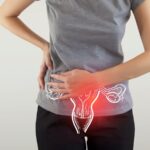
polycystic ovary syndrome It is the most common endocrine disease and is a chronic hormonal condition caused by an imbalance of reproductive hormones.Here are the various factors behind why women with PCOS feel depressed.
insulin resistance
At the clinical level, insulin resistance may be one of the causes. about 70% of women have PCOS I have insulin resistance. Elevated blood sugar levels and insulin resistance are linked to depression, but scientists don’t fully understand why.
2021 stanford medicine Studies have found that people with insulin resistance are twice as likely to develop depression. 2023 study published in biochemistry and biophysics The report also found a link between insulin resistance and promoting neuroinflammation.
Insulin resistance occurs when muscle, fat, and liver cells become unresponsive to insulin, causing blood sugar levels to rise. The pancreas has to produce more insulin to move glucose. The body cannot continue to produce enough insulin and excess sugar is stored as fat.
inflammation and stress
PCOS can often cause inflammation in the body, including high cortisol. increased stress And depression. High cortisol and insulin resistance can both promote weight gainwhich can lead to stress on appearance.
People with PCOS increased androgen levels That can contribute to mood changes. If male hormones remain high for a long period of time, symptoms such as acne and excessive body hair may appear. This can also contribute to stress and depression.
infertility
Many women with PCOS feel depressed about themselves. unable to have children. Infertility treatment is financially burdensome, can worsen depression, and may not be effective. When trying to conceive, the stress on the body can leave a woman physically exhausted.
Additionally, PCOS can increase pregnancy complications and can cause symptoms such as:
- gestational diabetes
- high blood pressure
- preeclampsia
- premature birth
- Cesarean delivery due to hypertension and obesity
Recovering or dealing with this type of complication can cause more stress and depressive symptoms.
PCOS and other health conditions
In addition to depression, studies have found that PCOS is also associated with depression. Obsessive Compulsive Disorder (OCD)bipolar disorder, autism spectrum disorder, eating disorders, and sleep disorders.
Other health conditions associated with PCOS include diabetes, high blood pressure, cardiovascular disease, endometrial hyperplasia, and endometrial cancer.
If you think you have PCOS, or if your doctor is concerned, a pelvic exam, physical exam, blood tests, or ultrasound may be done to help make a diagnosis.
PCOS and depression treatment
Treating PCOS is also important to controlling depression. Although there is currently no cure for PCOS, patients can manage their condition.
contraception and diet
Treatment for PCOS includes: oral contraceptives Eating a more nutritious diet in case of hormonal imbalance or insulin resistance. Although there is not much scientific research linking mood and diet in PCOS patients, some studies have shown that mediterranean dietIt consists of fish, vegetables, and legumes and protects people from symptoms of depression. In a 2023 study published in Scientific Reports, women with PCOS who exercised had fewer symptoms of depression compared to those without PCOS.
treatment
In addition to lifestyle changes, treatment for both PCOS and depression may include talk therapy to discuss the changes you are experiencing from your symptoms and how you are coping.
medicine
Antidepressants are common for depression, but some antidepressants can cause weight gain, which can lead to further negative health effects. Sertraline, a type of SSRI, is commonly prescribed to women with PCOS, but more research is needed into how the drug can treat the side effects of this condition.
Other drugs include metforminusually used for treatment type 2 diabetes However, insulin and blood sugar levels can be regulated and lowered. It has also been shown to improve ovulation and regulate menstruation.
supplement
If you’re looking for a more holistic solution, taking omega-3s like fish oil supplements can help. Leads to improved mood. Acupuncture is known for increase blood flow Reduces the number of ovarian cysts in PCOS patients. It can also be a stress reliever.
Overall, it’s important to find support if you have PCOS. Whether it’s for emotional or physical support, this condition can wreak havoc on the body and mind. If you are suffering from moderate or severe symptoms of PCOS, talk to your health care provider for more information about what to do next and how to find the care you need.