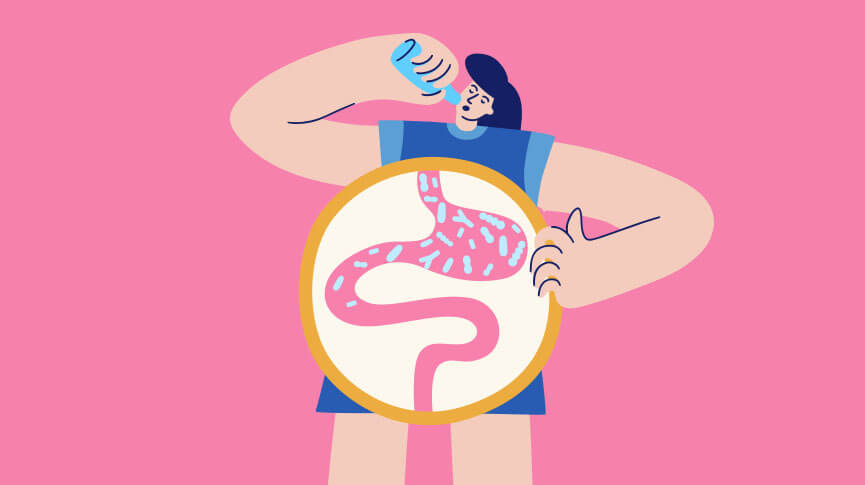
Approximately 100 trillion bacteria live in our stomachs, and they work together to form the gut microbiome. The “good” or “friendly” bacteria that reside in our intestines are known as probiotics. These microorganisms are key to the digestive system, immune function, and nutrient absorption.
As women age, enter their 50s, and reach menopause, a series of subsequent hormonal changes alter the gut microbiome. This article explains how to keep your gut microbiome healthy and what types of probiotics are best for women over 50.
What happens to your intestines when you reach your 50s?
Although more research is needed, researchers have found that women’s gut microbiomes change in their 50s. one April 2022 Review A review of 10 studies on sex hormones, menopause, and gut bacteria showed a decrease in gut bacterial biodiversity after menopause, but it is not yet known whether these changes are definitively good or bad.
In five of these studies, scientists found that postmenopausal women, or women with estrogen levels comparable to postmenopausal women, had reduced gut bacterial diversity. Another three studies showed that postmenopausal women’s gut microbiomes are more similar to men’s gut microbiomes than women who have not yet gone through menopause.
Levels of certain gut bacteria also changed. For example, postmenopausal women Butyricimonas, Dorea, Prevotella, Stellalaand Bacteroides Stock levels are low; Ruminococcus and Firmicutes Bacteria.
in another study A study that analyzed data from more than 1,000 women found that the gut microbiome of postmenopausal women has higher levels of bacteria associated with obesity and inflammation.
Tips for choosing the right probiotic for you
Remember: The best way to maintain a healthy gut microbiome at any age is through a healthy diet rich in plant-based foods, an active lifestyle, and minimal alcohol intake. However, if you’re entering your 50s and looking for additional ways to strengthen your gut health, here are some tips to keep in mind when choosing probiotics.
- The bacterial strain you choose is important. Different probiotic strains offer different health benefits, so you should choose a strain that is clinically proven to be effective for the specific symptoms or problems you are targeting.
- Symptoms or conditions covered: You and your healthcare provider should evaluate the problem or condition you are trying to address for strain-specific health benefits. for example, Saccharomyces boulardii While antibiotics have been shown to be effective for diarrhea associated with traveler’s intestines, they may not be effective for vaginal health.
- Number of CFU: CFU count refers to “colony forming units,” which represent the amount of active, live bacterial cells in a supplement. Remember, more CFU is not necessarily better. Consult your healthcare provider to determine the best dose for you.
- Refrigerated storage and room temperature storage: Be careful how to properly store these live microorganisms so that they do not die and become useless. Always check the label and follow storage instructions.
Best probiotic strains for older women
Lactobacillus rhamnosus
Postmenopausal estrogen depletion can damage the walls of the vaginal canal. thin and drywhich increases the chance of urinary tract infections. Lactobacillus rhamnosus A strain that is proven to support vaginal health and boost the immune system.
Similar to your gut microbiome, your vagina is home to a complex ecosystem of bacteria that needs to be healthy to avoid infections. This bacterial strain helps maintain an optimal balance of bacteria within the vaginal microbiome, reducing the likelihood of common infections such as yeast infections and bacterial vaginosis. It also strengthens the immune response and helps the body defend against various pathogens.
L. reuteri
This is another strain that supports urinary tract health. L. reuteri prevents bad bacteria from adhering to the urinary tract wall, reducing the risk of developing urinary tract infections ( increases after menopause). This strain also has anti-inflammatory properties that balance the increase in gut bacteria associated with inflammation that occurs after menopause.
Bifidobacterium longum
Symptoms like bloating, constipation, and gastrointestinal slowing affect us all. as we grow older It will slow down your system, but particularly prevalent Postmenopausal Women This strain is highly beneficial for digestive health. Bifidobacterium longum regulates intestinal movement and reduces diarrhea and constipation. It also supports nutrient absorption, allowing your body to absorb the maximum amount of nutrients from the foods you consume.
Bifidobacterium bifidum
Decreased amounts of estrogen and progesterone can slow down the digestive process. When food takes longer to pass through the digestive tract, more water is absorbed, leading to constipation. Bigidobacterium bifidum makes digestion more efficient by helping break down complex carbohydrates, proteins, and fats. It also supports the immune system and helps the body fight diseases and infections.
Lactobacillus acidophilus
Another versatile strain that can help maintain a healthy balance of gut bacteria after age 50 is Lactobacillus acidophilus. This strain inhibits harmful bacterial overgrowth and supports a healthy gut microbiome.