Many people with diabetes suffer from high blood sugar levels in the morning, a condition commonly known as the dawn phenomenon (although other factors, such as the Somogyi effect, can also cause morning highs).
This happens due to natural hormonal changes that occur as soon as you wake up. Unfortunately, for diabetics, this phenomenon often results in stubbornly high blood sugar levels.
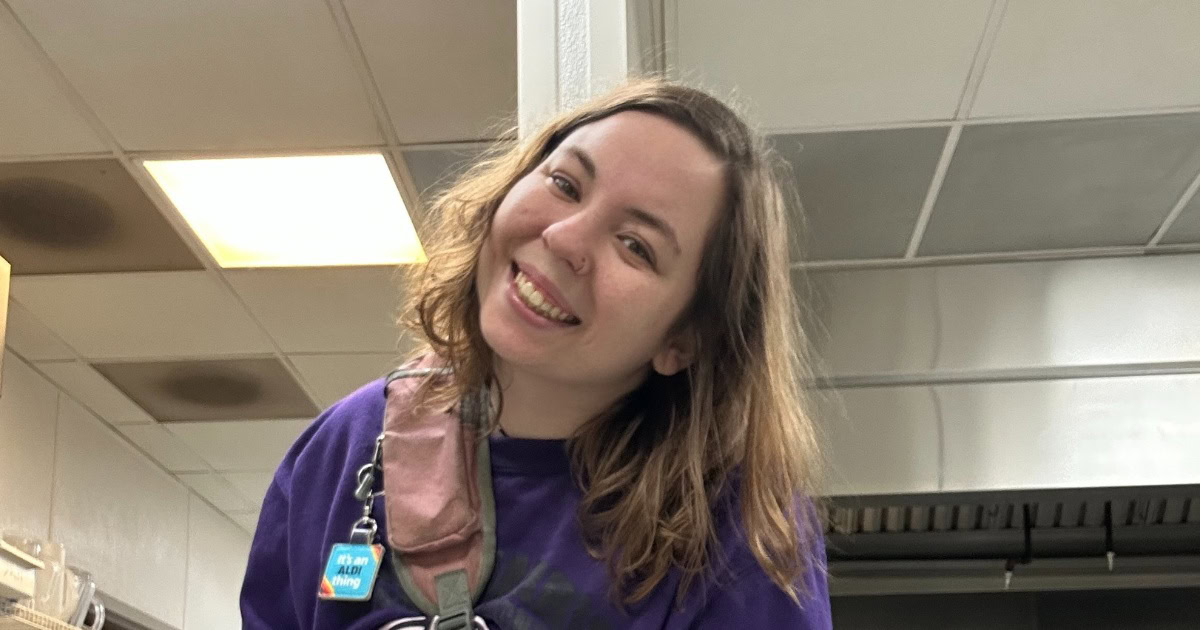
We spoke with Anna Faith Adair, a north Georgia native who has been managing Type 1 diabetes since 2016, to learn more about her experience with high morning fevers and the strategies she employs to alleviate them.
What do you think is the biggest factor behind high blood sugar levels in the morning?
Everyone has high blood sugar levels in the morning for different reasons. For Adair, it depends on a variety of factors.
she says,
How do you manage your insulin therapy to deal with morning blood sugar fluctuations?
Like many people who are just diagnosed, Adair began multiple daily injections to manage her type 1 diabetes. She recalls:
Automated insulin delivery (AID) systems combine an insulin pump with a continuous glucose monitor (CGM) to automatically adjust insulin delivery based on real-time glucose measurements. These systems are particularly effective in managing persistently high blood sugar levels, such as those caused by the dawn phenomenon.
Adair explains the impact of switching to an AID system:
Are there any particular food choices or bedtime routines you do to stabilize your levels?
Adair is careful about the timing and structure of her meals to prevent nighttime blood sugar spikes.
She explains:
What challenges did you face with blood sugar control in the morning and how did you deal with them?
Managing morning blood sugar levels is a big challenge for people with diabetes and often complicates the start of the day. Adair stock,
Additionally, Adair also deals with multiple chronic conditions that can worsen her symptoms.
Were there any particular strategies or technologies that were particularly effective for managing these levels?
Since 2021, Adair has successfully integrated insulin pumps and CGM technology to help manage stubborn high blood sugar levels.
She highlights the benefits of connectivity:
Adair also talks about his experiences using various devices.
Does high blood sugar levels in the morning affect your mood, energy, and daily life?
For Adair, the impact of her morning blood sugar levels on her daily life is profound.
She describes the experience as follows:
What adjustments have you had to make in your daily life to accommodate these levels?
Adair made some important changes to effectively manage her blood sugar levels.
she explains.
Dietary modifications also play an important role. Adair’s memo,
She emphasizes the importance of adaptability in managing diabetes.
What have you learned over time about insulin and your body’s response to food intake?
Managing diabetes is a continuous learning process.
Adair stock,
As Adair moved into adulthood, her approach to diabetes management matured.
How have your management strategies evolved as you learn more about diabetes?
Having access to cutting-edge technology is often out of your control, a reality Adair knows all too well.
What advice would you give to someone who has high blood sugar levels in the morning?
Adair is a strong advocate of technology adoption in diabetes management.
For Adair, leveraging community support was key. “
she suggests.
What do you wish more people understood about blood sugar fluctuations in type 1 diabetes?
Type 1 diabetes is more than just a physical disease. It severely impacts every aspect of life, including mental health. Emphasizing this far-reaching impact, Adair said:
Want to address common misconceptions about managing your morning high?
Adair addresses common misconceptions about the difficulty of managing high blood sugar levels in the morning.
she explains.
Was this article helpful? Let us know by clicking Yes or No below.