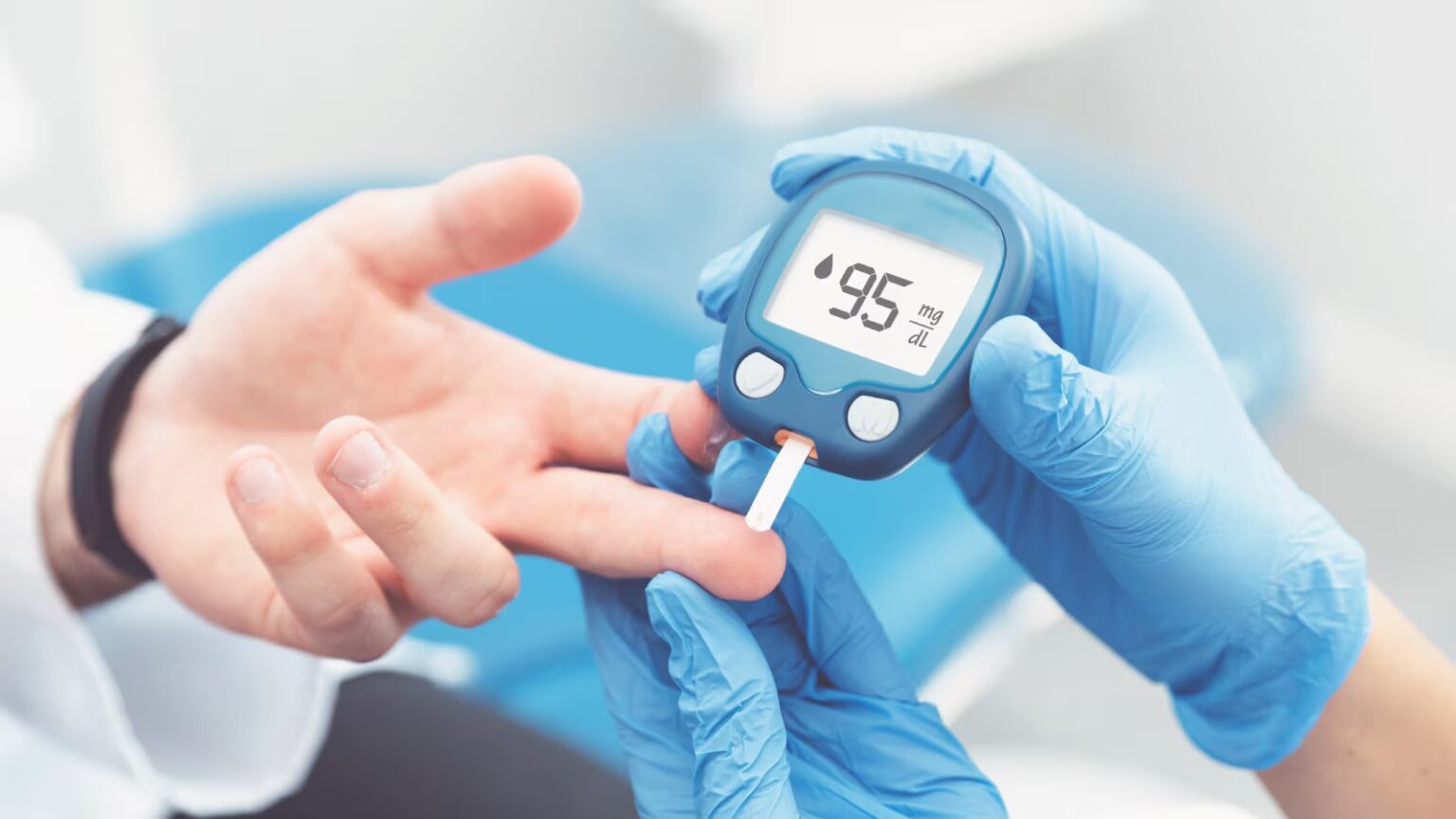
Type 2 diabetes may not be curable, but it can be put into remission with appropriate lifestyle changes. Here’s what this actually means and how to approach it safely.
Type 2 diabetes has quietly become one of the most common lifestyle-related health conditions today, affecting millions of people worldwide. In India alone, approximately 77 million people had diabetes in 2019, and this number is expected to rise to over 134 million by 2045. Even more concerning is that nearly 57 per cent of cases remain undiagnosed. Most cases are type 2 diabetes, which develops slowly over time and is often linked to daily habits such as poor diet, lack of exercise, stress, and weight gain. Many people diagnosed with this disease wonder if it can actually be reversed.
While this idea sounds hopeful, the reality is a little more nuanced. Although it may not be completely curable, many people can bring their blood sugar levels back into a healthy range with appropriate lifestyle changes, consistency, and proper medical support.
What is type 2 diabetes?
Type 2 diabetes is a chronic condition in which the body becomes resistant to insulin or does not produce enough insulin to maintain normal blood sugar levels. Over time, high blood sugar levels can damage vital organs such as the heart, kidneys, eyes, and nerves. It often begins with prediabetes, where blood sugar levels are higher than normal but not yet in the diabetic range. Early recognition is critical as it can progress silently without intervention.
Can type 2 diabetes be reversed?
According to Dr Chetan Dev K, Consultant Endocrinology, SPARSH Hospital, the term ‘reversal’ is often misunderstood. Medically, it is more accurate to call it remission. Remission means blood sugar levels return to normal or near-normal levels without the need for medication for a period of time. However, this does not mean that the disease is completely cured. If healthy habits are not maintained, blood sugar levels can rise again. A study published in the British Medical Journal shows that significant lifestyle changes, especially weight loss, can help some people achieve long-term remission, especially if diabetes is diagnosed early.
How does type 2 diabetes go into remission?
Achieving remission is possible, but it requires consistent effort and a structured approach. Here are some tips:
1. Weight loss
“Losing even 5 to 10 percent of your body weight can significantly improve insulin sensitivity. For many people, losing weight is the most effective step to improving blood sugar control,” explains Dr. Chetan.
2. Eat a balanced diet
A diet rich in whole foods, fiber, lean protein, and controlled carbohydrates plays an important role. Eating a low-calorie diet under your doctor’s guidance may also support remission in some cases.

3. Stay physically active
Regular exercise, such as walking, strength training, and aerobic exercise, helps your body use glucose more efficiently. A study published in BMJ Open Sport & Exercise Medicine shows that continued physical activity improves insulin function and overall metabolism.
4. Manage stress and sleep well
Chronic stress and lack of sleep can disrupt blood sugar levels. Simple practices like mindfulness, good sleep habits, and relaxation techniques can help you feel more in control.
5. Avoid smoking and excessive drinking
These habits can worsen insulin resistance and increase your risk of diabetes-related complications. In some cases, especially in obese people, bariatric surgery or intensive weight management programs may also help achieve remission.
What should people understand about type 2 diabetes?
Type 2 diabetes is not just a symptom; it is a long-term disease. As Dr. Chetan explains, remission is possible, but requires continued discipline and monitoring. You should not only focus on improving your symptoms, but also on maintaining your overall health. Regular check-ups, a consistent lifestyle, and close collaboration with medical professionals are essential to prevent complications.
So, is it possible to reverse type 2 diabetes? There is no permanent cure, but with the right approach, remission can be achieved in some people. The goal should be sustainable, long-term health, not a temporary solution. Small, consistent changes can make a big difference not only in your blood sugar levels but also in your overall quality of life.