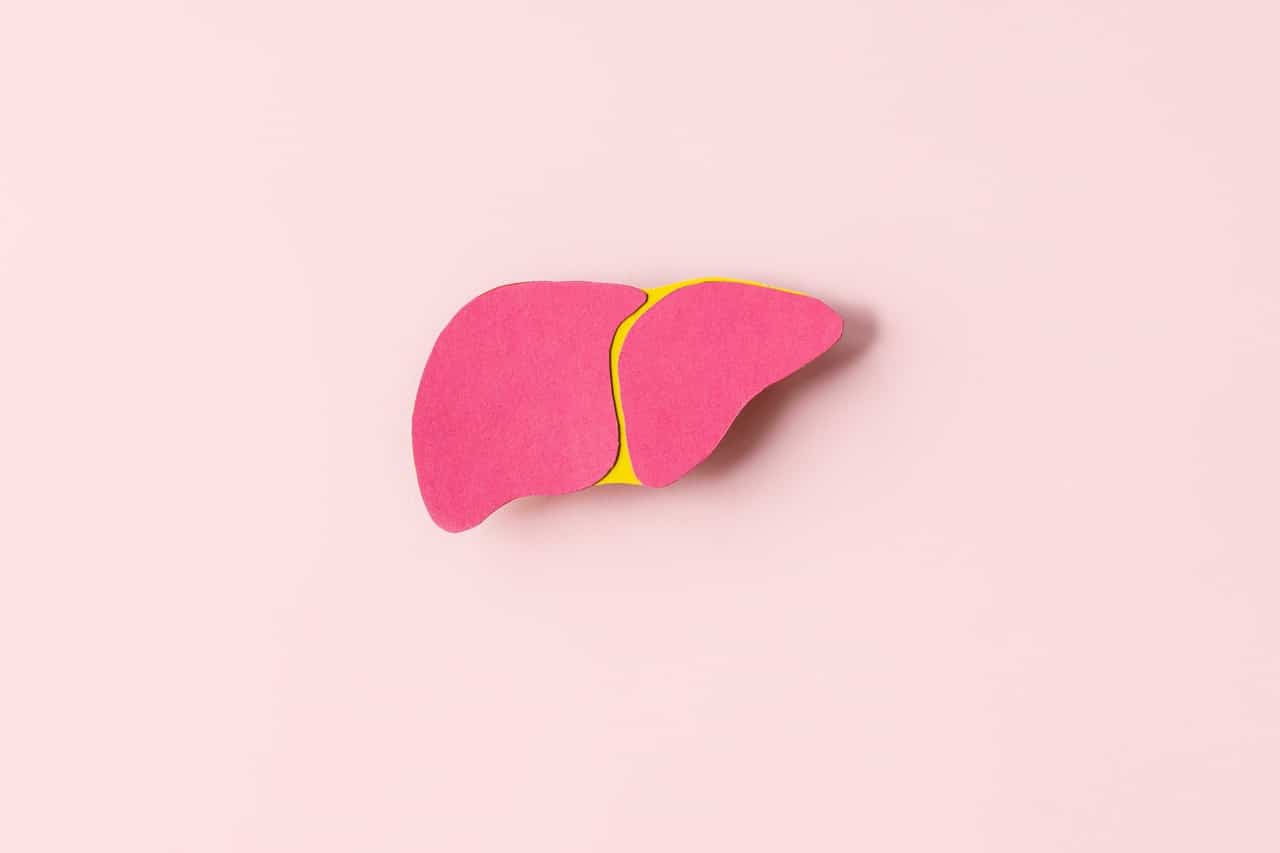
Fatty liver is a condition that occurs when too much fat accumulates within liver cells. It can cause enlargement and inflammation of the liver. In severe cases, fatty liver can lead to cirrhosis and liver failure. Fortunately, fatty liver disease is reversible.
One of the most unique properties of the liver is its ability to heal and regenerate after injury or damage.
With early diagnosis and timely treatment, fatty liver disease can also be completely reversed. However, the type of fatty liver you have will determine how long it will take you to recover from the disease.
There are two types of fatty liver conditions: alcoholic and non-alcoholic, which have different healing timelines and treatment protocols.
Overview of fatty liver disease
Most patients with fatty liver are unaware of their liver problems due to vague and non-specific symptoms, especially in the early stages. Therefore, identifying the type and underlying cause of fatty liver disease is the first step in the recovery process.
Alcoholic fatty liver disease (ALD)
As the name suggests, chronic alcohol consumption or alcohol abuse leads to alcoholic fatty liver disease. This is because enzymes produced in the liver break down alcohol.
Additionally, long-term alcohol causes widespread inflammation and impairs the normal functioning of the liver.
ALD can cause nausea, vomiting, weight loss, jaundice, abdominal discomfort, and alcoholic cirrhosis. Cirrhosis is the formation of scar tissue that can eventually lead to fatal liver failure. Abstaining from alcohol increases your chances of recovery.
Non-alcoholic fatty liver disease (NAFLD)
More comprehensive factors may contribute to non-alcoholic fatty liver disease, including fat accumulation due to improper diet, lack of exercise, genetic susceptibility, and health disorders associated with metabolic syndrome such as obesity and type 2 diabetes.
Nonalcoholic fatty liver disease can be difficult to reverse. This is because there are many potential causes, and no one cause is more or less relevant than another. However, NAFLD patients need to lose weight and improve insulin sensitivity and blood sugar regulation.
The most extreme variation of NAFLD is nonalcoholic steatohepatitis, or NASH. Similar to alcoholic fatty liver disease, NASH increases exposure to cardiovascular disease and increases the risk of death by developing fibrosis (scarring of liver tissue), cirrhosis, liver cancer, or liver failure.
How long does it take to recover from fatty liver disease?
How long it takes for a damaged liver to return to normal depends on your condition, diet, adherence to treatment, age, and genetics.
However, on average, fatty liver disease can be reversed in as little as six weeks. In some cases, fatty liver disease can fully resolve within two months in otherwise healthy people.
Alcoholic hepatitis that progresses from alcoholic fatty liver can be cured if you completely stop drinking alcohol. The recovery period depends on the severity of alcoholism.
It takes at least six months to recover from sobriety. In some cases, a liver transplant may be necessary to effectively reverse or treat the disease.
Anti-inflammatory and cholesterol-lowering drugs may also help you recover in about nine months to a year.
mofobond Notes
The timeline for recovery depends on the type of fatty liver disease, its stage, and whether you suffer from other health conditions. The average time to recover from fatty liver disease is 6 weeks to 2 months. However, lifelong adherence to certain dietary and lifestyle changes may be necessary to prevent recurrence. However, be sure to seek advice from a qualified nutritionist.
How to reverse fatty liver
diet
The Fatty Liver Diet eliminates refined carbohydrates, refined sugar, artificial colors and flavors, and saturated and trans fats.
Instead, choose a diet rich in legumes and low in carbohydrates, consisting of fiber-rich foods such as whole grains, fruits, vegetables, fish, nuts, and seeds. omega 3 fatty acids It has anti-inflammatory properties.
Limiting alcohol intake is also important for reversing alcohol-induced fatty liver disease.
medicine
There are no medications specifically prescribed to treat NAFLD. However, your doctor may suggest some medications or supplements based on your medical condition.
Vaccinations may be necessary to prevent hepatitis A and hepatitis B, which can harm the liver. Additionally, your doctor may recommend getting the flu every year to avoid infections.
When treating fatty liver disease, natural supplements may be better than drugs that increase the burden on the liver, but be sure to consult your doctor before taking any new supplements. You can take in amino acids, turmeric, milk thistle, and vitamin E.
rest
Research has shown that stress worsens inflammation in the body, leading to the negative effects of fatty liver disease. Rest includes getting regular, high-quality sleep and prioritizing stress-reducing activities like yoga in the morning, watching movies with friends, and doing fun things with your kids on the weekends.
Managing your schedule and making time for relaxing activities can help reduce inflammation in your body just as much as taking supplements or medications.
mofobond Notes
Fatty liver disease, both alcoholic and non-alcoholic, is on the rise and can have a significant impact on health, especially in young adults. If not treated promptly, it can lead to liver failure. The liver has a unique ability to heal and regenerate. By avoiding alcohol, eating a balanced diet and exercising, many cases of fatty liver can be completely reversed.
It is wise for people who are overweight or who consume alcohol to have their liver checked regularly, as early symptoms can be very vague. Early treatment and management is the key to reversing fatty liver disease.
conclusion
Reversing fatty liver disease before it causes chronic, irreversible liver damage may prevent potentially deadly health consequences.
Maintaining a healthy liver is very important, even if you don’t currently have problems with liver function. A healthier lifestyle minimizes your risk of future fatty liver disease, improves your overall health, and promotes good health. general happiness. Additionally, it may minimize the risk of developing fatty liver and other obesity-related diseases.
Disclaimer: The purpose of this article is solely to share knowledge and spread awareness. It is not a substitute for professional medical advice.
Frequently asked questions (FAQ)
Q. What are the symptoms of fatty liver?
In the early stages, fatty liver disease has no symptoms or very vague symptoms. As the disease progresses, weight loss, nausea, abdominal distention, enlarged spleen, and jaundice may occur. Fatty liver has little or no external signs. Symptoms may include abdominal swelling, enlarged spleen, and jaundice.
Q. How can I manage fatty liver?
It takes about 4 weeks to 2 months to recover from this condition. The best way to reduce fatty liver disease is to eat a balanced diet, avoid alcohol, exercise regularly, and lose weight.
Q. Can fatty liver be completely cured?
Yes, the liver has an amazing ability to repair itself and fatty liver can be completely cured with the help of a balanced diet and exercise, depending on the severity of the condition.
Q. Are there many types of fatty liver disease?
Yes, there are two types of fatty liver disease: alcoholic fatty liver disease (ALD) and non-alcoholic fatty liver disease (NAFLD). While ALD is caused by excessive alcohol consumption, NAFLD can be caused by a variety of reasons, including genetics, poor diet, obesity, and type 2 diabetes.
Q. What foods should I avoid if I have fatty liver disease?
Fatty liver disease is a serious condition that can progress to fibrosis, cirrhosis, and eventually liver cancer. Avoid refined grains, refined sugar, alcohol, red meat, processed foods, and fried foods
our review process
The entire review process involves a level of screening and evaluation by an efficient group of writers, editors, and certified medical professionals. We are committed to writing parallel, medically supported, evidence-based articles with the aim of establishing long-term healthy lifestyle habits.