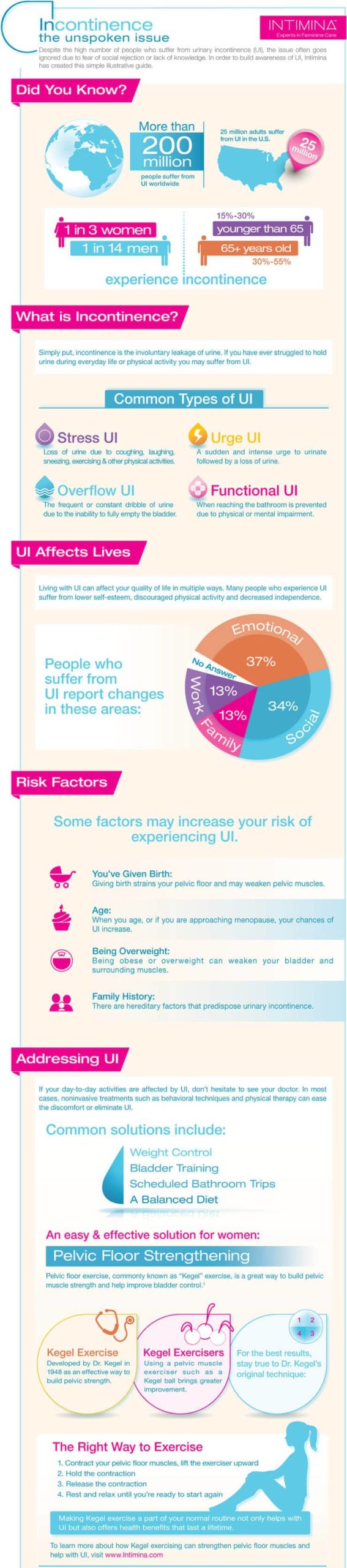
Urinary incontinence is a very common problem and can affect: 200 million people all over the world. On average, 1 in 3 women and 1 in 14 men will experience urinary incontinence at some point in their lives. 15% to 30% of patients are younger than 65 years, and 30% to 55% of patients are older than 65 years.
Despite its prevalence, urinary incontinence still carries a shameful stigma for many people. Understanding how common this condition is, the risk factors behind it, and what you can do to address it is the first step to destigmatizing such a common condition and reducing unnecessary discomfort and shame.
What is incontinence?
urinary incontinenceor UI, refers to loss of bladder control. The severity of this condition ranges from leaking small amounts when laughing or sneezing to having no control over when and where you urinate. There are several types of urinary incontinence, listed below in order of severity.
1. Stress urinary incontinence
Sudden pressure on the bladder can cause urine to leak. This may occur when you laugh too hard, cough, do certain exercises, or lift heavy objects.
2. Urge incontinence
A sudden strong urge to urinate, accompanied by an involuntary release of urine. You may urinate more at night or while sleeping. This type of incontinence can be caused by a minor illness, such as a bladder infection, or a more serious illness, such as diabetes or neurological problems.
3. Functional incontinence
A mental or physical disability prevents you from going to the bathroom in time to relieve yourself. For example, if you have severe arthritis, you may not be able to take off your pants right away.
4. Mixed incontinence
A combination of different types of urinary incontinence. The most common types of mixed incontinence are stress and urge incontinence.
5.Overflow incontinence
The bladder does not empty completely, causing frequent or continuous dribbling of urine.
Although UI is prevalent in the aging population, it is not experienced by all older adults. If you think your UI is affecting your daily life, it’s important to see your doctor as soon as possible to address the problem. In many cases, these symptoms can be alleviated with basic dietary and lifestyle changes or simple medical intervention.
Risk factors for incontinence
sex
Women are significantly more likely to develop stress urinary incontinence due to their anatomy and life events such as menopause, pregnancy, and childbirth. However, men can also experience incontinence for a variety of reasons, including prostate problems.
you gave birth
Postpartum stress urinary incontinence (SUI) affects those around you 33% A woman after giving birth. Pregnancy and childbirth can affect the structure of the pelvic floor, so women who have given birth are at higher risk of developing pelvic floor disease.
year
As we age, the muscles around the bladder and urethra lose tone. Age-related changes can reduce the amount of urine your bladder can hold, increasing your chances of inadvertently passing urine.
being overweight
holds a considerable amount extra weight Pressure on the bladder and surrounding muscles increases, making them weaker and causing urine to leak when sudden pressure is applied, such as when coughing or sneezing.
family history
Certain people may be genetically predisposed to urinary incontinence. People are more likely to develop the disease if they have a close family member who has urinary incontinence, especially urge incontinence at a young age. However, this is just one factor, and just because someone in your family has it doesn’t necessarily mean you have to deal with it.
How incontinence affects your life
Living with incontinence can place a heavy physical and mental burden on patients. You must be constantly alert and may need to wear protective underwear or padding. The constant worry of leaks can be exhausting. Additionally, incontinence can irritate the skin due to constant exposure to moisture, which can lead to infections, rashes, and further discomfort if improperly managed.
Incontinence can also have a serious emotional impact. As children, we are raised to feel shame, embarrassment, and anxiety about incontinence, and these feelings can be exacerbated when incontinence occurs in social situations. This can cause a person to withdraw from social interactions and avoid spending time with loved ones for fear of getting into an accident.
Dealing with urinary incontinence
If you have concerns about UI or think you may have it, it is important to talk to your health care provider. They often help prevent or control symptoms.
If your urinary incontinence is not severe, there are several possible causes. step Your health care professional may recommend ways to control your symptoms. Some lifestyle changes you can make yourself include:
- Timing the amount of liquid you drink
- Restrictions on alcoholic, carbonated and caffeinated beverages
- stay physically active
- maintain a healthy weight
- Avoiding constipation with diet and medications
- no smoking
- Train your bladder by setting a urination schedule or keeping a bladder diary
- Perform pelvic floor muscle exercises regularly
- Practice ways to suppress the urge to urinate. this is called bladder training
Your health care professional may also prescribe additional steps to help with UI, such as:
- prescribe medication to relax the bladder
- Use Botox to relax the bladder and reduce the chance of urine leakage
- Using medical devices such as pessaries and catheters to help with incontinence
- Bulking agents can be injected near the urethral sphincter to bulk up the area around the urethra and close the opening of the bladder to prevent leakage.
- electrical nerve stimulation
- surgery
Find out how Laselle can help prevent incontinence.