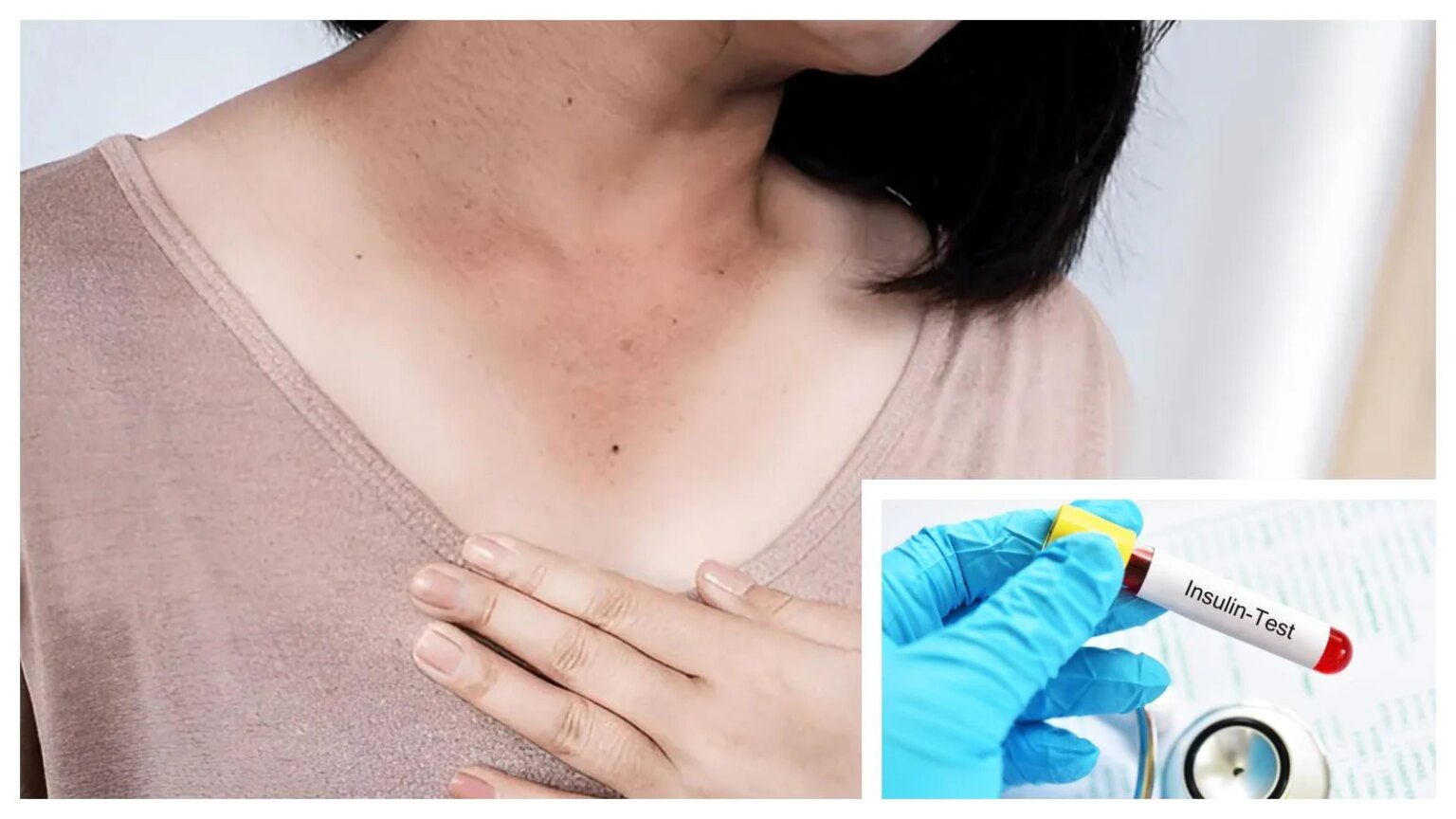
If your child has dark spots on their skin, it may indicate insulin resistance. Why is acanthosis nigricans important? How can it be managed effectively?
Parents often deal with minor health issues in their children, such as scrapes, rashes, and bruises. But have you ever seen black velvety spots on your child’s neck or armpits and thought they were just dirt or sunburn? If so, it’s important to take a closer look. These spots can be a sign of insulin resistance, which can lead to serious health problems such as prediabetes and diabetes.
What is acanthosis nigricans (AN)?
You may have heard of acanthosis nigricans (AN), but you never thought it might be related to your child’s health. “AN usually appears as dark, thickened patches of skin on the back of the neck, in the armpits, or in the folds of the body, such as around the joints,” pediatric endocrinologist Dr. Abhishek Kulkarni told Healthshot. Over time, your skin may become itchy or rough. AN may not seem serious, but it indicates a problem with your body’s metabolism that needs attention.
How can I care for insulin resistance?
Acanthosis nigricans is primarily associated with insulin resistance, obesity, and metabolic syndrome, especially in children and teenagers. It often appears before other symptoms. Research published in journals childhood diabetes have shown that childhood obesity leads to increased insulin resistance and increases the likelihood of developing type 2 diabetes later in life. In fact, approximately one in five children in the United States is considered obese, putting them at increased risk for potential metabolic problems. Journal of Family Medicine and Primary Care.
Insulin is a hormone that helps manage blood sugar levels. “When the body becomes resistant to insulin, high insulin levels can cause overgrowth of skin cells and cause dark spots on the skin,” says Dr. Kulkarni. If insulin resistance is not treated, it can lead to prediabetes, type 2 diabetes, and other long-term heart risks. With childhood obesity rates on the rise, it’s important to recognize and address these warning signs early.
What causes acanthosis nigricans in children?
If you or your child’s doctor thinks they may have acanthosis nigricans, understanding the underlying health problem requires more than just looking at the skin. Doctors usually perform a series of tests, including:

- Blood sugar and fasting insulin levels: Measures how your body processes glucose.
- Lipid profile and liver function tests: To assess metabolic disorders.
- Weight, waist circumference, BMI: Assess your overall health and risk factors.
These assessments help determine how well your body is using insulin. It can also indicate whether you need lifestyle changes or medical assistance.
How to deal with acanthosis nigricans?
Managing this condition primarily involves addressing the metabolic issues that are causing it. According to pediatric endocrinologists, the key strategies are:
- Weight management and balanced nutrition: Eat a diet rich in whole foods, fruits, vegetables, whole grains, lean proteins, and healthy fats. Research published in American Journal of Clinical Nutrition This study shows that even small amounts of weight loss can improve insulin sensitivity.
- Increased physical activity: If your child is spending more time on screens than playing outside, consider setting a daily exercise goal. of Centers for Disease Control and Prevention The (CDC) states that children need at least 60 minutes of physical activity each day. This can improve your health.
- Adequate sleep: Sleep is an important part of your child’s health. Getting enough sleep can help your body use insulin better.
- Reduce stress: Chronic stress can change hormone levels, including insulin levels. “Teach your child mindfulness practices like yoga and meditation to help them relax,” the doctor says.
If lifestyle changes are not enough, your doctor may recommend drugs to reduce insulin resistance. “Once metabolic issues are addressed, skin care treatments such as topical medications and laser therapy may be helpful,” says Dr. Abhishek.