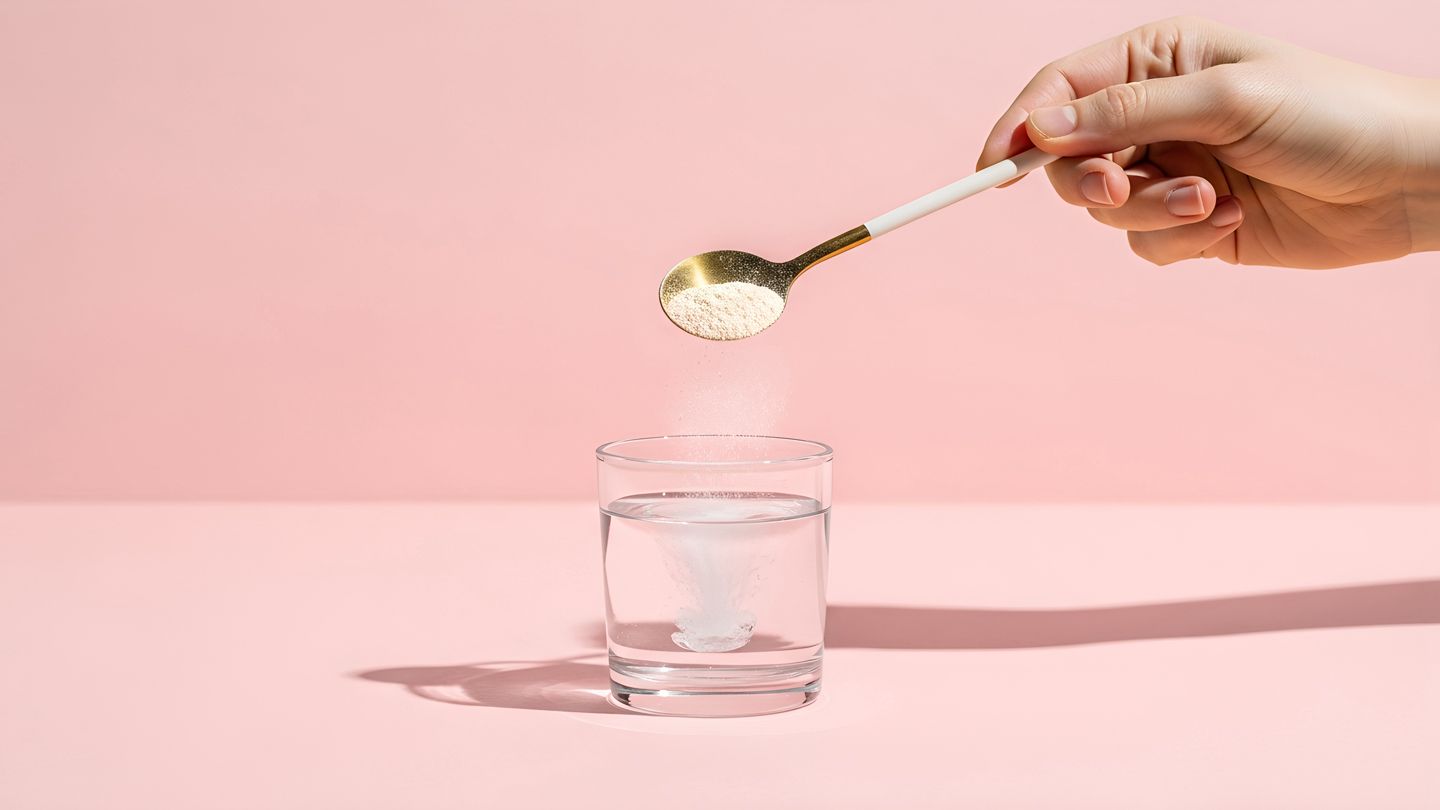
You probably know you should drink more water, but it can be difficult if you think that drink is boring. To beat the hydration slump, social media users are promoting “stacked waters” packed with fruit, electrolytes and supplements.
TikTok videos tagged with #stackedwater or #loadedwater provide a variety of ideas. A recent “Stacked Water of the Day” by @itsjeffreyshouse (who credits this trend for starting it): Dragonfruit Pineapple Stacked Water. Contains frozen pink dragon fruit, fresh pineapple, lemon juice, and three supplement powders (collagen, creatine, and electrolytes), all topped with sparkling water.
Stacking water may “make hydration more interesting and productive,” says Vanessa Lysette, RD, dietitian and co-founder of Culina Health.
“I can see why it’s so popular,” she says. “But at the end of the day, water doesn’t need to have any special effects. Most people don’t need water to be in a supplement cocktail to get that effect.”
What is sedimented water?
According to @itsjeffreyshouse, stacked water is infinitely customizable “water with benefits.”
Social media users often start making stacked water by mixing fruit purees and juices for flavor. Next, mix various supplements into the water, such as:
- creatinea type of amino acid (or protein building block) that may increase muscle strength and athletic performance
- collagena type of protein thought to support skin and brain health
- probioticsbeneficial bacteria that may support gut health
- electrolyteminerals that can support hydration.
- fibera nutrient that has many health benefits, including maintaining a regular lifestyle.
- vitamin Cvitamins and antioxidants that support cellular health and immunity
Some stacked waters are made with specific health goals in mind. One TikTok user, esthetician @7cristinarenee, shared a recipe for Road Skin Water, which contains electrolytes, minerals, and antioxidants that “support your skin from the inside out.”
Is standing water good for your health?
“If adding a flavor or mix-in makes hydration easier or more enjoyable, it’s a success,” says nutritionist and food blogger Katherine Rosenthal, RDN. “For many people, plain water can be boring.”
So stacking water may help some people increase their water intake, she says.
But claims of additional benefits, such as boosting your metabolism, aren’t well supported by evidence, says Megan Ormsby, RD, an intuitive eating and wellness travel expert at Nutrition Travel Exchange.
Adding whole foods like herbs, fruit, and coconut water are usually harmless because they’re “more balanced, less processed, and more in line with how we naturally get nutrients,” Ormsby says.
But supplements don’t always give you the results you want, says Lysette. Instead, you may end up adding “a lot of stuff that you might not actually need.”
For example, electrolyte powders typically contain sodium (salt) and other minerals. Lysette says consuming too many electrolytes when you’re not sweating much can lead to excessive salt intake. It can also disrupt the body’s fluid balance, Ormsby added.
Ormsby says consuming too much fiber too quickly (like adding chia seeds or psyllium husk to your water) can cause gastrointestinal problems. Ingesting large amounts of vitamin C can put a strain on your stomach.
Some supplements can also interfere with drug absorption or effectiveness, Ormsby added.
“The bigger problem is that people are stacking products on top of each other without considering the total intake,” says Lysette.
More is not always better, Rosenthal added. “Supplements can be helpful, but you can’t go beyond the basics of eating a balanced diet, getting quality sleep, exercising, and taking care of your mental health.”
Is stacked water worth paying for?
“Before you spend money on supplements, zoom out,” says Rosenthal. “Overall habits are much more important. You can’t make up for a lifestyle that lacks the basics.”
Ormsby said supplements can be expensive and often don’t provide “meaningful additional benefit” for most people. “Hydration doesn’t have to be complicated or expensive to be effective.”
If you’re simply looking to increase hydration, “there’s no need to throw in a $40 powder,” Lysette says.
she added: Problems with energy levels, digestion, and workout recovery “are not something you can solve by putting something in a water bottle.””
Instead, you may need to see a doctor.
If you want to try supplements, Ormsby says, keep in mind that unlike medications, they are not regulated by the U.S. Food and Drug Administration. Also, pay attention to your total daily intake.
Conclusion of accumulated water
Ormsby says stacking your water can help you drink more water, and she recommends it if you’re careful about what you add, especially if it includes mint, fresh fruit, or cucumber.
But taking supplements isn’t usually necessary and is “definitely not a shortcut to improving your health,” says Lysette.
“Rather, I keep it simple. I drink water first, and maybe add fruit or electrolytes when I obviously need it, like after a hard workout,” she says. “Otherwise, you’re solving a problem that doesn’t really exist.”