3. Representative
Treating non-small cell lung cancer is just one of many daily responsibilities. Don’t try to do everything yourself. “It helps if you have a social support network around you,” Habib says.
Delegate work to your partner, family, or friends to give yourself time to rest. Ask someone to cook for you, pick up your kids from school, or drive them home or to activities.
If you don’t have enough helpers, use paid services like grocery or meal delivery. Look for free or low-cost programs in your community. “Talk to the social worker at the cancer center where you are being treated,” suggests Habib. “They can find many resources to help you accomplish your daily tasks.”
4. Divide and conquer
Break down large tasks into smaller, more manageable chunks. Clean the kitchen counters, but save mopping the floors for another day. Wash one load of laundry at a time. Half the list is grocery stores. Divide your bill into smaller piles and pay each pile on a separate day.
Start when your energy levels are highest and do the most important things first. Balance activity and rest by taking breaks between chores. Or take a 10-15 minute nap. “A power nap will give you a boost of energy so you can do the tasks you need to do later in the day,” says Habib.
5. Streamline your tasks
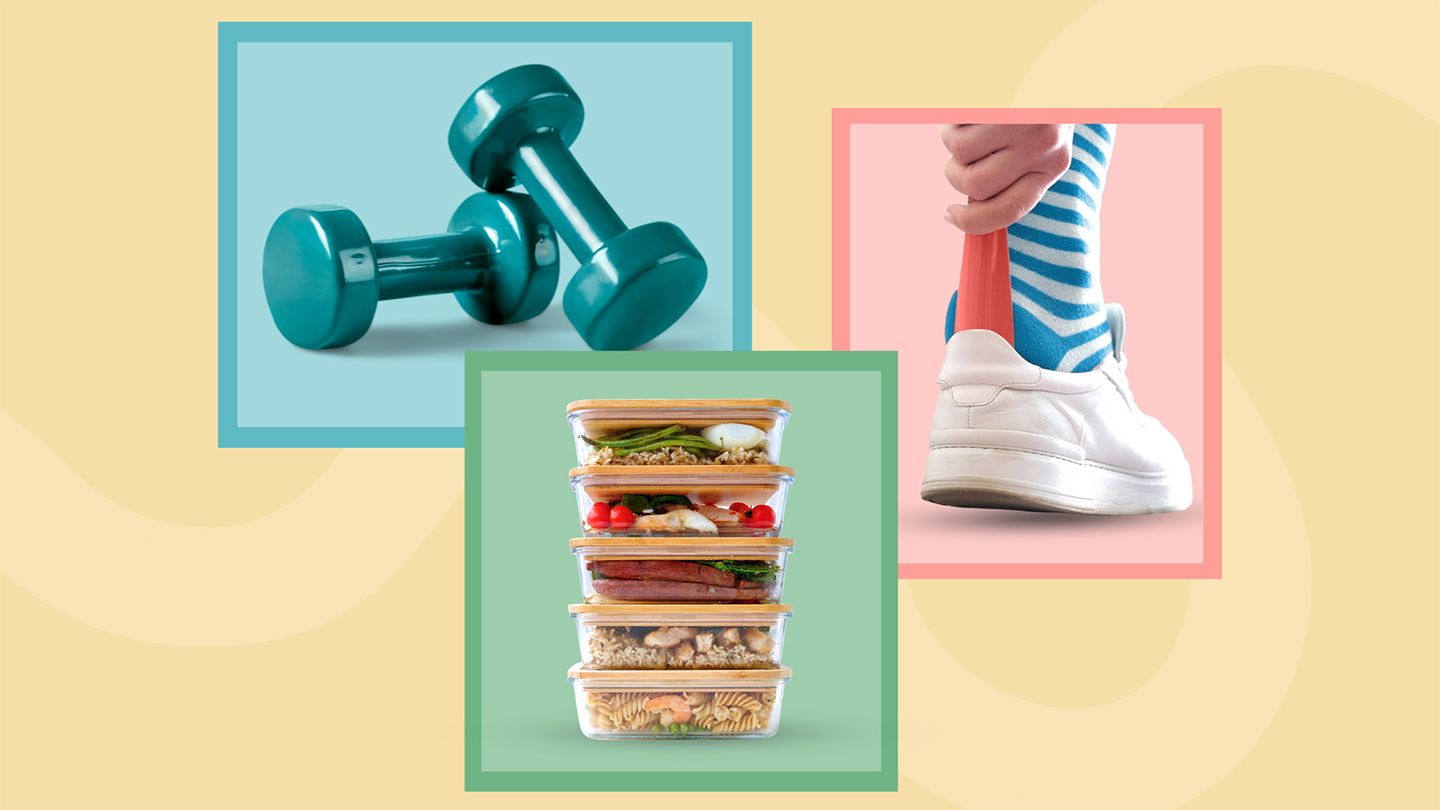
Find ways to make daily tasks easier, says Habib. For example, wear clothes with Velcro or zippers instead of buttons. Soak dishes first so you don’t have to scrub dishes or prepare and chop recipe ingredients the day before you want to make the meal. You can also make several meals at once and freeze the leftovers. Or just throw a bunch of ingredients into the slow cooker in the morning and dinner will be made automatically.
6. Eat for energy
Symptoms of lung cancer and treatment side effects such as nausea and canker sores may cause you to lose your appetite, but you need to eat a balanced diet to maintain your strength during treatment. “Patients need to consume at least 2,000 or 2,500 calories per day to maintain their energy levels,” Habib says.
If three large meals is too much, try eating five or six smaller meals and snacks throughout the day, says Habib. Consume complex carbohydrates (whole grains, fruits, and vegetables) for energy and protein (cheese, chicken, and fish) to maintain muscle mass. Boost your calories by adding healthy fats (avocado, nuts).
Remember to drink plenty of water to stay well hydrated. Habib says you need nine 8-ounce cups of water a day to maintain blood circulation and flush your body.
When fatigue indicates another problem
Fatigue can also be a sign of another medical condition, so be aware of other symptoms as well. For example, feeling tired with shortness of breath or chest pain may indicate a heart attack. Fatigue, fever, and weakness indicate a possible infection. If you notice any of these warning signs, call your doctor, Habib says.
Depression can also make you feel tired, so keep an eye out for symptoms such as persistent sadness, changes in sleep, and inability to enjoy things you once loved. “Mental health is just as important as physical health, and fatigue and depression often overlap,” says Habib.
takeout
- Fatigue is a common symptom of non-small cell lung cancer and its treatment.
- Exercise helps fight fatigue by improving oxygen supply and boosting your mood.
- Ask your family and friends to help you with daily tasks and take a break.
- Break down your daily chores into small steps and use adaptive tools to save energy.