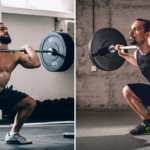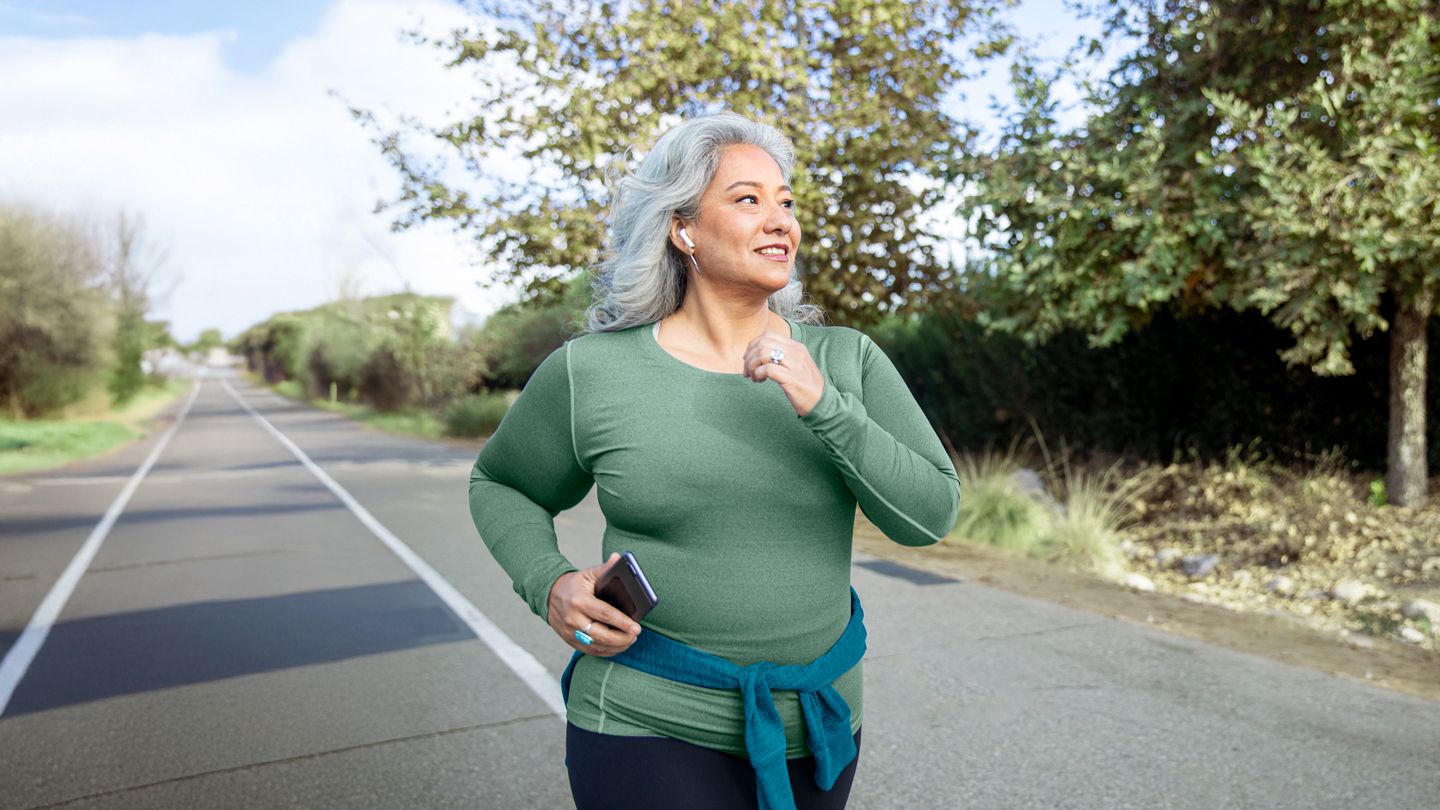
To combat menopausal weight gain, start with a combination of moderate and vigorous exercise. Your daily routine should include aerobic exercise such as swimming, walking, cycling, and running, as well as strength and strength training. “What I want to incorporate now is high-intensity interval training (HIIT),” says Dr. Peek. “Essentially, this means moderate-level exercise interspersed with high-intensity intervals throughout the week.
“What you’re doing when you’re 30 is very different from what you’re doing when you’re 60,” says Kathryn A. Bowling, M.D., a family medicine physician at Mercy Medical Center in Lutherville, Maryland, who points out that it’s important to adjust your exercise regimen based on your age.
If you’re feeling low, create incentives for yourself to keep moving. “I have an Apple Watch, and I like seeing the circle[of completed exercises]close,” says Dr. Bowling. “Try activities that involve lifting, pushing, and pulling.”
Keep in mind that exercise intensity is personal. So if you haven’t exercised in years, you can feel a great workout without doing much, but if you’re in good shape, trying a HIIT class, for example, might be for you. If in doubt, and to avoid injury, find a personal trainer or physical therapist to help guide you through your daily routine.