A gynecologist explains the benefits of yoga for menstrual health, the best yoga poses to regulate menstruation, and the importance of breathing techniques.
From irregular periods and painful cramps to PCOD and premenstrual syndrome, menstrual symptoms can reflect serious imbalances in your hormonal, metabolic, or neurological systems. Although medical treatment is often required, incorporating yoga into your lifestyle provides a holistic, evidence-backed way to support menstrual and reproductive health. Practicing the best yoga poses for menstrual health and maintaining a stress-free lifestyle can help women regulate menstruation and reduce painful symptoms.
Is yoga for menstrual cycle health effective?
Polycystic ovarian disorder (PCOD) affects an estimated 6-20% of women worldwide. It is characterized by insulin resistance, androgen excess, irregular ovulation, and anxiety. In adolescent girls diagnosed with PCOD, a 12-week comprehensive yoga therapy was found to be superior to general exercise in improving hormonal markers, significantly reducing anti-Mullerian hormone (AMH), luteinizing hormone (LH), testosterone, and hirsutism scores, and improving menstrual regularity.
Yoga asanas to balance hormones
Certain yoga poses stimulate endocrine function and increase circulation in the pelvis. These yoga asanas include:
1. Supta Baddha Konasana (Lying Angle Pose)
Gently relaxes abdominal and pelvic muscles, improves blood flow to the uterus and ovaries, and reduces menstrual pain.
2. Bandasana (Bridge Pose).
This yoga pose tightens the pelvic muscles and stimulates the thyroid, often referred to as the “master regulator” of hormones.
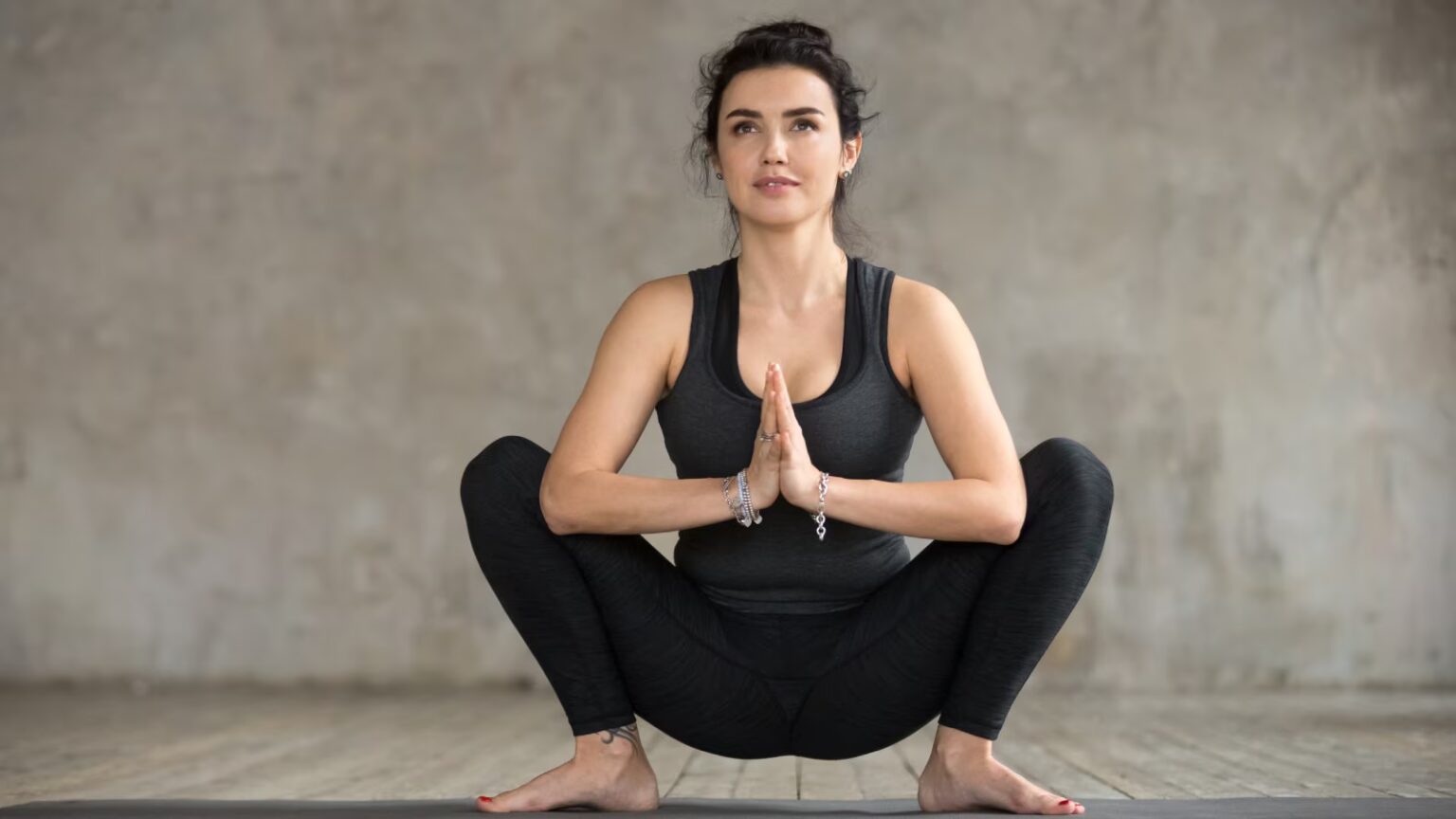
3. Malasana (Garland Pose)
Increases pelvic flexibility, relieves lower back tension, and supports digestion.
4. Paskimottanasana (seated forward bend)
This yoga asana calms the nervous system and relieves PMS symptoms such as bloating and anxiety.
5. Viparita Kalani (Legs Up the Wall)
Elevating your legs up the wall activates your parasympathetic nervous system, which lowers cortisol and may reduce inflammation in your pelvis.
6. Balasana (child’s pose)
This relaxing yoga pose for menstrual health relieves lower back pain and abdominal cramps, calms the nervous system, improves blood circulation to the pelvis, reduces bloating, and supports rest.
8 yoga asanas to manage irregular periods

Breathing techniques to reduce stress
Prolonged stress increases cortisol, which inhibits the production of gonadotropin-releasing hormone (GnRH) and disrupts the menstrual cycle. Research shows that a six-month pranayama technique of brahmari (bee humming breathing) can help regulate cortisol responses to stress.
Additionally, controlled breathing exercises have been shown to significantly reduce cortisol and epinephrine levels, supporting emotional balance and resilience in women with menstrual irregularities.
Make yoga a habit for menstrual health
Yoga is a lifestyle. A combination of dynamic poses (such as Bridge and Garland) and restorative poses (such as Child’s Pose and Supta Baddha Konasana) and regular pranayama builds long-term hormonal harmony. It is important to adjust your exercises to your menstrual cycle. Practice dynamic sequences during the follicular/ovulatory phase and restorative sequences during the menstrual and luteal phases.
Over time, yoga promotes routine, body awareness, and emotional stability, which are important pillars of menstrual cycle health management.
As health care providers, it is important that we recognize and incorporate these complementary practices into our recommendations, especially those that help women better understand and take control of their reproductive health. A structured yoga practice effectively supplements conventional treatments and promotes overall health across various stages of a woman’s reproductive life.