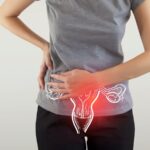
The vagina is a self-cleaning organ, but several factors can disrupt its delicate pH balance. Here are 9 tips to help balance your vaginal pH levels naturally.
The vagina is a self-cleaning organ with a delicate balance of good bacteria and natural acids that protect against infection. However, several factors such as poor hygiene, hormonal changes, antibiotics, unprotected sex, and even stress can disrupt this pH balance and increase your risk of infection and discomfort. A healthy vagina’s pH ranges from 3.8 to 4.5, which means it’s slightly acidic. This acidity helps prevent the growth of harmful bacteria and yeast. When this balance is disrupted, problems such as bacterial vaginosis, yeast infections, unpleasant odors, and irritation can occur.
Dr Shweta Wazir, senior consultant and obstetrician and gynecologist at Maternal Hospital, tells Healthshot that there are many natural ways to restore and maintain a healthy vaginal environment.
Why is pH important for vaginal health?
Vaginal pH indicates how acidic or alkaline the vaginal environment is. According to Dr. Wazir, a healthy pH should be maintained between 3.8 and 4.5 and be slightly acidic to prevent harmful bacteria and fungi. This balance is maintained by lactic acid bacteria, which are beneficial bacteria that produce lactic acid. A 2021 study published in the journal Diagnostics highlighted how this acidic environment plays a key role in defending against vaginal infections.
How can I balance my vaginal pH levels naturally?
Here are some tips from gynecologists to maintain vaginal health.
1. Eat foods rich in probiotics
Include yogurt, kefir, kimchi, and sauerkraut in your diet. These foods are rich in lactic acid bacteria that help restore healthy vaginal flora. A 2019 study published in the International Journal of Environmental Research and Public Health found that probiotic therapy has short- and long-term benefits against bacterial vaginosis, a common cause of pH imbalance. Limit acidic and sweet foods such as alcohol, onions, and desserts. Instead, choose sweet potatoes, which are high in fiber and good for your gut and vaginal microbiome, and add citrus fruits and berries to boost immunity.
2. Maintain proper hygiene
Wash the vaginal area with mild, unscented soap and warm water. Avoid harsh cleaning products and detergents as they will remove the protective bacteria. Dr. Shweta Wazir advises using only doctor-approved intimate care products. Choose breathable cotton underwear to reduce moisture buildup and bacterial growth. Avoid tight-fitting jeans and synthetic fabrics that trap heat and moisture.
3. Stay hydrated
Drinking at least 3 liters of water every day helps eliminate toxins, maintains the health of your vaginal tissues, and supports your body’s natural balance. Hydration is key to preventing dryness, irritation, and infection.

4. Add cranberry juice
Unsweetened cranberry juice supports urinary tract and vaginal health. “Cranberries contain compounds that prevent the growth of harmful bacteria in the urinary tract,” explains Dr. Wazir. Reviews published inUrology Journal It also supports antibacterial and anti-inflammatory effects, particularly against E. coli, the bacteria that causes urinary tract infections (UTIs).
5. Practice safe sex
Always use condoms to prevent infections that can disrupt vaginal pH. After sex, avoid using harsh soaps or scented detergents, rinse with water, and maintain general hygiene. Having multiple partners can increase your risk of infection, so take precautions. Dr. Wazir added that eating probiotic-rich foods, such as yogurt, also supports a healthy vaginal flora after sex.
6. Manage stress
Stress increases cortisol levels, which can indirectly disrupt the vaginal microbiome. A 2018 study published in Frontiers in Endocrinology linked stress-induced hormonal changes to bacterial vaginosis. Try calming practices like yoga, meditation, and listening to music to keep your hormones balanced.
7. Quit smoking
Smoking changes the vaginal flora and reduces the levels of lactic acid bacteria. A 2014 study on BMC infections found that non-smokers had healthier vaginal flora. If you find it difficult to quit, ask your doctor about a quit plan or support program.
8. Clean your vulva safely
Avoid washing or using scented soaps or scented pads as this can disrupt the pH level. A study published in the American Journal of Epidemiology showed that douching increases the risk of bacterial vaginosis. Gently rinse your vulva with warm water or use a mild, unscented cleanser.

9. Maintain good hygiene during menstruation
Change tampons and sanitary pads every 4 to 8 hours to reduce bacterial growth and prevent infections such as toxic shock syndrome. Proper menstrual hygiene is essential to maintaining vaginal pH balance.
These tips will help you keep your pH levels balanced and your intimate health in good shape.