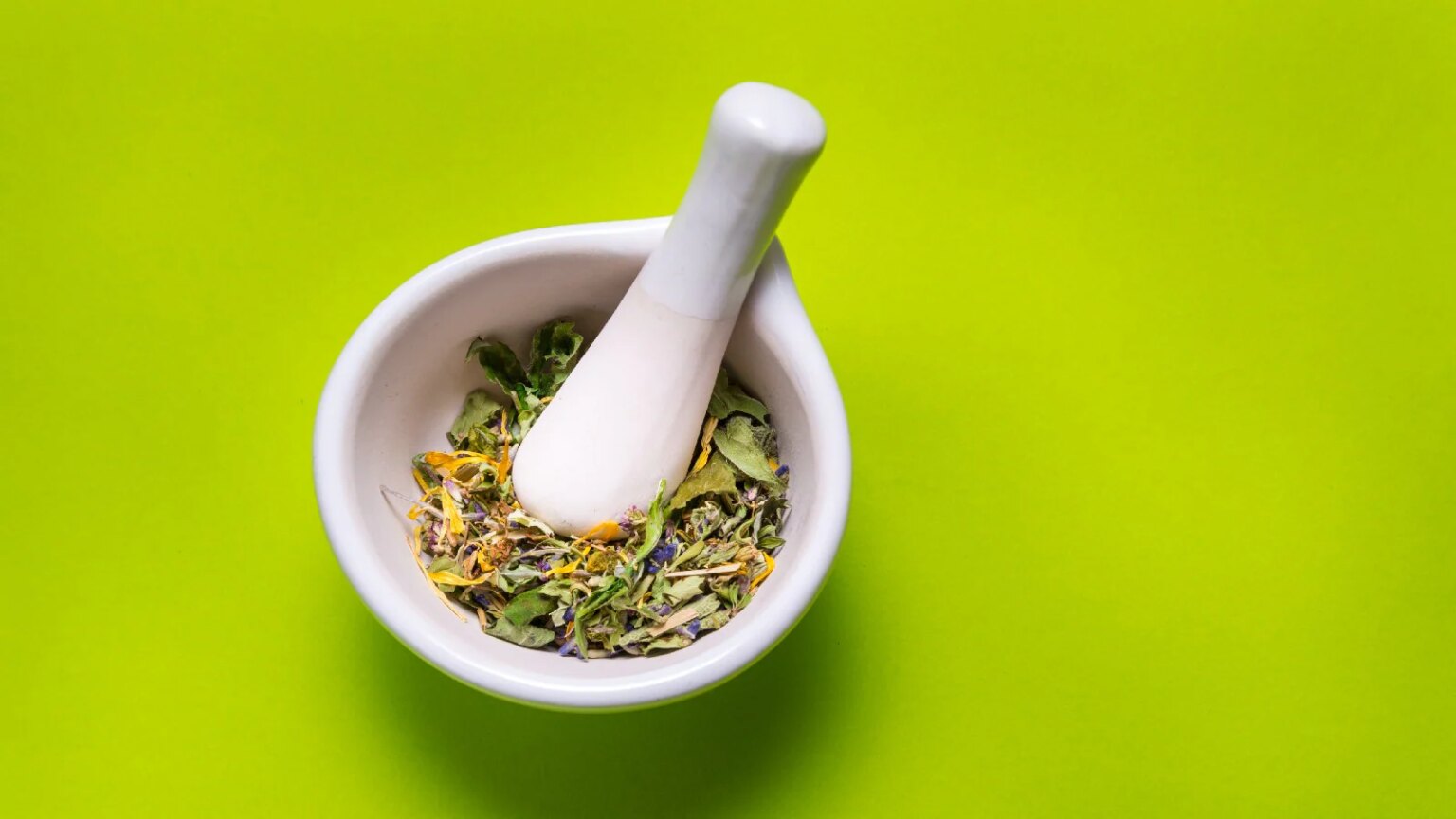
Manage diabetes safely and effectively with a healthy lifestyle with effective Ayurvedic herbs such as bitter melon and shilajit.
According to the World Health Organization, diabetes has become a serious health problem, and its prevalence has nearly quadrupled in recent decades. If you’re managing diabetes, you may be looking for ways to control your blood sugar levels while enjoying life. Modern medicine plays a role in diabetes management. Still, many people are discovering complementary methods that can improve their overall health. One is Ayurveda, India’s ancient healing system. We offer many herbal remedies to help support healthy blood sugar levels.
Some of these treatments include ancient herbs such as bitter melon and shilajit, which are currently gaining attention for their potential anti-diabetic effects. Recent research published in BMC complementary medicine and therapy Studies have shown that these plants can help improve insulin sensitivity, regulate carbohydrate absorption, and even protect pancreatic beta cells from damage. “However, these natural options should be used with caution and under the guidance of a medical professional.” Ayurveda expert Dr Hariprasad VR speaks to Health Shots.
4 Ayurvedic herbs that diabetics should know
How to safely incorporate Ayurvedic herbs into your diabetes management plan, including both traditional practices and modern approaches.
-
Gymnema (Meshashringi)
- structure: Gymnema sylvestre, also known as the “sugar destroyer,” is a well-known herb in Ayurveda that helps manage blood sugar levels. Its main component, gymnemic acid, helps lower high blood sugar. Gymnema helps regenerate pancreatic beta cells, which increases insulin production and increases glucose utilization in the body. It also reduces sugar cravings by temporarily blocking the sweet taste on the tongue, making it a great option for those looking to cut down on sugar.
- How to use: “Gymnema can be taken in different forms, such as capsules or powder (usually 1-3 grams before meals), or as a herbal tea. It is important to follow the recommended dosage listed on the product or as advised by your Ayurvedic doctor,” says an Ayurvedic expert.
2. Indian Kino Tree (Pitasala)
- structure: The Indian kino tree, also known as pitasala, is important in Ayurveda because of its ability to help maintain healthy blood sugar levels. It is rich in flavonoids and tannins, which help regulate the body’s processing of carbohydrates. This slows down the conversion of starch to glucose. In addition to its benefits on blood sugar levels, pitasala helps maintain healthy lipid levels and protects the liver, supporting overall metabolic health.
- How to use: “Pitasala comes as a standardized extract in capsule form. For best results, follow the dosage instructions on the product label or as directed by your health care provider,” shares the Ayurvedic expert.

3. Shilajit
- structure: Shilajit is a resin found in the Himalayas and is rich in minerals. It helps the body use insulin more effectively, which is essential in managing diabetes. Shilajit supports the natural production of insulin and provides antioxidants. It also protects pancreatic cells from inflammation and stress, making it a useful part of a healthy routine.
- How to use: “Shilajit can be taken in capsule form or as purified resin. For the resin, 100-250 mg is dissolved in warm water or milk. Make sure to buy shilajit from a reliable supplier to ensure its purity and effectiveness,” suggests an Ayurvedic expert.
4. Bitter melon (Calaveraka)
- structure: Bitter melon, also known as Kalaveraka, is highly valued in Ayurveda for managing blood sugar levels. It contains powerful compounds such as chalantine and polypeptide P, which act like insulin and allow the liver and muscles to utilize glucose more effectively. Bitter melon also reduces gluconeogenesis, the process of making glucose in the liver. It accomplishes this by blocking certain enzymes, improving blood sugar control.
- How to take: “Bitter melon can be enjoyed in many ways. You can drink it as fresh juice, cook it like any other vegetable, or take it in capsule or powder form. Choose the method that best suits your tastes and lifestyle,” says an Ayurvedic expert.
How can I use Ayurvedic herbs safely for diabetes?
Although there are many benefits to using these herbs, it is important to be careful and follow certain guidelines.
- Please consult your doctor first. Consult your health care professional before taking any herbal supplements. Some herbs can interact with diabetes medications and cause problems such as low blood sugar.
- Complementing treatment: Ayurvedic herbs can help support treatment, but they are not a substitute for prescription medications. A healthy diet and regular exercise are also important to effectively manage diabetes.
- Monitor your blood sugar levels. Watch your blood sugar levels when trying new herbs. Checking your blood sugar levels regularly can help you see how your body is responding and spot signs of low blood sugar.
- Start low and go slow. Unless directed otherwise by your doctor, start your new herb at the lowest effective dose and gradually increase it as needed. This gives your body time to adapt.
- Buy quality products: Use supplements from trusted brands whose products have been independently tested by a third party. The quality of herbal products is important because impurities can reduce safety and effectiveness.
- Be aware of side effects and interactions. Even natural herbs can have side effects and interact with other medications. It’s important to understand how the herbs you choose affect your health.
- Avoid if pregnant or breastfeeding. It is best to avoid these herbs during pregnancy or breastfeeding unless specifically recommended by a qualified health professional.
Disclaimer: At Health Shots, we are committed to providing accurate, trustworthy and authentic information to support your health and well-being. However, the content on this website is for informational purposes only and should not be considered a substitute for professional medical advice, diagnosis, or treatment. Always consult a qualified health care provider for personalized advice regarding your specific medical condition or concerns.