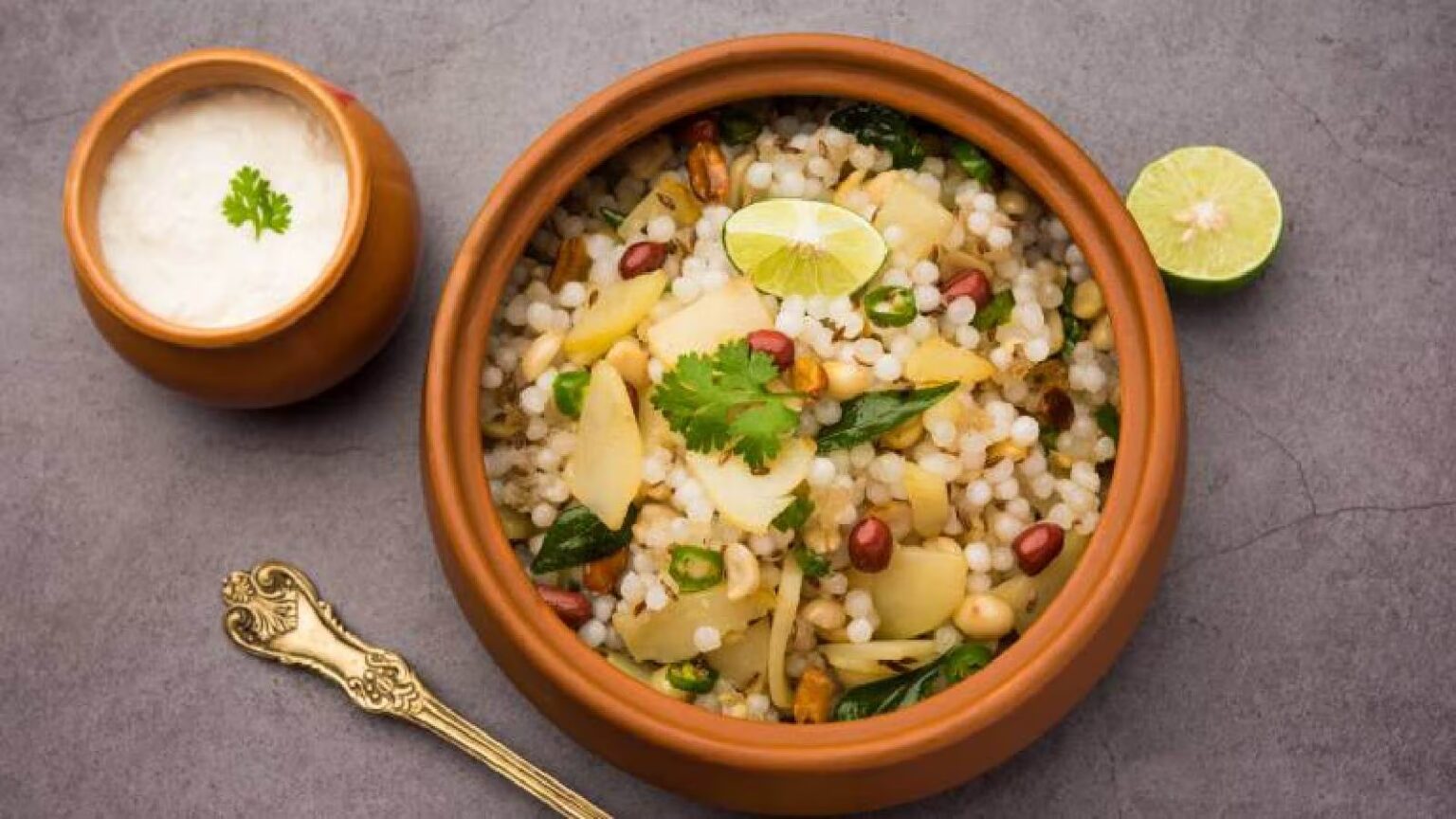
7 Light and Nutritious Foods for Navratri Fasting: These foods keep you energized and support digestion without taxing your body.
While Navratri fasting is often seen as a mental reset, the body quietly recalibrates during these nine days. Fasting is not deprivation. It’s about giving your digestive system a break while nourishing your tissues. But the real challenge lies in choosing foods that maintain energy without taxing digestion. When you eat right, you feel lighter, more alert, and incredibly stable throughout the day. Otherwise, fatigue will creep in sooner than you expect.
Why is light and nutritious food important during Navratri fasting?
It helps you understand what’s going on with your body before you decide what to eat. During fasting, the digestive fire, or agni, becomes more sensitive. “Heavy, fried, or overly sweet foods can weaken your stomach, leading to bloating, sluggishness, and even headaches,” Ayurvedic expert Dr. Partap Chauhan tells Healthshots. Ayurveda recommends choosing foods that are easy to digest, mildly spiced, and hydrating. You’re not just eating less, you’re eating smarter.
-
Same rice (hie)
Samara rice, often considered a staple food during fasting, is easy on the stomach and digests quickly. It provides stable energy without feeling heavy. It can be prepared as khichdi or as a simple pulao with mild spices. If eating while fasting feels monotonous, this is surprisingly versatile.
2. Lauki (gourd)
Lauki is hydrating, cooling and very gentle on digestion. It helps maintain electrolyte balance, especially if you feel depleted while fasting. A simple lauki sabzi or soup can be helpful when you feel like your appetite has decreased but your body still needs nourishment.
3. Sweet potato
Sweet potatoes provide natural sweetness along with dietary fiber and complex carbohydrates. Stabilizes energy and reduces sudden hunger pangs. It can be roasted, boiled, or lightly stir-fried with cumin. Simple preparation is best here.
4. Coconut and coconut water
Fresh coconut and its water content maintains fluid balance and supports digestion without stressing the digestive system. If you feel tired or mildly dizzy while fasting, coconut water can be very helpful as it gently restores energy.
5. Makhana (Fox Fruit)
Makhana is light but satisfying. Rich in minerals, they provide crunch without the heaviness of fried snacks. Roast it with a little ghee and senda namak. It’s a go-to item for a quick snack.
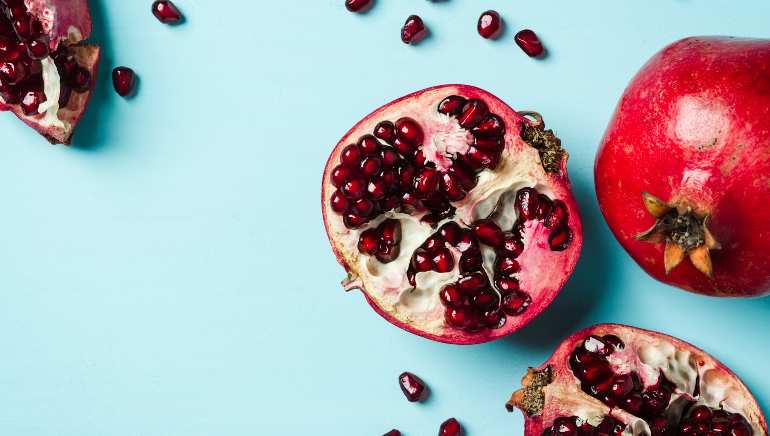
6. Fruits such as papaya and pomegranate
Fruits are often consumed during fasting, but not all fruits are suitable for everyone. Papaya supports digestion and prevents heaviness, while pomegranate maintains energy and supports blood health. Be careful not to mix too much fruit at once. Your gut likes it that way, so keep it simple.
7. Homemade curd or buttermilk
If your body tolerates it, fresh curd or diluted buttermilk will support digestion and intestinal balance. It also has a mild cooling effect, which can be helpful if you feel hot or sour. Add a pinch of roasted cumin to improve digestion. Small touches matter.
How do you eat these foods the right way?
Choosing the right foods is only half the story. How you eat is also important.
- Eat small meals instead of heavy meals
- Avoid overeating, even if the food is “fast-friendly”.
- Drink hot water and herbal decoctions throughout the day
- maintain a consistent eating schedule
It sounds basic, but many people overlook this and wonder why they feel tired by the third day.
Fasting should feel light, not draining.
When done consciously, Navratri fasting can leave you feeling lighter, refreshed, and more in tune with your body. Dr. Partap Chauhan emphasizes, “The goal is not to avoid grains or mechanically follow rituals, but to support the body’s systems through gentle nutrition.” When your meals are simple, seasonal, and tailored to your digestive capacity, fasting no longer feels like work. Well, it starts to feel natural.