Creams, sitz baths, and medical treatments can help manage symptoms, but diet plays an important supporting role. What you eat affects the consistency of your stool, your hydration level, and how hard you have to strain to use the toilet. This tension directly affects the pressure on the rectal veins and can worsen swelling and inflammation. Therefore, drinking plenty of fluids and eating a diet high in fiber is often recommended to reduce hemorrhoids.
Conversely, foods that are low in fiber, high in sodium, highly processed, or irritate the gastrointestinal tract tend to worsen symptoms. Here’s a look at seven foods to limit when managing hemorrhoids.
1. Highly processed foods
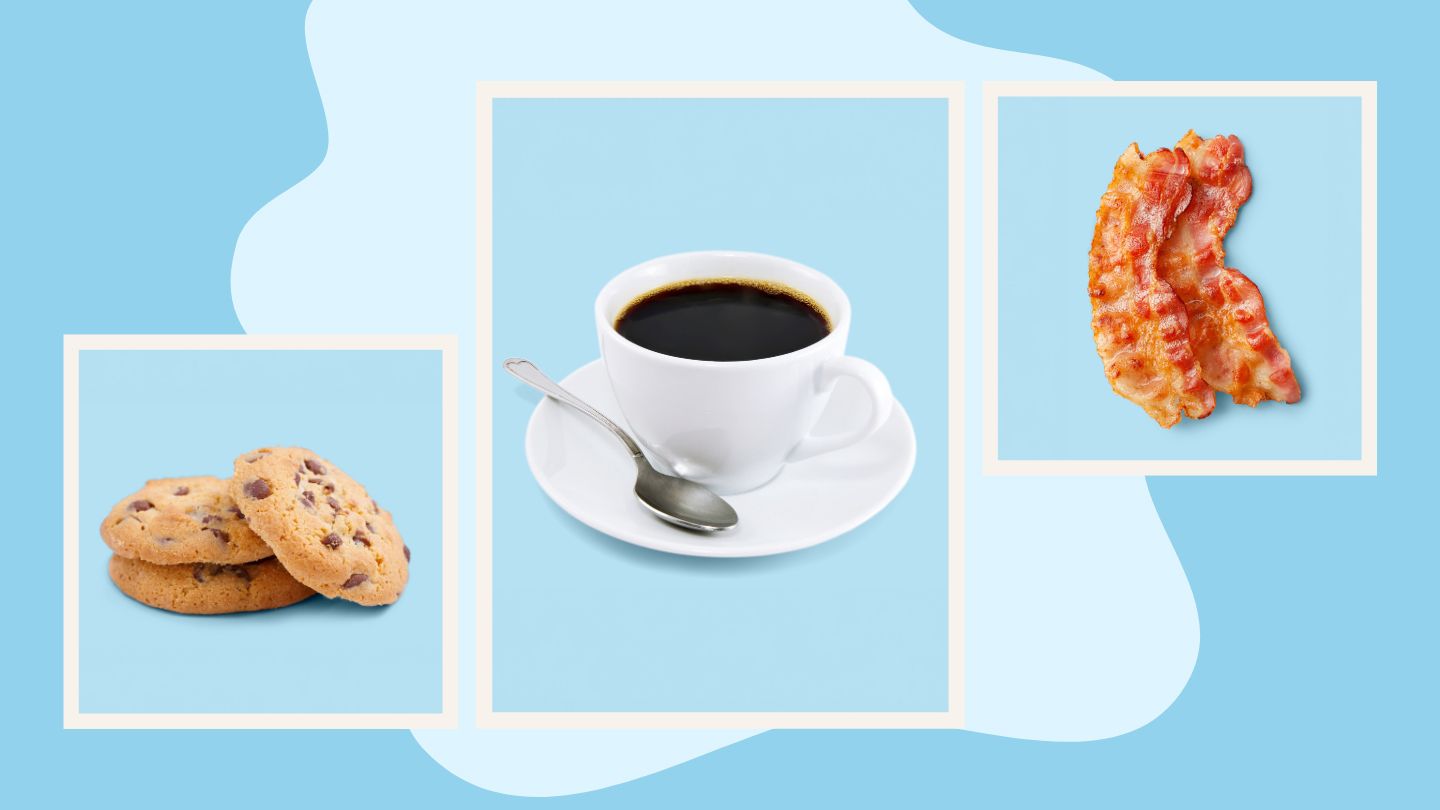
Potato chips, cookies, and packaged snack foods are typically low in fiber and high in sugar and fat, an unfortunate combination if you’re trying to prevent constipation and straining during bowel movements.
UPF is food that is manufactured using additives or preservatives. Possible items include packaged cookies, energy drinks, and lunch meat.
Eating these foods also creates a vicious cycle, according to Alex Afshar, M.D., founder of the Hemorrhoid Institute of Connecticut. “They’re low in fiber, which makes your stools hard and straining. They’re also high in fat and sugar, which slows down your gastrointestinal motility,” he says.
When bowel movements are delayed, stool stays in the colon longer, allowing the body to absorb more water from the colon. As a result, the stool becomes drier and harder, putting more pressure on the already swollen rectal veins and worsening hemorrhoid symptoms.
According to Dr. Afshar, these snacks replace fiber-rich foods in your diet and reduce your overall intake of nutrients that support gut health.
2. spicy food
Spicy foods can also stimulate more frequent bowel movements. “And as the volume of bowel movements increases, the irritation to the rectal area increases,” says Afshar. More trips to the bathroom can lead to more wiping and rubbing, he says.
Therefore, when you have hemorrhoids, you should be careful with your favorite spicy dishes and avoid them if necessary to reduce discomfort in already inflamed sensitive areas. Sheth says: “We don’t want to add fuel to the fire.”
3. Processed meat
Like many packaged snacks, processed meats contain no fiber and are often high in sodium. Afshar says high sodium intake can lead to dehydration, especially if you don’t drink enough water.
Without enough fiber and proper hydration, stools become bulky, dry and difficult to pass, increasing the likelihood of straining, she says.
4. Excess caffeine
Tadiparthi says she relies on her morning cup of coffee to give her a “pick-me-up” because caffeine can stimulate the colon and encourage bowel movements. Some studies even link coffee consumption to an increased risk of diarrhea.
At the same time, caffeine is a mild diuretic and can cause dehydration in some people. Dehydration can cause stools to become hard, increasing strain and pressure on swollen rectal veins.
Still, Sheth says caffeine has a number of benefits, including supporting brain health and lowering the risk of chronic disease. “Overall, I think it’s a net positive for people who are in moderation,” he says, warning against sugary, creamy and high-fat coffee drinks.
The key is balance. “Reliance on coffee for fluids can lead to hard stools and worsen hemorrhoids,” says Tadiparthi. “It’s very important to drink coffee and stay hydrated to avoid worsening your hemorrhoid symptoms.”
5. Alcohol
Like coffee, alcohol is a diuretic and, especially when consumed in excess, can increase urine production and cause dehydration.
Afshar said other factors are at play. Alcohol causes vasodilation, or dilation of blood vessels. “It causes swelling of the hemorrhoid’s blood vessels, and when that happens, it’s uncomfortable in itself,” he says. Some people’s symptoms worsen after drinking too much “because the rectal canal is swollen.”
6. High-fat dairy products
This also puts strain on the hemorrhoid veins, increasing the risk of putting more pressure on them, Afshar says. “Anything high in fat reduces motility in the gastrointestinal tract,” he says.
If consuming full-fat dairy products does not change your bowel habits, there is no need to eliminate them.
7. Red meat
There are two important problems with red meat. For one thing, it lacks the fiber that bulks up your stool, and it moves through your digestive tract more slowly, making your bowel movements sluggish, Tadiparthi says. “Red meat often takes longer to digest than plant-based foods, which means it passes through the colon more slowly. The slower transit and less stool volume can worsen constipation and lead to hemorrhoid inflammation,” she says.
This doesn’t mean you need to remove the steak completely. “As long as you’re supplementing your daily diet with fiber and staying hydrated, it’s fine in moderation,” says Afshar.
If your symptoms don’t improve within a few weeks after changing your diet, or if your hemorrhoids cause persistent itching, burning, or frequent bleeding, talk to your doctor, says Tadiparthi. These symptoms may have other causes and require different treatment.
takeout
- Foods that are low in fiber, high in sodium, or highly processed can increase the likelihood of constipation, dehydration, and straining during bowel movements, which can worsen hemorrhoid symptoms. All of these can put pressure on the hemorrhoids.
- A hemorrhoid-friendly diet is rich in fiber (aim for 25 to 30 grams per day), which, when combined with adequate fluid intake, softens stools, reduces pressure on rectal veins, and reduces the risk of worsening symptoms.
- If your symptoms do not improve after a few weeks after changing your diet, or if you experience persistent bleeding or severe pain during bowel movements, it is important to consult your health care provider.