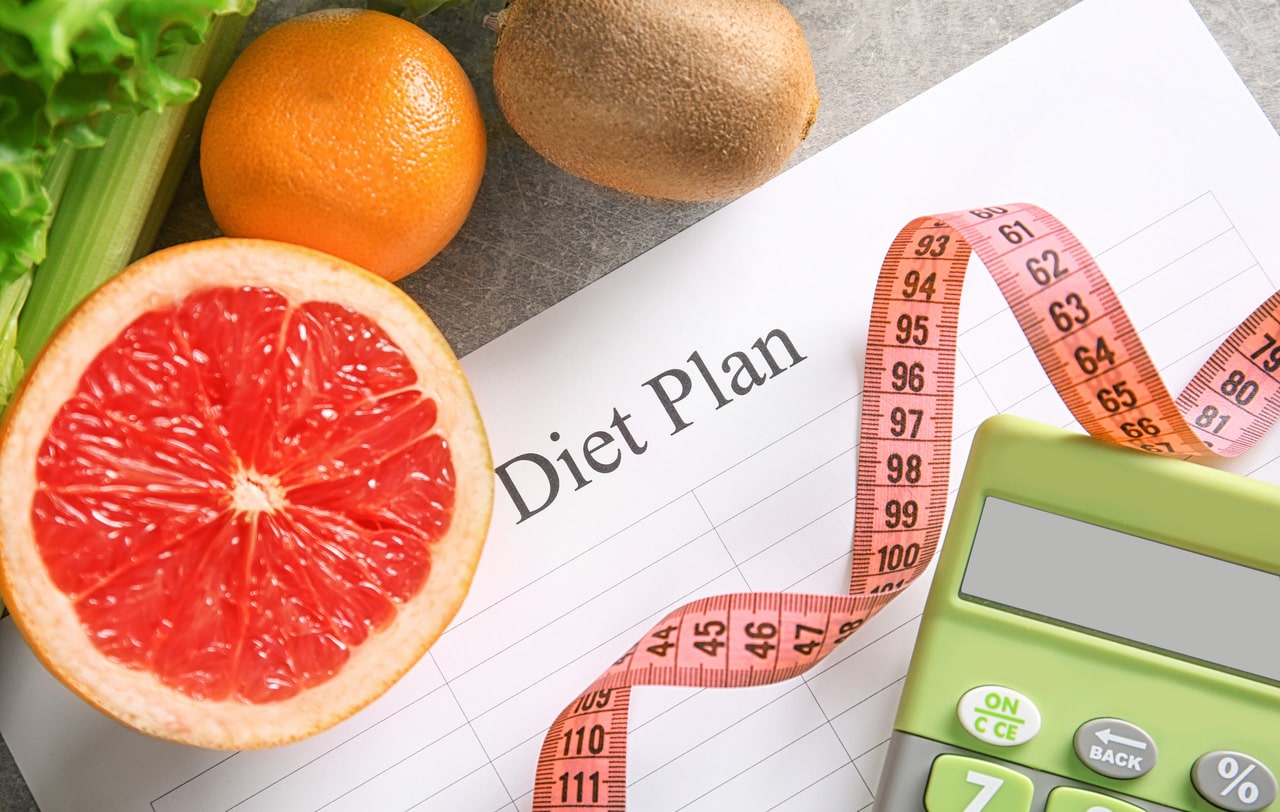
In today’s fast-paced world, losing weight quickly and effectively has become a common goal for many people. However, fad diets and rapid weight loss plans may be unsafe and unsustainable. That’s where the 21-day diet plan for weight loss comes into play. This plan provides a safe and effective way to lose weight and build healthy habits that you can maintain long-term.
The 21-day diet plan for weight loss is a comprehensive approach that includes a calorie deficit, regular exercise, and a nutritious, balanced, and healthy diet. This plan will help you start your weight loss journey and stay on track to achieving your weight loss goals.
While the 21-day diet plan provides effective results, it’s important to remember that losing significant weight and keeping it off is a long-term process. Nevertheless, a 21-day meal plan for weight loss can give you results that will keep you motivated and on track for a healthier lifestyle. Consider this plan and learn how to lose excess weight and live a healthier life.
How much weight can I lose with a 21 day weight loss diet plan?
When following a diet plan, one of the most common questions is how much weight you can lose within a certain period of time. The purpose of the 21 Day Diet for Weight Loss is to set realistic goals that are healthy and achievable.
Experts recommend losing 1 to 2 pounds per week is healthy, and up to 3 to 6 pounds in 21 days. This may not seem like a big deal, but losing weight gradually and consistently is the best way to maintain a healthy weight in the long term. The Centers for Disease Control and Prevention (CDC) says that people who lose weight slowly and steadily (about 1 to 2 pounds per week) have a better chance of keeping it off.
Although it may be tempting to try to lose more than 6 pounds in 21 days for rapid weight loss, it is not recommended. Research shows that rapid weight loss can be detrimental to your health and lead to loss of muscle, water, and bone mass. If you want to try a more aggressive weight loss program, it’s important to do so under medical supervision.
Remember, the goal of the 21 Day Fat Loss Challenge is not just to lose weight, but to develop healthy habits that will help you maintain a healthy weight in the long term. So keep working towards your goals and remember that slow and steady wins the competition.
summary
The 21-day diet plan is a popular approach, but people often wonder how much weight they can lose in this period of time. Experts recommend setting realistic goals and aiming to lose 1 to 2 pounds per week, up to 3 to 6 pounds in 21 days. Losing weight gradually and consistently is the best way to maintain a healthy weight over the long term. Rapid weight loss is not recommended as it can be harmful to your health and lead to loss of muscle, water, and bone mass.
Creating a 21-day meal plan for weight loss: understanding the basics
1. Understand individual needs
Before starting a diet plan, it is essential to understand that there is no single diet plan that will work for everyone. Research shows that each person has unique requirements that vary depending on age, gender, medical condition, and activity level. However, understanding the basics will help you create a plan that fits your needs. Additionally, you should consult a certified nutritionist or nutritionist to create a customized meal plan.
2. Eat at regular intervals
Research shows that eating regularly is important for weight loss. That’s because it helps provide the nutrients your body needs to function properly. Additionally, it helps maintain a healthy metabolism. For this reason, the 21 Day Diet Plan for Weight Loss recommends eating five meals a day, consisting of three main meals and two healthy snacks, at regular intervals. This will help you avoid feeling hungry and reduce the chance of overeating, which can be counterproductive in the long run.
It is also important to consider the timing of your meals. For example, eating breakfast within an hour of waking up will jump-start your metabolism and help you feel more energized throughout the day. Similarly, eating your last meal of the day at least a few hours before bedtime improves digestion and sleep quality. By incorporating regular meals and snacks into your 21-day diet plan for weight loss, you can safely and sustainably lose weight without compromising your health or metabolism.
3. Always check your calorie intake
To create a safe and effective 21-day diet plan for weight loss, you need to balance your calories. This means that you take in fewer calories than you expend through physical activity and bodily functions. You can achieve a calorie deficit of 500 to 750 calories per day by choosing nutritious foods that are high in fiber, protein, and healthy fats. These foods keep you full and promote weight loss.
Tracking your calorie intake can also help you understand your eating habits and make informed food choices. Research shows that being in a calorie deficit and making healthy food choices can help you achieve sustainable weight loss. Additionally, it can improve your overall health and well-being. If you follow it correctly, the 21-day diet plan will help you.
4. Pay attention to your nutrients
When creating a 21-day diet plan for weight loss, it is important to pay attention to the nutrients in your diet. We recommend eating three main meals (breakfast, lunch, and dinner) rich in complex carbohydrates, protein, and fiber in healthy combinations and appropriate proportions.
A diet rich in carbohydrates, fiber, and protein promotes weight loss and overall health. Complex carbohydrates, such as whole grains, give your body energy to function properly. Additionally, research shows that complex carbohydrates can help keep you feeling full for long periods of time. As a result, you’ll resist the urge to munch on unhealthy snacks and avoid overeating.
Several studies have shown the importance of protein in healthy weight loss. Protein is an essential nutrient needed for the growth and repair of muscles, organs, and other tissues in the body. It is also essential for maintaining a healthy immune system and producing hormones and enzymes that regulate body functions. Eating enough protein can suppress your appetite and increase your sense of fullness.
Fiber is essential for healthy digestion. It keeps you feeling full for longer and reduces the absorption of calories from other foods. Eating enough fiber can also lower your cholesterol levels and reduce your risk of certain diseases.
In addition to protein, fiber, and complex carbohydrates, you should also include other essential nutrients for effective weight loss. These nutrients include healthy fats, vitamins, and minerals. The healthy fats found in seeds, nuts, and avocados are essential for regulating hormones and reducing inflammation. Minerals and vitamins such as vitamin D, calcium, and magnesium are essential for maintaining strong bones and a healthy immune system.
5. Focus on developing healthy eating habits
The 21-day diet plan for weight loss focuses on creating healthy eating habits and long-term habits. Research has proven this to be a healthy and safe approach for long-term weight loss. This plan helps you lose weight, but it also aims to form sustainable and healthy eating habits for the future. To accomplish this, your program should include a variety of nutritious foods in the right proportions to improve energy levels and overall health.
A 21 day diet plan for weight loss should be flexible and adaptable to your personal tastes and preferences. This will make it easier to continue and prevent you from getting bored. Additionally, this plan will help you maintain healthy habits that you can stick to beyond 21 days. Research shows that healthy eating habits have long-term weight loss benefits. Therefore, this plan will help you lose weight and improve your overall health and well-being.
summary
A 21-day diet plan for weight loss should not only be about losing weight, but also about forming healthy eating habits. The plan should be flexible, allowing individuals to choose healthy foods and snacks that suit their tastes and preferences. Following a plan like this for three weeks will help you form healthy eating habits that you can maintain over the long term.
Reference diet plan
Here we present three reference diet plans – vegetarian, vegan and non-vegetarian – to give you ideas and inspiration. These plans include three days of breakfast, mid-morning snack, lunch, evening snack, and dinner, all centered around healthy, balanced meals. However, keep in mind that these are general plans and one plan does not fit all. Therefore, when planning a 21-day diet for weight loss, you should consult a nutritionist.
vegetarian weight loss diet plan
Day 1
- Breakfast: Vegetable poha + green tea
- Mid-morning snack: Almonds and walnuts
- Lunch: Vegetable khichdi and cucumber tomato salad
- Evening snack: roast makhana
- Dinner: Vegetable stew and brown rice
2nd day
- Breakfast: oats, milk and fruit
- Morning snack: boiled sweet potato
- Lunch: Raj mamasala and brown rice
- Night snack: green smoothie
- Dinner: Stir-fried vegetables, tofu, and quinoa
3rd day
- Breakfast: Eggless whole wheat pancakes with honey
- Mid-morning snack: roasted peanuts
- Lunch: Paneer mixed vegetable curry and brown rice
- Evening snack: fruit
- Dinner: Millet khichdi with curd.
vegan weight loss diet plan
Day 1
- Breakfast: overnight oats and fruit
- Morning snack: baked sweet potato
- Lunch: Quinoa stir-fry with tofu and vegetables
- Evening snack: roasted chickpeas
- Dinner: Vegan lentil soup and brown rice
2nd day
- Breakfast: Vegan banana pancakes with almond butter
- Mid-morning snack: mixed fruit
- Lunch: Vegan chana masala and brown rice
- Night snack: green smoothie
- Dinner: Vegan mushroom and vegetable curry with quinoa
3rd day
- Breakfast: Vegan tofu scramble with vegetables
- Mid-morning snack: roasted almonds
- Lunch: Vegan palak paneer and brown rice
- Evening snack: carrots and hummus
- Dinner: Vegan mixed vegetable curry with quinoa
non-vegetarian weight loss diet plan
Day 1
- Breakfast: Scrambled eggs and whole wheat bread
- Mid-morning snack: mixed fruit
- Lunch: Grilled fish, brown rice, salad
- Evening snack: apples with peanut butter
- Dinner: Grilled chicken breast with roasted vegetables
2nd day
- Breakfast: Vegetable omelet and black bread
- Morning snack: tuna salad
- Lunch: Chicken curry, brown rice, and salad
- Evening snack: roasted almonds
- Dinner: Grilled fish and roasted vegetables
3rd day
- Breakfast: Boiled eggs and whole wheat toast
- Morning snack: green smoothie
- Lunch: Stir-fried chicken and vegetables with brown rice
- Evening snack: Greek yogurt with mixed berries
- Dinner: Salmon with roasted vegetables and quinoa
Other lifestyle changes for effective results
Effective weight loss requires more than just following a 21-day meal plan. Incorporating other lifestyle changes may lead to better results. Some of these changes are:
1. Exercise regularly
Physical activity and exercise are essential to a healthy lifestyle. Research shows that exercise, when combined with a healthy diet, can help you lose weight. Additionally, exercise burns calories, increases your metabolism, and reduces your risk of diabetes and heart disease. A moderate exercise routine that includes 30 minutes of aerobic exercise and strength training each day can have a big impact on your weight loss results.
2. Avoid junk and processed foods
Junk and processed foods are typically high in fat and calories and low in nutrients, leading to weight gain, inflammation, and chronic disease. Instead, eat whole, nutrient-dense foods like fruits, vegetables, whole grains, lean proteins, and healthy fats.
3. Get enough sleep
Adequate sleep is very important for overall health and weight loss. Research shows that lack of sleep can disrupt your hormones, increase hunger, and lower your energy levels. As a result, it can be difficult to follow a weight loss plan. Adequate sleep, on the other hand, regulates hormones, reduces stress, improves energy levels, and makes it easier to maintain healthy habits.
4. Reduce stress
Research shows that stress can have a negative impact on weight loss goals, leading to overeating, poor food choices, and decreased motivation to exercise. To manage stress, try meditation, yoga, or deep breathing exercises.
5. Stay hydrated
Proper hydration helps regulate appetite, boost metabolism, and increase energy levels, which is essential for overall health and weight loss. It is recommended to drink 8-10 glasses of water a day.
6. Avoid alcohol and smoking
Alcohol and smoking can hinder your weight loss goals. Alcohol contains high calories, which can lead to overeating and poor food choices, and smoking can have a negative impact on your metabolism and overall health. Avoiding or limiting alcohol and smoking can improve weight loss and overall health.
summary
To achieve effective results while following the 21 Day Weight Loss Diet Plan, it is important to incorporate other lifestyle changes. These changes include regular exercise, avoiding junk and processed foods, getting enough sleep, reducing stress, staying hydrated, and avoiding alcohol and smoking. Regular exercise burns calories and helps prevent chronic diseases such as diabetes and heart disease. Avoiding junk and processed foods, getting enough sleep, managing stress, and staying hydrated are also important for successful weight loss.
Tips for maintaining and following your 21 day weight loss diet plan
Embarking on a 21-day diet plan for weight loss is a great starting point, but the key to success lies in sticking to the plan over the long term. Here are some tips to help you lose weight on track and reach your goals.
- Set realistic goals. You need to set realistic and achievable weight loss goals that fit your lifestyle. Unrealistic goals can lead to decreased motivation and disappointment.
- Planning and preparation: Plan your meals in advance and allow time to prepare them. This will save you time and ensure you stick to a healthy eating plan.
- Find your support system: Ask your friends, family, and online community for support. Having a support system can help you stay accountable and motivated.
- Celebrate small victories: Every progress counts, so celebrate the small wins along the way.
- Let’s have fun: Try new recipes, try new types of exercise, and find ways to make your weight loss journey fun.
Remember, following a 21 day diet plan is a journey, not a destination. Achieving your weight loss goals and maintaining a healthier, happier you requires dedication, patience, and a positive mindset.
summary
The key to success in sticking to your 21 Day Weight Loss Diet Plan is to set realistic goals, plan and prepare your meals in advance, find a support system, celebrate small victories, and make the journey enjoyable. It’s important to remember that sticking to a plan is a journey, not a destination, and achieving your weight loss goals and maintaining a healthier lifestyle requires commitment, patience, and a positive outlook.
mofobond suggestions
Add color to your plate
While following the 21-day meal plan, it is essential to consume a variety of fruits and vegetables to get all the nutrients you need. A great way to ensure this is by adding color to your plate. Incorporating fruits and vegetables of different colors can make your meals visually appealing while adding more nutrients to them. For example, add beets or tomatoes for red, spinach or broccoli for green, peppers or pumpkin for yellow, and eggplant or grapes for purple. The more colors you add, the more nutrients you get. Plus, it makes eating more enjoyable.
last word
The 21 Day Diet Plan for Weight Loss is a safe and effective way to shed excess weight while developing healthy habits. Understanding that everyone has unique requirements when it comes to diet, it is important to consult a certified dietitian or nutritionist to create a personalized meal plan. A balanced diet and regular exercise are the keys to healthy and sustainable weight loss. These tips and suggestions will help you lose weight and live a healthier life. Remember, slow and steady wins the race.
Disclaimer: The purpose of this article is only to spread knowledge and raise awareness. It is not a substitute for professional medical advice.
Frequently Asked Questions (FAQ)
Q: What is the 21-day diet plan for weight loss?
The 21 Day Diet Plan for Weight Loss is a comprehensive approach to losing weight and building healthy habits that you can stick to long-term. It requires a calorie deficit, regular exercise, and a nutritious and balanced healthy diet. This plan will give you instant results and get you started on your weight loss journey.
Q: How does the 21-day meal plan for weight loss work?
The 21-day meal plan for weight loss works by creating a calorie deficit. This means that you take in fewer calories than you expend through physical activity and bodily functions. Eating nutritious foods rich in fiber, protein, and healthy fats will keep you full and promote weight loss. Eating at regular intervals and maintaining healthy eating habits are the keys to achieving safe and sustainable weight loss without compromising your health or metabolism.
Q: What types of foods are included in the 21-day meal plan for weight loss?
The 21-day meal plan for weight loss includes nutritious foods high in fiber, protein, and healthy fats. It recommends five regularly spaced meals a day, consisting of three main meals and two healthy snacks. It’s important to eat a variety of foods to ensure you’re getting all the essential nutrients.
Q: How many calories should I eat in a 21-day diet plan for weight loss?
To create a safe and effective 21-day diet plan for weight loss, you should consume fewer calories than you expend through exercise and bodily (metabolic) functions. Experts recommend losing 1 to 2 pounds per week, up to 3 to 6 pounds in 21 days. Additionally, consuming nutritious foods high in fiber, protein, and healthy fats can help you stay full and promote weight loss while staying healthy.
Q: Is it okay to exercise during the 21 Day Diet Plan for Weight Loss?
Yes, you can exercise during your 21 day diet plan for weight loss. Regular exercise is an important component of the program. Exercise burns calories, increases metabolism, and promotes weight loss. A combination of exercise, a calorie deficit, and a healthy diet can help you reach your weight loss goals safely and sustainably.
Q: What are the benefits of following a 21-day diet plan for weight loss?
The benefits of following a 21-day meal plan for weight loss include weight loss, improved health and well-being, and forming healthy habits that you can stick to long-term. Start your weight loss journey and see results quickly, helping you stay motivated and continue living a healthier lifestyle.
Q: Are there any risks or side effects associated with the 21 Day Diet for Weight Loss?
While following the 21 Day Meal Plan for Weight Loss, it is important to consume a variety of foods to ensure you are getting all the essential nutrients. Rapid weight loss can have negative health effects and lead to loss of muscle, water, and bone mass. Losing weight significantly and keeping it off is a long-term process. Therefore, it is important to follow a sustainable and safe weight loss plan to avoid the associated risks and side effects.
Q: Can I customize the 21 Day Meal Plan for Weight Loss to suit my personal needs?
Yes, you can customize the 21 Day Meal Plan for Weight Loss to suit your individual needs. Before starting a diet plan, it is essential to understand that there is no single diet plan that will work for everyone. Each person has unique requirements that vary depending on age, gender, medical condition, and activity level. Consulting with a certified dietitian or nutritionist can create a customized meal plan that fits your needs.
Q: What should I do after completing the 21 Day Diet Plan for Weight Loss?
After completing the 21 Day Meal Plan for Weight Loss, it is important to maintain healthy habits and avoid returning to unhealthy eating habits. Gradually reintroducing foods that were not included in your meal plan will help you maintain your weight loss. Additionally, by continuously tracking your calorie intake and exercise, you can maintain a healthier lifestyle.
Q: How do I maintain my weight loss after completing the 21-day diet plan?
To maintain your weight loss after completing the 21-day diet plan, it’s important to continue to have healthy eating habits, exercise regularly, and track your calorie intake. Gradually reintroducing foods that are not included in your meal plan will help you maintain your weight loss. Remember that losing and maintaining a healthy weight is a long-term process, so staying motivated and committing to a healthier lifestyle is essential.