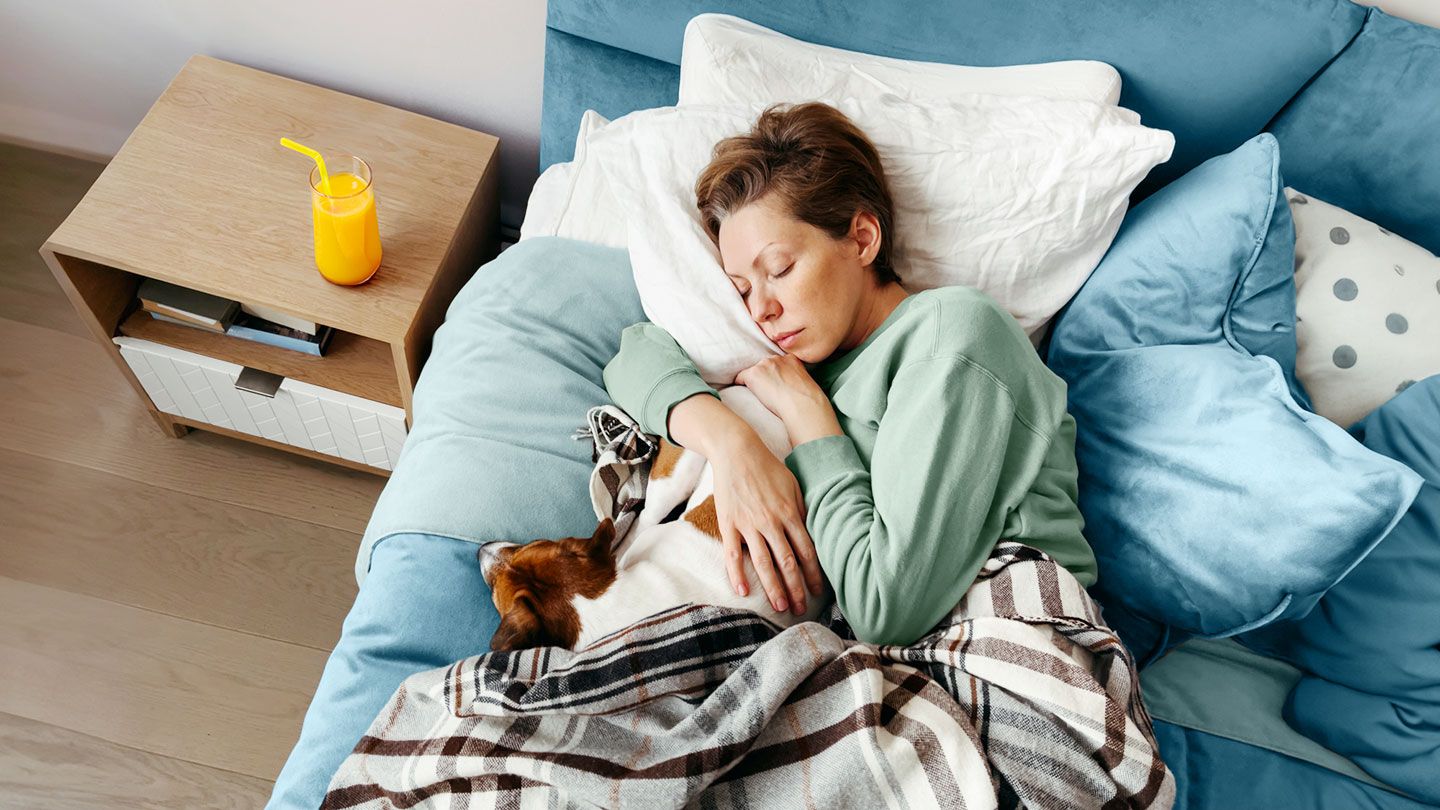
Getting a good night’s sleep can be difficult for people with type 1 diabetes. From controlling high and low blood sugar levels to device alarms and device discomfort, there are many things that can get in the way of quality rest.
Fortunately, there are strategies to address the sleep issues that type 1 diabetics often face and help them have the most restful night possible.
1. Adjust CGM alarm settings
Pediatric endocrinologist Christine Alcala, M.D., clinical co-director of the division of pediatric endocrinology and diabetes at Johns Hopkins Children’s Center in Baltimore, says adjusting nighttime alarms can reduce the frequency of sleep interruptions, saying, “Some CGM devices allow you to customize settings to be different during the day and night.”
To avoid alarm fatigue while being aware of high and low blood sugar levels, she says it’s important to talk to your health care provider about how to customize your alerts at night.
2. Snacks to stabilize blood sugar levels
“If your blood sugar levels are within your target range but tend to drop during the night, eating snacks with high-quality carbohydrates and protein can help stabilize your blood sugar levels,” says Toby Smithson, RDN, CDCES, senior manager of nutrition and wellness at the American Diabetes Association.
However, be careful about late snacking as it may have the opposite effect. Too many carbohydrates can cause your blood sugar to skyrocket overnight, and snacking that requires insulin can cause your blood sugar to drop overnight, putting you on a roller coaster.
“A good snack before bed is one that’s good for the rest of the day, like fiber, protein, healthy fats, and complex carbohydrates, rather than high-carbohydrate foods,” says Dr. Alcala.
3. Try a new device location
Not all CGM or insulin pump locations are equally comfortable. It may sound like common sense, but if your device is uncomfortable all night long, consider wearing it in a new location on your body.
“You need to consider how you sleep,” says Alcala. “If you sleep on your right side, don’t wear it on your right arm. It will disappear overnight.”
The manufacturer’s instructions will tell you where on the body the device can be attached. Some people with diabetes choose to ignore these guidelines and stick the device on different parts of their body, but this does not guarantee optimal results.
“The device is approved for a specific site, but patients will definitely use it in other areas beyond that,” Arcara says. “It’s important to understand what works for each patient.” For people who use insulin pumps and CGMs that communicate with each other, it may be helpful to have both devices on the same side of the body, she says.
4. Don’t overwork compressed bass
If your CGM has ever woken you up with a meaningless low blood sugar alert, you may have experienced low blood pressure. “When people focus on CGM, they get low compression,” Smithson says. “For example, if the CGM is on your upper arm and you are sleeping on your upper arm, you may get inaccurate hypoglycemia results.”
When you wake up due to low pressure, you might be tempted to reach for the juice next to your bed and go back to sleep. However, these lows are not true lows, so consuming fast-acting sugars will cause your blood sugar levels to rise, likely well beyond your target range, and set off another alarm.
“If you get a low temperature warning in the middle of the night…and it doesn’t match your mood, it’s really important to prick your finger,” Alcala says. “If it’s actually low, treat it and repeat the finger stick within 15 minutes.” If the finger stick reading is normal, go back to sleep.
5. Beware of the “pizza effect”
Fatty meals slow the rise in blood sugar levels and can cause a rise in blood sugar levels several hours after eating. Eating a starchy meal like pizza for dinner can cause your blood sugar levels to rise after you go to bed, making it harder to respond to exercise or insulin.
Pay attention to how dietary differences affect you. “Monitor your blood sugar trends based on what you eat and understand which foods or food combinations affect your blood sugar levels,” says Smithson.
If you have an insulin pump with automatic insulin delivery, your system should automatically handle these blood sugar increases. Insulin pumps that are not connected to a CGM also allow you to pre-program your insulin dose if you know your blood sugar levels may rise after bedtime.
If you don’t use an insulin pump or don’t feel comfortable trusting their capabilities and plan to splurge on a fancier meal, consider eating it earlier in the day. This may preserve the ability to respond to subsequent changes in blood sugar levels.
“The approach may vary from person to person,” Alcala says, noting that some people may decide to avoid certain foods completely, while others may only eat them occasionally.
6. Take a tech vacation
If you have type 1 diabetes and want to take a tech leave, you should be used to multiple daily insulin injections and finger prick blood sugar tests.
For some people, the solution may be simpler. “If you feel like taking a break from pumping, talk to your provider,” says Alcala. “Maybe a different pump will work better. Maybe you’ll do better with continuous blood sugar monitor alerts… It really depends on what technology is causing the stress.”
7. Exercise strategically
“Knowing what your body is doing and how it responds to different activities can help you plan ahead to avoid overnight blood sugar problems,” says Alcala.
For example, a person receiving injections may decide to take less long-acting insulin on nights when they exercise. People using pumps or automated insulin delivery systems use special settings designed for exercise. “Turning it on during exercise and leaving it on for several hours afterwards may also be a way to avoid nighttime hypoglycemia,” Alcala says.
Timing your exercise in the morning can also be helpful, as evening or afternoon exercise can increase the risk of overnight hypoglycemia.
8. Keep hyposnacks nearby
“The last thing you want to do when your blood sugar is low and your brain is hungry for energy is to get out of bed and walk downstairs to the kitchen, because sometimes that’s not a safe thing to do,” Alcala says.
Instead, it helps to have something to treat hypoglycemia within reach. “Keep a fast-acting glucose treatment at your bedside, such as glucose tablets, hard candy, or a juice box,” says Dr. Smithson.
9. Fine-tune your basal dose
If you often wake up with low or high blood sugar levels in the morning, it may be time to adjust the amount of basal insulin you use.
Basal insulin is the insulin your body uses in the background throughout the day, whether you eat or not, to keep your metabolism normal. Insulin pumps provide a constant supply of small drops of insulin, which acts as basal insulin, while people who inject them use long-acting insulin, which is formulated to become bioavailable very slowly throughout the day.
Smithson says if you think you need to change your nightly base rate, talk to your provider. “Finding the optimal basal rate for each person is a matter of trial and error,” she says.
“Depending on your pump system, there are different strategies you can use to force your pump to give you a little more gentle blood sugar overnight,” Arcara says.
10. Switching to AID system
An automated insulin delivery (AID) system allows the CGM and insulin pump to communicate with each other, with the goal of keeping blood sugar levels within a target range, Smithson says. “Insulin dosing requires constant thought and adjustment, especially throughout the night and during times when you’re supposed to be sleeping,” she says.
For some people, AID systems can help prevent nighttime hypoglycemia and keep blood sugar levels more stable, resulting in significantly better sleep quality.
“Perhaps the most appealing feature of an automated insulin dosing system is night-time blood sugar management,” Alcala said, as it can reduce how often patients have to wake up in the middle of the night to deal with blood sugar levels.
11. Make safety checks part of your bedtime routine
Having to change insulin or CGM sites during the night can easily disrupt healthy sleep.
A quick check of your condition and diabetes-related equipment before bed can avoid unnecessary nighttime interruptions. “To have a fun night out with diabetes, have a routine to make sure everything is in a safe place,” says Alcala. She suggests checking the following before falling asleep:
- blood sugar level
- Insulin pump charging or pump battery level
- insulin pump reservoir
- CGM status and expiration time
takeout
- Adjust your CGM alarm to reduce nighttime interruptions and place the device on areas of your body that aren’t sleeping to avoid discomfort or pressure loss.
- Stabilize your blood sugar levels overnight with a high-protein, high-fiber bedtime snack, and watch out for the “pizza effect” where high-fat meals cause blood sugar levels to rise long after you’ve fallen asleep.
- Plan the timing of your exercise to avoid late-onset hypoglycemia, and work with your doctor to adjust your basal insulin dose and pump settings on more active days.
- Establish a safety bedtime routine that includes checking all diabetes devices and blood sugar levels, and keep fast-acting blood sugar treatments, such as juices and tablets, right next to your bed in case your blood sugar levels drop overnight.