This World Health Day, we We continue to shine a light on the deep-seated issue of society’s silence around women’s health that continues to impact women’s well-being.
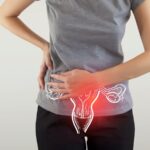
For years, countless conditions that affect women, from menstruation to menopause to pelvic floor disorders, have gone overlooked, understudied, and undiagnosed, leaving women to suffer in silence. While much is changing in the world for the benefit of women, we still have a long way to go to break down the stigma and abandon the shame around these important health issues.
implicit toll
Women’s intimate health continues to be shrouded in stigma, with serious conditions such as endometriosis, pelvic floor dysfunction, and menopausal symptoms often being ignored or inadequately managed. Research shows that the disease, which affects millions of women, receives disproportionately less funding and attention than other health concerns, leading to delayed diagnosis and inappropriate treatment.
Our latest research provides surprising insight into the challenges women face. A study of 4,020 office workers in the UK, Spain, Italy and France found some surprising results. 81% report experiencing menopausal symptoms Fatigue, night sweats, mood swings, etc.But only 43% feel supported by their workplace.
Surprisingly, 24% had to take time off work Due to symptoms associated with menopause, 18% considered quitting their work.
Meanwhile, menstruation remains a taboo topic for many young girls. A separate INTIMINA study of 1,000 girls aged 12 to 17 found that: 65% feel shame Or they may try to hide their periods at school. Only 32% feel comfortable talking about menstruation along with their teachers.
This discomfort continues into adulthood, perpetuating a cycle of misinformation and silence about reproductive health.
Mental health: a major concern for young women
INTIMINA’s survey of Gen Z girls aged 13-20 in the UK, France, Spain and Italy further underlines the urgent need for an open discussion on women’s health. Confidence (63%) and mental health (62%) emerged as the most important aspects However, the ability to stay mentally well is often hindered by the stigma surrounding natural bodily functions.
The main way people manage their mental health is by talking to friends (60%) and family (51%).proving the importance of open, nonjudgmental conversations.
the need for change
“Women’s health is not just a women’s issue, but also a social issue,” says Dunja Kokotovic, Global Brand Manager at INTIMINA. “Too many women suffer in silence, fearing judgment or dismissal when they talk about their symptoms. It’s time to change that narrative.”
“That’s why we at INTIMINA are taking action to break the silence through the following initiatives.” wonder girls guidebooka free educational resource designed to help young girls navigate adolescence without embarrassment. We are also advocating for better workplace policies to support women experiencing menopause and raising awareness about pelvic floor dysfunction, which affects millions but is widely unspoken about,” Kokotović concluded.
Fostering a more open and supportive environment is essential for women’s intimate health. Normalizing these conversations will help advance research, improve access to health care, and ensure women receive the support and understanding they deserve. By openly addressing these issues, society can help break down stigma and build a healthier future for all women.