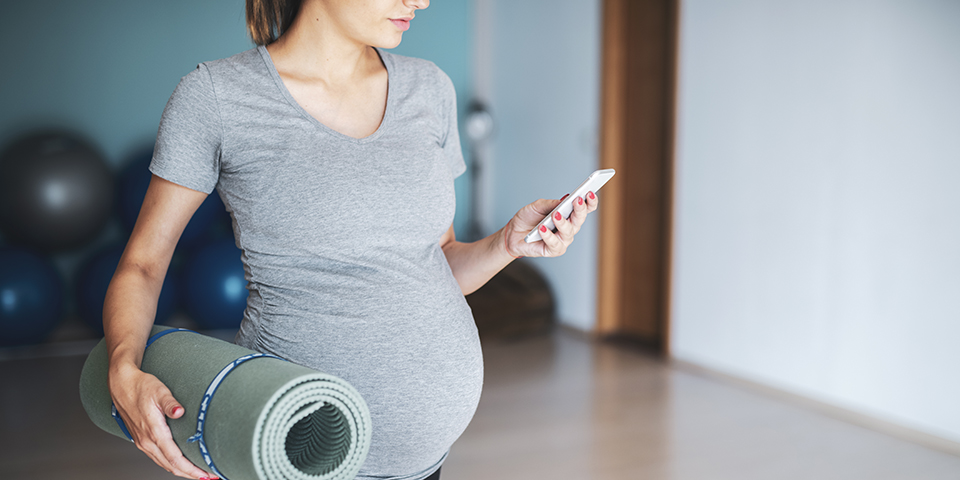
Staying active throughout your pregnancy is extremely beneficial for both you and your baby.
For example, studies have found that regular exercise can help control blood pressure, a major concern during pregnancy, and may shorten labor and reduce the need for C-sections.
One study noted that newborns whose mothers exercised during pregnancy had improved heart health and reached physical milestones sooner than babies whose mothers didn’t exercise.
These researchers concluded that being active during pregnancy can even potentially reduce the risk of childhood obesity by helping children move faster and lead more active lives.
However, this does not mean that all exercises are appropriate for all trimesters.
Here’s a quick guide to working out during pregnancy, including exercises to consider and exercises to avoid.
Consider: 3 semester-specific trainings
Elanit Sellers, CPT, says your body changes a lot in 40 weeks, so you’ll need to change up your workouts along the way.
For example, in early pregnancy, it’s best to avoid twisting or sudden jerky movements that can put additional stress on your joints, she says.
After the early stages of pregnancy, sleeping on your back may become uncomfortable.
“In the supine position, the pressure of the expanding uterus can restrict venous flow,” Sellers says. “It can cause dizziness, nausea, and shortness of breath. Never do sit-ups while lying on your back.”
Avoid: Sharp changes of direction and excessive exertion.
No matter what semester you’re in, your body shape and center of gravity change, Sellers says. As your pregnancy progresses, your risk of falling may increase.
“Never put your abdomen at risk of trauma,” she says. “Slow down and be smart.”
Slow movements also help maintain an appropriate speed of perceived movement, she added.
Try to hold your breath during the activity and be careful not to overdo it. Sellers says there’s an easy way to track this. Just try talking.
“When you’re pregnant, you want to be able to talk while exercising,” she says. “If you can’t do that, you might be trying a little too hard.”
Consider: Pregnancy-Specific Training
Walking, swimming, and low-impact group fitness classes are activities you can do at any time during your pregnancy.
Consider pregnancy-specific training during the second and third trimesters.
For example, yoga is great for keeping you mobile and flexible, but some poses can put pressure on your abdomen.
That’s why it’s worth following classes specifically designed for each stage of pregnancy.
The best workouts during pregnancy are aimed at keeping you safe and active.
It also makes exercise fun and uplifting, rather than just adding one more thing to your long daily to-do list during pregnancy.
Avoid: Extreme sports and hot yoga
Personal trainer and group fitness instructor Amanda Katz, CPT, points out that certain exercises are inherently risky, even if you’re not pregnant.
That includes extreme conditions activities like skiing, mountain biking, horseback riding, speed skating, and even hot yoga, she says.
Avoid anything that involves large changes in altitude during pregnancy.
“And, of course, be sure to consult your doctor before starting any exercise program,” says Katz. “This allows us to travel in the safest way possible.”
Consider: Barre Blends
Prenatal and postnatal barre blends are also a great option during pregnancy.
This comprehensive program features safe, effective, and low-impact training designed to optimize every stage of pregnancy and the transition into the postpartum period.
This program combines elements of ballet barre, Pilates, and aerobic interval training into over 20 simple workouts that deliver maximum results without a huge time investment. This is a big plus, especially if you have a newborn.