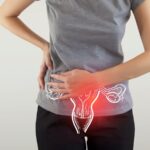
Pelvic Floor Health Screening for Women: Learn about symptoms, risk factors, and proactive measures to maintain pelvic health.
I leak urine when I laugh. You have a constant urge to go to the bathroom or feel bloated in your lower abdomen for no reason. Most women notice these symptoms and experience them as “normal.” But all of these issues are tied in some way to pelvic floor health. Most causes are physiological changes such as aging, childbirth, menopause, and hormonal changes. Be aware of any of these symptoms and don’t ignore them. If the problem is detected early, there is an opportunity to prevent or treat the problem. These are not part of a regular medical checkup, so there is often a delay in getting help.
What is the pelvic floor?
The pelvic floor muscles are made up of all the muscles and tissues that form a “suspension” beneath the pelvis. It helps keep the uterus (which holds the fetus), bladder (which holds urine), and rectum (at the end of the intestines) in place. When the pelvic floor muscles become weak, overcontract, or have problems adjusting, it can lead to pelvic floor dysfunction. Pelvic floor dysfunction is a term used to describe when the pelvic floor muscles do not perform their function.
What are the symptoms of pelvic floor dysfunction in women?
Many women ignore symptoms of pelvic floor dysfunction, believing that it is a natural phenomenon of aging or a result of childbirth.
Common signs of pelvic floor dysfunction include:
- Urinary incontinence, or leaking urine when coughing, laughing, or exercising
- Frequent urination
- unable to control bowel movements
- Pelvic organ prolapse, a condition in which the pelvic organs drop downwards due to muscle weakness, causing a bulging sensation.
- sexual pain
- persistent pelvic pain

What are the risk factors for pelvic floor disease?
Pregnancy, vaginal delivery, and menopause are the most common risk factors for pelvic floor disease. However, this does not mean that these are the only things that put women at risk for pelvic floor dysfunction. “Other risk factors for pelvic floor dysfunction include being overweight, chronic coughing, heavy lifting, a sedentary lifestyle, and high-impact exercise,” says Dr. Jain. Even women who have not had children can have pelvic floor problems.
Is pelvic floor dysfunction permanent?
Screening for pelvic floor problems is a very simple and painless procedure that just involves talking about your problem and doing a physical exam. In some cases, imaging tests may also be done. Early identification of underlying diseases allows for early treatment.
How to cure pelvic floor dysfunction in women?
Women can also undergo a pelvic floor muscle screening test as part of their regular health checkup. This allows doctors to detect pelvic floor muscle weakness long before urinary incontinence or leakage occurs. By identifying potential problems and taking proactive steps (for example, learning to practice Kegel exercises), you can prevent these problems from occurring in the future.
What is the best treatment for pelvic floor dysfunction?
Fortunately, most pelvic floor conditions are treatable. This can range from pelvic floor physical therapy such as Kegel exercises to strengthen the pelvic floor muscles, to lifestyle changes and the use of assistive devices such as pessaries. Women may feel ashamed of their condition. However, it is essential to understand the importance of this aspect of health. This condition can have long-term effects on quality of life.