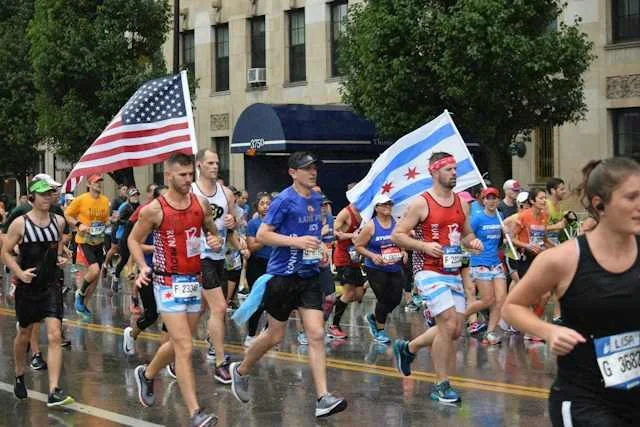
Embarking on the journey from a sedentary lifestyle to completing a marathon is an exhilarating challenge. It requires physical stamina and the wisdom to overcome common setbacks, such as persistent foot and ankle pain. The path from casual jogging to marathon running comes with potential problems for your feet and ankles. These can range from mild discomfort to debilitating pain, often derailing your training plan and depressing your mood. To deal with these challenges, it’s important to understand the causes, take preventive measures, and know when and how to seek professional help.
The importance of proper shoes
Choosing the right running shoes is critical to marathon success and foot health. Shoes that provide the right balance of support, cushioning, and fit greatly reduce the risk of foot and ankle injuries. It’s important for runners to understand their foot type – flat, neutral or high arch – and choose shoes that meet their specific needs. We recommend replacing your running shoes regularly. Over time, shoes lose their cushioning and support, increasing the risk of injury. A good rule of thumb is that they should be replaced every 500-800 km.
precautionary measures
Preventing foot and ankle injuries starts with a well-structured training plan. Gradually increasing your mileage and intensity allows your body to adapt without putting too much stress on your feet and ankles. Incorporating strength training and flexibility exercises that specifically target these areas can greatly increase your recovery.
It is essential to pay attention to the driving surface. Varied terrain helps distribute impact more evenly, but constantly riding on hard surfaces like asphalt can increase your risk of injury. Cross-training, combined with low-impact activities like cycling and swimming, reduces stress on your feet and ankles and provides a balanced approach to building overall fitness and endurance.
seek professional help
If your foot or ankle pain persists, it is important to consult a medical professional. A general practitioner, sports doctor, or podiatrist will make a diagnosis and recommend an appropriate course of action. Ignoring pain or self-medicating without professional advice can lead to more serious injuries and prolong recovery time.
These professionals can also guide runners to modify their training routines and suggest effective pain management strategies. In some cases, we may refer you to a specialist for advanced treatment or rehabilitation programs. Early intervention not only helps with faster recovery, but also teaches runners how to prevent similar injuries from occurring in the future.
Custom Orthotics: A Viable Solution
For many runners, especially those with specific biomechanical issues, custom-made orthotics can be a lifesaver. These personalized shoe inserts are designed to support and adjust your feet and ankles, reducing stress on these areas. Specialists like Lower Limb Clinic can provide customized solutions that address your individual needs and improve your overall running efficiency.
Insoles work by correcting abnormal foot mechanics, distributing pressure more evenly and absorbing shock. This greatly reduces pain and discomfort, especially for those with flat feet, high arches, or pronation issues. Consulting with a podiatrist or orthotist is the first step in determining whether custom orthotics are the right choice for you.
alternative therapy
Exploring alternative treatments can also be beneficial in managing foot and ankle pain. Treatments such as acupuncture, yoga, and Pilates are expected to reduce discomfort and improve flexibility and strength. These treatments complement traditional medical treatments and provide a holistic approach to recovery and prevention.
Massage therapy, in particular, is very effective in relieving tension in the foot and ankle area, improving circulation and promoting healing. Additionally, incorporating stretching and strengthening exercises as part of your daily routine will greatly enhance the resilience of these areas and reduce the likelihood of future injuries.
rest and recovery
Getting enough rest may be the most effective treatment for foot and ankle pain. This allows your body time to heal naturally without additional stress. During your downtime, you can maintain your overall fitness through alternative low-impact exercises like swimming, cycling, or elliptical training.
It’s also important to listen to your body and not rush back to intensive training. Gradually returning to running while consistently monitoring how your feet and ankles respond will help you get back on track safely. Proper rest and recovery is essential not only for injury healing but also for preventing recurrence.
Build backups gradually
Once recovery begins, it’s important to slowly and steadily rebuild your running endurance and strength. Gradually increasing mileage and intensity will help avoid overloading healing tissues. Setting realistic goals and being patient with your progress are the keys to getting back into marathon training.
Incorporating a variety of running drills, such as hill repetitions, speed training, and slow, long runs, will help you gradually strengthen your feet and ankles. Monitoring pain and fatigue levels at this stage is critical as it will guide any necessary adjustments to training intensity and volume, ensuring a balanced and injury-free training experience leading up to race day.
summary
Persistent foot and ankle pain can be a troublesome obstacle for marathon runners. However, with the right knowledge, prevention strategies, and expert guidance, these challenges can be overcome. Taking a comprehensive approach that includes the right footwear, custom orthotics, alternative therapies, and a smart training plan can lead to a pain-free and rewarding marathon experience.