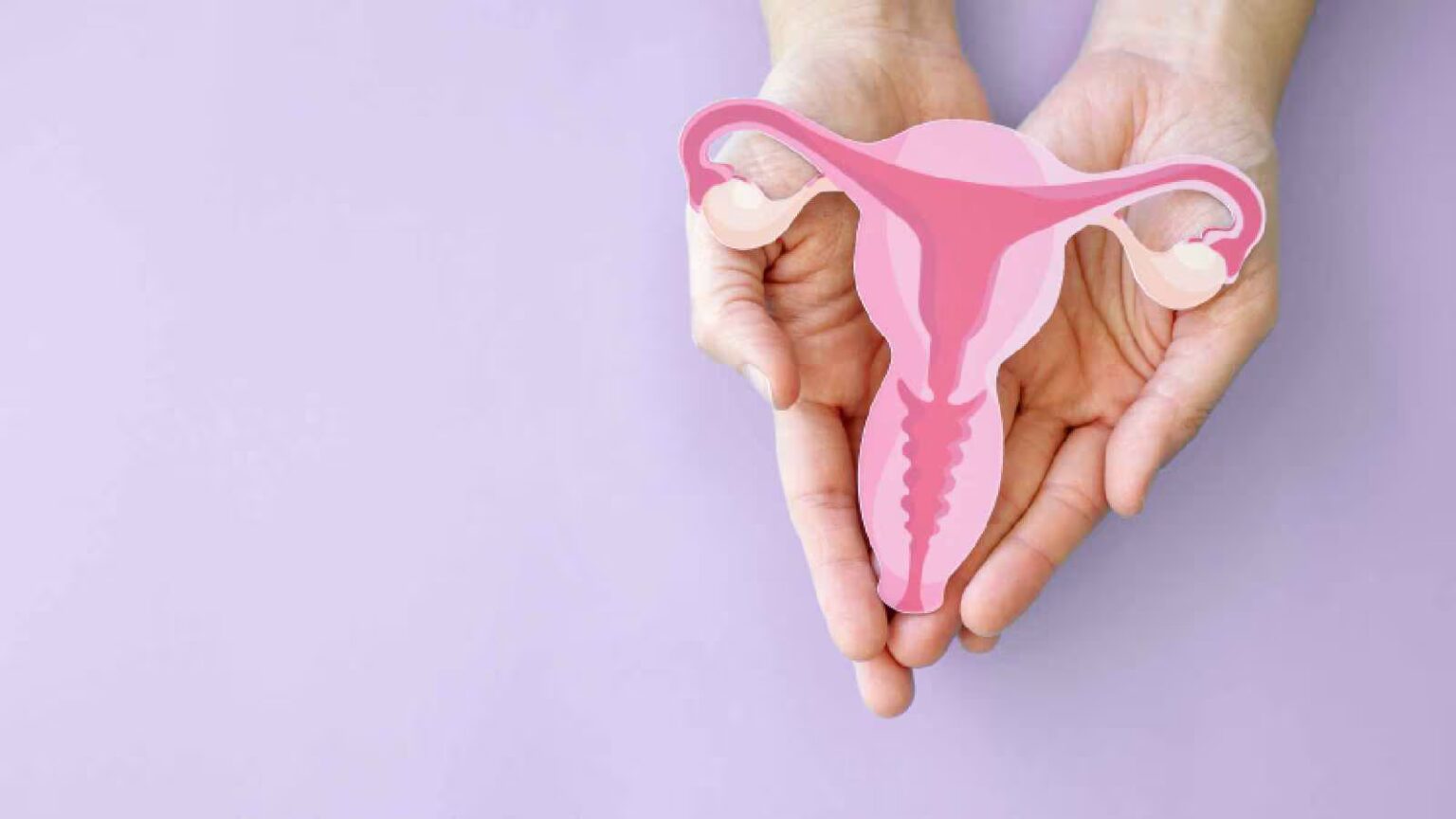
From symptoms to management strategies, how does teenage PCOS affect my daughter’s health and why is an open conversation important for support?
Parents often take on many roles, including teacher, advisor, and friend. But talking about menstrual health can often feel awkward, even though it shouldn’t. Many families only address these topics when there is an obvious problem, such as a missed period or sudden weight gain. This can lead to delayed diagnosis of health problems such as polycystic ovary syndrome (PCOS) in adolescent girls, who may end up dealing with physical and psychological side effects without getting the information and support they need. It’s important to understand PCOS because it’s a hormonal disease that starts in teens and affects your overall health.
Is it normal for teenage girls to have irregular periods?
For many teenage girls, irregular menstrual cycles feel like a normal part of growing up, and it’s easy to think that missed periods and weight changes are just part of puberty. “But for some girls, these signs may mean they have an underlying hormonal imbalance known as PCOS, which affects about one in 10 women of reproductive age,” says Dr. Shweta Mendiratta, an obstetrician and gynecologist at Yatarus Hospital in Faridabad.
If a girl has irregular periods or waits more than 2-3 years after they start, this is a red flag. “Other symptoms to look out for include persistent acne, excessive hair growth, thinning of the scalp, and unwanted weight gain,” says the obstetrician. These signs may indicate PCOS. Parents should monitor these symptoms and seek medical attention instead of giving false reassurance.
Signs of PCOS
Many teenage girls may ignore certain physical symptoms, thinking they are just typical adolescent problems. For example, acne that doesn’t respond to regular skin care can be a sign of PCOS. “Also, if you gain weight for no reason, especially in your abdomen, or develop dark spots on your skin called acanthosis nigricans, you may be indicative of insulin resistance associated with PCOS,” says the gynecologist.
Many young women experience the condition, but it is often viewed as simply a cosmetic issue or caused by lifestyle choices. This misconception can lead to delays in diagnosis and treatment, leaving many young women unaware of their condition into adulthood.

What are the body image issues with PCOS?
Adolescence is a difficult period when young girls become increasingly aware of their own perceptions. “Social pressures around beauty and body image can have an impact, especially if you have PCOS symptoms such as acne or unwanted hair,” says Dr. Mendiratta. The research journal Medicine shows that teenage girls with PCOS are more likely to experience anxiety, depression, and social withdrawal.
Despite the importance of discussing mental health during medical appointments, people often overlook it. “It’s important to recognize and address the emotional issues that accompany mental disorders,” says the obstetrician. This is just as important as treating the physical symptoms of the disorder.
Effects of PCOS
PCOS doesn’t just affect reproductive health. This is closely related to insulin resistance and can subsequently lead to obesity, prediabetes, and type 2 diabetes. “Long-term problems can include heart problems and fertility issues, and family members and health care providers can help correct hormonal imbalances before serious problems occur,” says the gynecologist. Monitoring symptoms and seeking professional advice early can improve the health of girls with PCOS.
Can PCOS go away with lifestyle changes?
Managing PCOS (polycystic ovarian syndrome) in teenagers doesn’t necessarily mean starting medication right away. Research from the American Psychiatric Association shows that lifestyle changes can reduce symptoms. “A balanced diet, regular exercise, quality sleep, and stress management are important to balance hormones and improve insulin sensitivity,” says Dr. Mendiratta. Many teens see improvements through lifestyle changes. “For people who still have symptoms, doctors may recommend medication,” experts say. In this way, treatment can be customized to each person’s needs.
What is the best way to manage PCOS?
Parents need to be involved to effectively manage PCOS. Talking openly about menstrual health can help daughters share their concerns. “By encouraging conversations about periods, rather than treating them as taboo, you can identify irregular patterns sooner,” says the doctor. Teachers and health professionals can play an important role in this effort, making it easier for young people to seek help without shame.