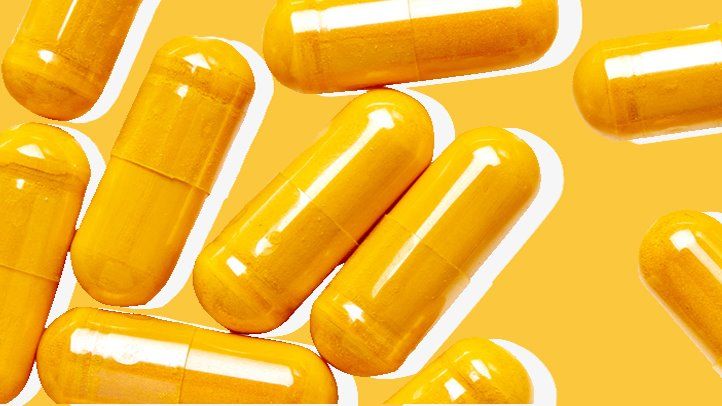
Suggested health benefits of berberine
According to MedlinePlus, research shows that berberine may be effective against high cholesterol, high blood pressure, polycystic ovary syndrome (PCOS), and skin conditions such as burns and canker sores. It has also been shown to be helpful for patients with type 2 diabetes, as it appears to help regulate blood sugar levels, notes MedlinePlus. Although researchers have discovered this effect, it is not known exactly why it has such anti-diabetic properties, according to the aforementioned studies. biochemistry and cell biology.
Research on whether berberine can treat type 2 diabetes
Many of the studies conducted on berberine have investigated its effects on people with type 2 diabetes. Below are some studies and their results.
May lower blood sugar levels
of biochemistry and cell biology Research indicates that berberine not only has antioxidant and anti-inflammatory properties, but may also help reduce insulin resistance, a hallmark of type 2 diabetes. Researchers noted that taking berberine alone or as an add-on therapy to other diabetes treatments may be beneficial. The researchers concluded that berberine may be a good treatment option to try before insulin therapy (under a doctor’s supervision, of course) and may have better results than metformin, which is generally the first-line treatment for type 2 diabetes.
May reduce A1C
A systematic review and meta-analysis that examined 37 studies published in 2022 concluded that berberine helps lower hemoglobin A1C levels and is safe to use. Other studies have found that berberine not only lowers blood sugar levels, but also lowers A1C, triglyceride, and insulin levels in people with type 2 diabetes. According to the American Diabetes Association, A1C is the average blood sugar level over two to three months and is a test used to diagnose diabetes.
May improve fasting and postprandial blood sugar levels
Research shows that berberine can lower fasting and postprandial or postprandial blood sugar levels by more than 30%. These are other markers for blood sugar control.
Bonus advantage: Affordable price
One study notes that berberine is typically inexpensive, which may make it an attractive option for diabetics in low-income areas.
Scientifically proven effect of berberine in preventing type 2 diabetes
“Nobody wakes up one day and has diabetes. It’s a slow process,” Foroutan says. “Once hemoglobin (A1C) levels begin to approach the pre-diabetic range, people can take action.” According to the Mayo Clinic, hemoglobin is a protein in red blood cells that carries oxygen, and A1C measures how much of the hemoglobin is covered in sugar (glycosylated hemoglobin).
A study in rats found that berberine may help protect against diabetes because it can increase insulin expression, regenerate B cells (which lose function as diabetes progresses), provide antioxidant properties, and reduce lipid peroxidation, a marker of oxidative stress. Other studies have linked oxidative stress to cell damage and various chronic health conditions.
Research on berberine has been conducted in rats, and research into berberine’s protective effects in humans is ongoing, but a related study published in 2021 showed some promise. This study found that berberine actually increases insulin secretion in humans, but only in hyperglycemic states. Still, its ability to reduce hypoglycemia may make it safer than some diabetes drugs.
Related: Complete Guide to Type 2 Diabetes Diet
Side effects and interactions between berberine and diabetes medications
Lynn Grieger, RDN, CDE, a certified diabetes educator based in Prescott, Arizona, says one of the concerns about berberine is the fact that it is a supplement and the supplement industry is not well regulated. “When you buy supplements, you never know exactly what’s in them, so you have to be careful about that,” she says.
A typical dose of berberine is 500 milligrams (mg) two to three times a day, Forutan said, and there are some side effects to monitor. One study found that berberine is generally well tolerated, but some people have experienced nausea, vomiting, diarrhea, or constipation. In high doses, headaches, skin irritation, and bradycardia (a clinical term for slowed heart rate) may also occur. Digestive problems should resolve within a few days to a week, Foroutan said, and you may be able to start with 500 mg once a day and increase the amount once your body gets used to it. (Everyone is different, so be sure to ask your health care team what dose is right for you.) In general, however, studies have shown that berberine is safe and generally well tolerated by most people.
Medline Plus says berberine can help lower blood sugar levels, but for people who control their blood sugar with insulin or other medications, it can lower blood sugar levels too low and cause problems. “Berberine appears to lower blood sugar levels in some people, so if you’re taking metformin, for example, and you add a berberine supplement to that, your blood sugar levels may drop lower than you’d like,” Grieger says.
Finally, berberine may interact with certain medications. Doctors typically ask what medications you’re taking, but Grieger says they often list only prescription medications and don’t mention supplements. “People feel that herbs and supplements are inherently safe,” she says. However, this is not always the case. Therefore, Grieger recommends consulting both your doctor and pharmacist before taking any type of supplement containing berberine.
Related: 7 popular supplements with hidden dangers
Known drugs that interact with berberine
According to MedlinePlus, research has shown that berberine may interact with other drugs, including:
warfarina blood-thinning drug sold under the brand names Coumadin and Jantoven.
Diabetic drugsThis is because your blood sugar levels may drop too low. First, check with your doctor to see if you need to change the dosage of your diabetes medication. And carefully monitor your blood sugar levels.
cyclosporinea type of drug prescribed to patients who have undergone organ transplants. (The brand name is Restasis.) Berberine may slow the breakdown of cyclosporine in the body.
You should also be careful if you are taking drugs that are altered by the liver, sedatives, or drugs that slow blood clotting, according to MedlinePlus.
Related: Possible benefits of metformin for type 2 diabetes and beyond
Groups who should not take berberine due to health risks
According to Medline Plus, it is generally safe for adults to take berberine for short periods of time, but there are a small group of people who should not take it.
pregnant and lactating women If a mother takes berberine during pregnancy, it can harm the fetus, and if an infant is exposed to berberine through breast milk, a type of brain damage called kernicterus can occur.
newborn Infants are at risk for the brain injuries listed above. Berberine may also slow the process by which your liver removes bilirubin, a chemical created by breaking down red blood cells. This can also cause brain problems.
One last thing about using berberine to manage type 2 diabetes.
Berberine is a supplement that recent research has shown to be effective in treating type 2 diabetes due to its blood sugar-lowering properties. Although they are generally well-tolerated, affordable, and effective for some people, they are not without side effects and risks. Be sure to consult your doctor or pharmacist before taking this medicine.