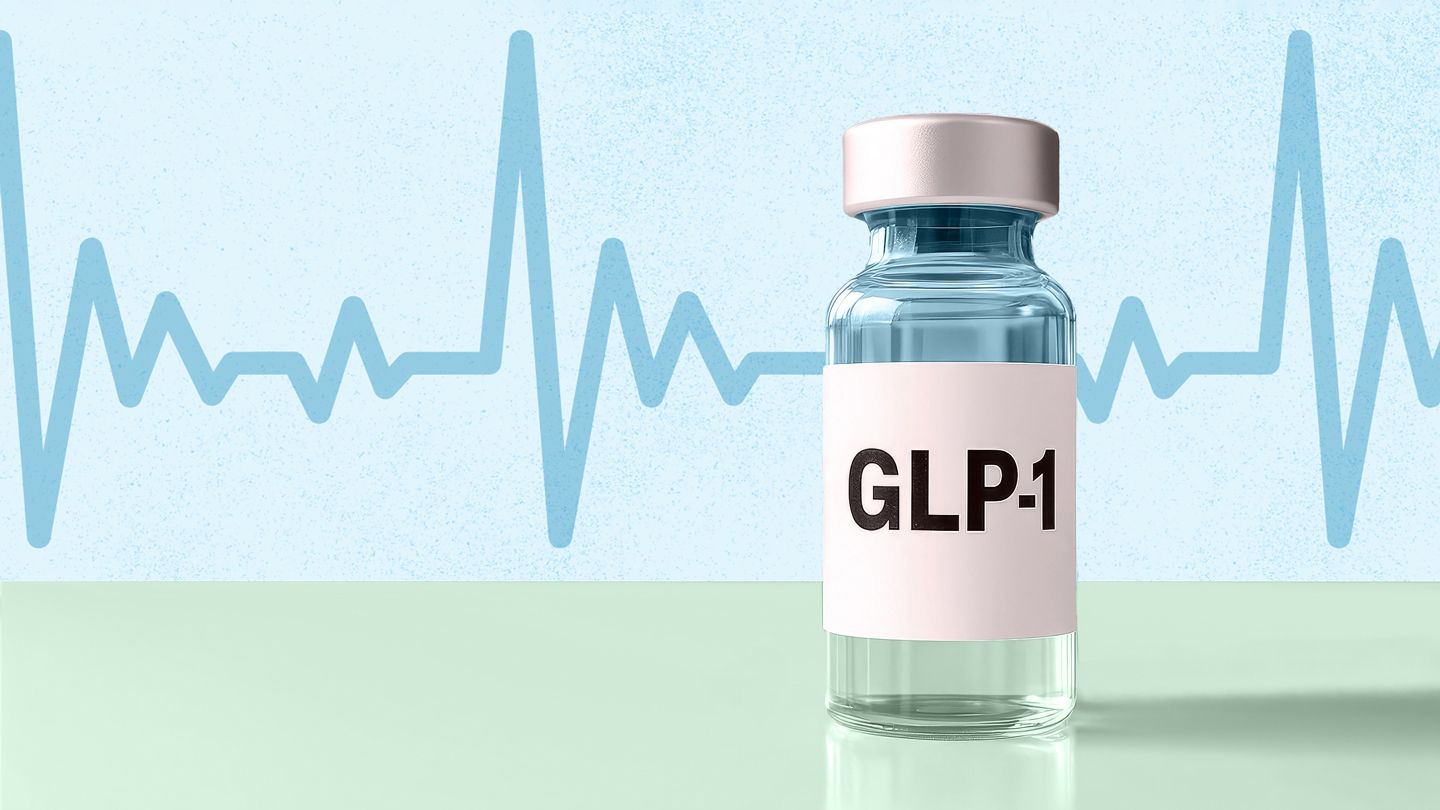
Currently, one in eight American adults takes GLP-1 drugs to manage diabetes or obesity. Both clinical and real-world results show that these drugs may improve heart health, but a new study also found a downside. People who stop taking the drug quickly lose these improvements and may be at a higher risk of heart attack, stroke, and even death than those who continue taking it.
“When people take these drugs, all the beneficial things happen: better blood pressure, lower cholesterol, lower insulin resistance,” says Ziyad Al Ali, MD, PhD, senior author of the study. He is a clinical epidemiologist at WashU Medicine and director of research and development services for the VA St. Louis Healthcare System in Missouri.
“If you stop taking the drug, you expose your body to whiplash, which puts stress on the heart, which negates many of the cardiovascular benefits,” Dr. Al-Aly says.
Here’s what the study found and what doctors want people with a history of heart disease to keep in mind before starting one of these drugs.
Suspension of GLP-1 therapy had consequences
People who continued to take GLP-1 drugs had an 82 percent lower risk of cardiovascular events such as heart attack, stroke, and death over the three-year study period compared to those who took sulfonylurea drugs.
However, those who discontinued or paused GLP-1 for 6 months had a significantly increased risk of major cardiovascular events.
They also had a 4 percent higher risk of cardiovascular disease than those who continuously took sulfonylureas. The risk difference increased to 14% one year after GLP-1 was stopped and up to 22% after two years.
“Even short-term discontinuation or discontinuation can lead to gradual impairment of function, ultimately abrogating this protective function and increasing the risk of cardiovascular events,” the researchers wrote.
Cardiac protection is likely to be ineffective for several reasons
GLP-1 drugs can support heart health in several different ways. “It’s a combination of many phenomena, including weight loss and improved insulin sensitivity,” says Chen-Han Chen, MD, an interventional cardiologist and medical director of the Structural Heart Program at MemorialCare Saddleback Medical Center in Laguna Hills, California. “This can lead to improved cholesterol levels, reduced inflammation in the body, and other mechanisms that support heart health.”
Dr. Chen says it’s not surprising that these benefits are lost when you stop taking the medication, especially if you don’t make dietary or lifestyle changes that support heart health.
Al-Aly says this reversal may be related to weight regain, but it could mean more than that. “We call this ‘metabolic reversal,'” he says. “Your body is already used to lower insulin resistance, lower blood pressure, and lower cholesterol. When you stop the drug, you experience whiplash that puts stress on your heart.”
When you stop taking GLP-1, your cholesterol levels and markers of inflammation in your body can spike, which can put a strain on your cardiovascular system, Al-Aly says.
Turning GLP-1 on or off may reduce potential heart health benefits
Participants who stopped and restarted GLP ultimately did not return to the level of cardiac protection achieved by those who continued to take the drug. The exact reason for this is not clear.
“The study may not have been long enough to show all the beneficial effects over time,” Chen says.
But Al-Aly says there may be more to it than that. “What we’ve seen is that it takes a lot of time for people to build up cardiovascular protection, and half as long to build it back up,” he says. “What takes a person a year to build can be built back within six months of being stopped.”
Mir Ali, MD, medical director of MemorialCare Surgical Weight Loss Center at Orange Coast Medical Center in Fountain Valley, California, says the effects of turning GLP-1 on and off can be too much for the body to tolerate. “Once you take the inflammatory damage that comes from coming off these drugs, it becomes difficult to overcome,” he says.
What this means for GLP-1 users
Cost and lack of insurance coverage often lead people to continue using GLP-1 drugs. “A lot of people are excited to use these shots, but some have to pay $400 a month to maintain them. That’s a car payment,” Al-Aly says.
Al-Aly emphasizes the importance of talking with your health care provider about your goals and whether you can maintain them once you start the medication. “These drugs aren’t really short-term,” he says. “When people start a journey and stop, they can end up in a much worse place.”
If you have already started taking GLP-1 and are unable to continue, Al-Aly recommends talking to your health care provider about your options. “You can also de-escalate and switch to a lower maintenance dose, which is often cheaper,” he says. “But the evidence shows that if we stop completely, we will lose many of the gains we have made.”
Ali also points out that new drugs are emerging. “We’d like these to be cheaper, but we don’t know yet,” he says.