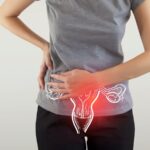
Sex after menopause can be both physically and mentally challenging for women. A gynecologist and psychiatrist share tips to ease this transition.
Sex after menopause doesn’t have to be postponed, but it’s a truth that many women face quietly. Menopause, when a woman’s menstrual cycle ends permanently, often brings with it a wave of unexpected changes, including vaginal dryness, decreased sex drive, and emotional fluctuations, which can make intimacy feel unfamiliar or even uncomfortable. Experts say that with the right information, a little patience and confidence, it’s possible to reconnect physically and emotionally with your partner. Find out what actually happens to your body when you hit menopause, and how to overcome desire, dryness, and deeper connection after 45.
What happens to sexual desire after menopause?
When a woman reaches her mid-40s or later, her body undergoes various hormonal changes associated with perimenopause and menopause.
“Levels of estrogen, progesterone, and testosterone begin to drop significantly. Estrogen plays an important role in maintaining vaginal health, lubrication, and elasticity. When estrogen decreases, physical changes occur, such as vaginal dryness, thinning of the vaginal walls, and decreased blood flow, which increases arousal and comfort during sex. “Progesterone and Progesterone” explains these changes. “Testosterone also affects libido and overall sexual response, so a decrease in testosterone can lead to decreased desire and less spontaneous interest in sex. ”
Sex and menopause: side effects on sexual health
Common sexual health issues that women face after menopause include:
1. Vaginal dryness
Facing vaginal dryness is one of the most common experiences for women after the age of 40-45. “This happens because estrogen helps maintain the natural lubrication and structural integrity of vaginal tissue. As levels decrease, the vaginal walls become thinner, less elastic, and more fragile. These changes can make intercourse uncomfortable or even painful for some women,” says Dr. Rubina.
2. Decreased libido or libido
This occurs due to decreased blood flow to the vaginal area, which affects sensitivity and arousal.
3. Changes in vaginal pH
Changes in the vaginal pH balance increase the risk of inflammation and infection. While maintaining overall hydration can help to some extent, topical treatments such as estrogen creams and lubricants are often needed to reduce discomfort and improve sexual well-being.
4. Painful sex
After the age of 45, many women experience painful intercourse due to a condition known as vaginal atrophy, or more broadly menopausal urinary syndrome (GSM). This occurs due to decreased estrogen levels, causing thinning, dryness, and inflammation of the vaginal tissues. As a result, sex can become uncomfortable or painful.
“Women often wonder if it’s normal to lose interest in sex after menopause. The short answer is, yes. It’s natural and a common experience. Drops in hormones have a direct impact on sexual desire, specifically a decline in estrogen and testosterone, both of which are related to sex drive. Emotional and psychological aspects such as stress, body image concerns, or changes in partner dynamics can also contribute to this change in interest. Additionally, when sex becomes physically uncomfortable, women may unconsciously become interested in it. ”
However, decreased sexual interest does not mean the end of intimacy or pleasure. Many women feel that with the right medical, emotional, and relationship support, they can rediscover or redefine their sex lives after menopause.

What can I do to increase my sexual desire during menopause?
Open communication with your partner, using vaginal moisturizers and hormone therapy, and even simple lifestyle changes can make a big difference. There are several effective treatments available to alleviate discomfort and restore sexual pleasure.
- Water-based lubricants and vaginal moisturizers provide instant relief from dryness.
- Topical estrogen therapy (creams, rings, tablets, etc.) can help rebuild vaginal tissue over time.
- A non-hormonal option, DHEA is also available in suppository form and has been shown to improve lubricity and sexual satisfaction.
- Other non-hormonal approaches include laser therapy, pelvic floor therapy, and mindfulness-based sex therapy. Each woman’s needs are different, so working with your gynecologist can help develop the right treatment plan.
The relationship between menopause, mental health, and sex
Psychiatrist Dr. Sachin Baliga told Healthshot that the emotional and psychological toll of menopause can be just as impactful as the physical changes.
“Hormonal changes can cause mood swings, anxiety, and even depression, all of which lead to decreased sex drive. When you feel emotionally disconnected or overwhelmed by life’s demands, intimacy can feel like a burden rather than a joy,” he says, adding that many women suffer painful sex in silence from their mid-40s onwards.
Mental health plays an important role in sexual desire, and seeking support through therapy, support groups, and open conversations can help alleviate sexual desire.
Menopause can also deeply impact a woman’s body image and self-image.
“Weight gain, hot flashes, and other visible changes can reduce body confidence and self-esteem. In addition, the lack of the protective effects of estrogen that she has had over the years makes her more susceptible to mental illnesses such as depression and anxiety,” Dr. Barriga added.
These changes can affect intimacy, making you feel less attracted to and connected to your partner, not just physically but emotionally.
Communication and reassurance from loved ones play an important role, as does self-compassion.

Tips for sex after menopause
Simple lifestyle changes can greatly improve your sexual health and overall well-being by supporting hormonal regulation. These habits include:
- Keep your body active to increase blood flow and energy levels
- Practicing stress-reducing activities like yoga, meditation, and walking outdoors can improve your mood and body awareness.
- eat a balanced diet
- Stay hydrated
- Get enough sleep
- foster emotional intimacy
- create intimate time