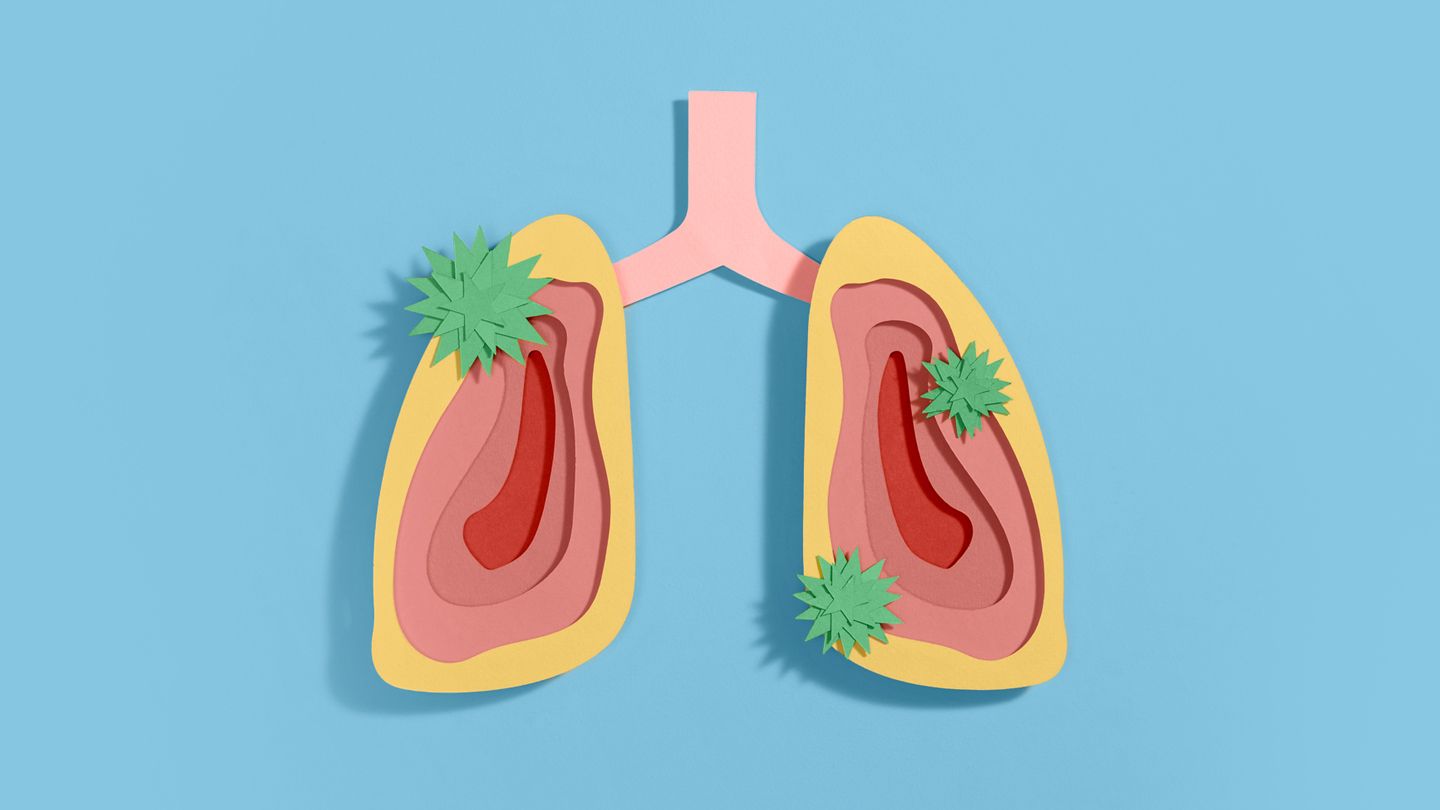
Could a particularly bad respiratory infection trigger lung cancer?
“This is further evidence that respiratory viruses may be associated with more than the infection itself,” says Dr. James DeGregoli, professor of biochemistry and molecular genetics at the University of Colorado Anschutz School of Medicine and interim director of the University of Colorado Cancer Center in Aurora, Colorado.
Professor DeGregori studies the effects of respiratory viral infections on dormant cancer cells, but was not involved in this study.
How respiratory viral infections promote the development of lung cancer
To assess how lung damage from respiratory diseases affects cancer risk in the long term, researchers examined the effects of severe COVID-19 infection and influenza in both mice and humans.
First, the researchers determined that mice that experienced severe lung infections due to influenza or the new coronavirus were more likely to later develop lung cancer and were more likely to die from lung cancer.
To see if severe respiratory infections in humans have a similar effect, researchers looked at data that included 76 million adults in the United States, Lebanon, and Saudi Arabia by 2022 who were hospitalized with COVID-19 but had no history of cancer. The scientists tracked the subjects’ health data from that point on, including any new cancer diagnoses.
Researchers observed that people who were hospitalized with COVID-19 were more likely to be diagnosed with lung cancer, with a 24% increased risk regardless of whether they were smokers, had a history of smoking, or had other health conditions that could increase the likelihood of lung cancer.
“This appears to be a fairly significant increase in lung cancer, especially considering the relatively short time period,” says study author Jie Sun, Ph.D., professor of medicine at the University of Virginia School of Medicine in Charlottesville, Virginia, and co-director of the Beirne B. Carter Center for Immunology Research.
“The COVID-19 pandemic provided us with a unique context to study this because so many people were infected and sick with the same virus at the same time,” Dr. Sun says.
Viruses can cause inflammation and open the door to cancer
Severe viral infections cause changes in immune system cells that normally protect lung tissue, DeGregori said. This chronic inflammatory state may make you more susceptible to cancer later in life.
“These findings essentially point to a ‘memory’ function within the lung environment, meaning that the lung environment appears to have been switched by this infection, and that switch within the lungs is more conducive to cancer development and progression,” he says.
When it comes to respiratory diseases, studies have also linked COVID-19 to various cancers, with a recent finding that viral respiratory infections can awaken dormant cancer cells in the lungs, accelerating the growth of previously established lung cancers.
The new study has some limitations.
Sun said this study is the first to establish a causal link between past viral infections and the development of lung cancer. However, this study has some limitations.
For example, participants who were hospitalized or diagnosed with COVID-19 before January 2022 were more likely to have received medical imaging or follow-up care, which may have influenced the results, said Dr. Charlotte Cooperwasser, a professor of developmental, molecular, and chemical biology at Tufts University School of Medicine in Medford, Massachusetts, who studies the link between COVID-19, vaccination, and cancer risk.
““This would have increased the possibility of imaging and incidental findings. Additionally, patients who developed severe COVID-19 infection may have already had undiagnosed lung cancer, precancerous lung lesions, chronic lung disease, or immune dysfunction, which is why they developed such severe cases,” she explains.
“It is important to better understand the lack of information about previous COVID-19 vaccinations and why patients developed severe pneumonia despite receiving COVID-19 vaccinations, and to reconcile this with the mouse data,” he says.
But the mouse data makes one point clear. “Other viral infections that cause severe pneumonia in mice have also shown an increase in lung cancer, so it’s clear that the new coronavirus itself is not the cause.”
Steps to protect yourself from viral infections and potential cancer risks
Researchers say the findings highlight the importance of vaccination and urge health care providers to consider closely monitoring people with a history of severe coronavirus, influenza, or pneumonia for lung cancer screening.
“Serious viral infections are not only harmful in the acute phase, but can also contribute to the development of chronic diseases such as cancer. Therefore, it is important to protect yourself from severe infections as much as possible,” says Sun.
People who are at high risk of becoming seriously ill from a viral infection should also talk to their health care team about medicines, such as Tamiflu (for influenza) or Paxlobid (for COVID-19), to prevent mild infections from becoming more severe.
Other precautions may also need to be taken. “If I were a cancer survivor, I would definitely not only make sure I get vaccinated, but I would also avoid situations where I think the risk of getting infected is very high. But everyone always has to make their own choices about risk,” DeGregoli says.