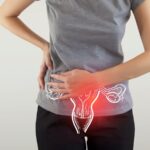
If you’ve ever experienced feelings of hopelessness or suicidal thoughts before your period, know that you’re not alone. Even if you haven’t been diagnosed with a mood disorder, you can experience suicidal thoughts due to hormonal fluctuations during your menstrual cycle.
Hormones and suicidal thoughts
How we feel physically and mentally throughout the month depends largely on three sex hormones: testosterone, estrogen, and progesterone.
These hormones fluctuate depending on where we are in our cycle, so we may feel positive during certain weeks (ovulatory phase) and negative during other weeks (luteal phase).
These fluctuations can cause women to experience extreme negative emotions such as anger, depression, and even suicidal thoughts. According to research It is thought that there may be a direct link between the significant drop in estrogen and progesterone after ovulation and an increase in suicidal thoughts in women.
According to research Suicide is the second leading cause of death for adolescent girls in the United States, with 22% of girls reporting suicidal thoughts compared to 12% of adolescent boys, which may be due to the hormonal fluctuations that adolescent girls experience. Even women who have not been diagnosed with a mood disorder (such as borderline disorder, depression, or anxiety disorder) may experience suicidal thoughts due to hormonal fluctuations.
The largest study to date examining PMDD and suicide found: 34% of women People who suffer from PMDD may have attempted suicide. Researchers confirmed that suicide attempts due to PMDD were unrelated to depression, PTSD, or other illnesses. Sixty-seven percent of women without another mental health diagnosis reported active suicidal ideation, compared with 72% of women with other mental health disorders.
What’s also interesting is what happened recently. Swedish research They also found that women who experience PMS and PMDD are more susceptible to various forms of injury, as well as suicidal behavior, such as car accidents, falls, and other accidents.
What is PMDD?
PMDD (premenstrual dysphoric disorder) is “a disorder characterized by severe mood disturbances, including severe depression, anxiety, and irritability, which usually begins one to two weeks before menstruation and subsides once menstruation begins,” explains the certified sex therapist. aliyah moorePh.D., affects 3-8% of women of reproductive age.
PMDD is not depression or any other mood disorder; Symptoms such as:
- Feeling depressed, hopeless, or suicidal
- Anxiety, nervousness, feeling of being “on edge” or “on edge”
- Persistent and pronounced anger or irritability
- Decreased interest in normal activities
- Feeling lethargic, easily fatigued, or severely lacking in energy
- Significant changes in appetite, overeating, or cravings for certain foods
- Hypersomnia or insomnia
- Other physical symptoms include breast tenderness or swelling, headaches, joint or muscle pain, bloating, and weight gain.
Researchers are still not 100% sure why some women develop PMDD. However, some research suggests Women with pre-existing mood disorders, such as major depressive disorder or anxiety disorders, may be more likely to experience PMDD.
Comparison of PMDD and PMS
Most women experience some degree of PMS (premenstrual syndrome). Some people may have more severe symptoms that further disrupt their lives, while others are barely aware of them and can go about their daily lives as usual.
It is important to note PMS and PMDD are not the same. While PMS is manageable and won’t interfere with your life or turn you into a completely different person, PMDD can have a major impact on your daily life and healthy functioning.
Is there a cure?
While there is no magic cure to completely eliminate severe hormonal fluctuations or PMDD, there are things you can do to manage your symptoms. According to Harvard University HealthThere are two ways to manage PMDD.
antidepressants
Certain types of antidepressants that slow the reuptake of serotonin, known as SSRIs, may help some women manage severe symptoms during the luteal phase of their cycle. Interestingly, according to Harvard Health, women with PMDD do not need to take antidepressants every day, but can only be taken during the luteal phase, when symptoms are most severe.
Lifestyle changes
Lifestyle changes can also affect symptoms and help manage severe mood swings. Reducing your intake of caffeine, sugar, and alcohol, focusing on a diet of unprocessed whole foods, and incorporating aerobic exercise may help improve your symptoms. Mindfulness can help manage stress and may also have a positive impact on women who suffer from PMDD.
Cognitive behavioral therapy (CBT)
There is some evidence That means CBT may help women minimize and even completely eliminate PMS symptoms.
What to do when you feel depressed
When many women experience symptoms of PMDD, such as suicidal thoughts, they tend to continue to suffer silently. It is important to understand that you are not alone and that the discomfort you are experiencing is temporary.
If your symptoms are severe, talk to your doctor to find the treatment that’s right for you. Otherwise, consider seeing a therapist to see if talking therapy might help.