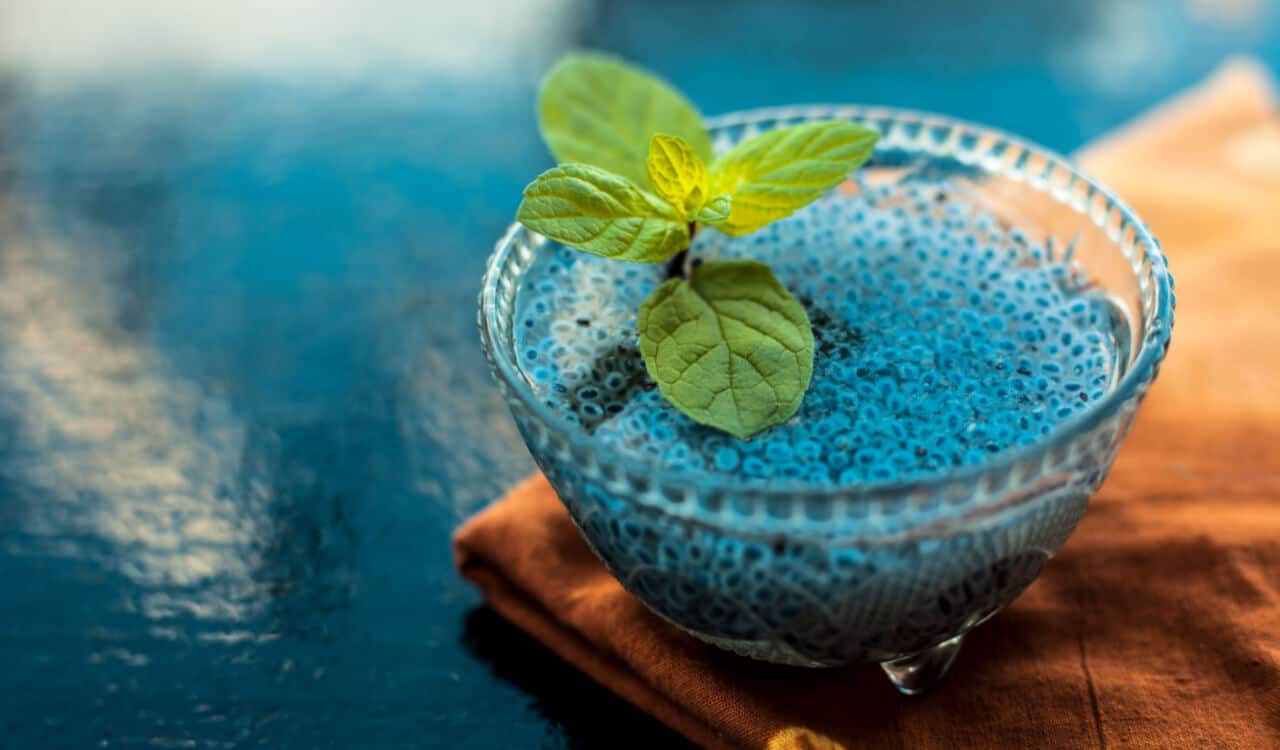
Sabja seeds, also known as tucumaria seeds or basil seeds, are black seeds that look similar to chia seeds and have tremendous health benefits.
Although it is native to India, it is different from holy basil, which is also called tulsi. Sabja seeds are rich in protein, essential fats, carbohydrates and a good source of fibre.
Sabja seeds are very hard and cannot be eaten raw. Therefore, it is best to soak it in water and make it into gelatin before ingesting it.
Sabja seeds are usually obtained from sweet basil, or Ocimum basilicum, which we often use as a seasoning. It is commonly referred to as sweet basil seed because it is obtained from the sweet basil plant.
The benefits of sabja seeds in Ayurveda and Chinese medicine have been known for a long time. But we only recently realized its benefits.
table of contents
- Benefits of sabja seeds
- sabja seeds for weight loss
- Sabjaseed side effects
- recipe
- summary
- Frequently asked questions (FAQ)
Nutritional information of sabja seeds
Research has shown that the nutritional content of basil seeds varies depending on where they are grown. Evidence shows that 100 grams (g) of Indian basil seeds contains:
- Carbohydrates: 42g
- Energy: 473kcal
- Fat: 25g
- Protein: 20g
- Dietary fiber: 40.5g
The main minerals contained in 100g of basil seeds are as follows.
- Iron: 2.27mg
- Magnesium: 31.55mg
- Zinc: 1.58mg
According to research, 100 g of Indian basil seeds contains approximately 473 basil seeds.
Calories — Approximately 61.5 calories per 1 tablespoon (13 g).
6 Proven Health Benefits of Sabja Seeds (Basil Seeds)
Sabjaseed has many benefits such as:
1. Basil seeds help with weight loss
Sabja seeds, rich in alpha-linolenic acid, are known for their weight loss benefits. Rich in dietary fiber, it helps you feel fuller for longer, prevents unnecessary cravings, and aids in weight loss.
2. Basil seeds control blood sugar levels
It slows down the body’s metabolism and controls the conversion of carbohydrates to glucose. It is also considered good for type II diabetics.
3. Basil seeds help relieve constipation and bloating
Sabja seeds naturally detoxify the body by regulating smooth bowel movements. It contains volatile oils that help remove gas from the gastrointestinal tract and acts as a gastric irrigant.
4. Basil seeds help treat acidity and heartburn
Sabja seeds help neutralize the acidic effects of HCL in the body, reducing acidity and heartburn. This is because the seeds are soaked in water before consumption, and the moisture helps soothe the stomach lining and relieve the burning sensation.
5. Basil seeds are good for your skin and hair
The skin benefits of sabja seeds can be achieved by adding the crushed seeds to coconut oil and applying it on the affected areas. This helps treat skin diseases such as eczema and psoriasis. Eating seeds regularly also has many other benefits, including helping secrete collagen, which is needed for the formation of new skin cells.
Sabja seeds have been proven to be beneficial in maintaining healthy hair as they are rich in iron, vitamin K and protein which are necessary for long and strong hair. The antioxidant properties they contain also benefit your skin and hair.
6. Basil seeds help treat coughs and colds
Yet another benefit of sabja/basil seeds is its antispasmodic properties. These seeds help soothe and relax cramped muscles. Its antispasmodic properties help control whooping cough and also help strengthen the body’s immune system.
Basil seeds are rich in minerals that are essential for maintaining good health.
Sabja seeds (basil seeds) for weight loss
These seeds play an important role in Ayurvedic medicines that relieve symptoms such as high blood pressure, cholesterol, depression, type II diabetes, and metabolic imbalances.
Recent discoveries show that these seeds can help you stay full and avoid unnecessary binge eating. Basil seeds for weight loss have become very popular recently due to consistent and reliable evidence.
When sabja seeds are soaked in water, they swell and release digestive enzymes. When ingested, these digestive enzymes suppress appetite and reduce unwanted cravings.
Basil seeds are rich in dietary fiber, which helps you feel fuller for longer, suppressing your appetite and preventing you from overeating.
These seeds are rich in nutrients such as calcium, magnesium, iron, phosphorus, and other multivitamins. It is also rich in alpha-linolenic acid, which stimulates fat-burning metabolism in the body.
A study published in the American Journal of Clinical Nutrition shows that daily intake of linolenic acid reduces fat.
How can I use sabja seeds for healthy weight loss?
They are rich in nutrients and are one of the best ways to lose weight without starving your body of the essential nutrients it needs. It is more effective if you soak it in water before consuming it. When this seed is soaked in water, it becomes translucent and soft under the influence of the water.
To use basil seeds for weight loss, soak 1/2 teaspoon of basil seeds in a cup of hot water and consume directly after 15 minutes. You can also sprinkle these seeds on salads and soups, or mix them with lemonade or green tea.
Side effects of sabja seeds (basil seeds)
You can take sabja seeds, but you should be careful as they may react with other medicines. Although these seeds pose little threat and can be tolerated by almost everyone, it is best to consult your doctor or nutritionist before consuming them.
If these seeds are consumed in limited quantities, they do not pose a threat. However, consuming too many of these seeds has some side effects. Although it varies from person to person, the recommended daily intake should not exceed 1 tablespoon.
Side effects of these seeds include diarrhea, vomiting, nausea, acne, acid reflux, headaches, abdominal discomfort, and loss of appetite. It may also cause hypoglycemia in some people.
Most health care providers do not recommend sabja seeds to pregnant women or even children, as sabja seeds mixed well with water can cause choking in children. These are not recommended for pregnant women as they are thought to reduce estrogen levels in the body.
Basil oil and extracts can slow blood clotting, so they are not recommended for consumption if you have recently had surgery or are injured. If you are planning to have surgery, you should stop using basil at least two weeks before surgery, as the severity of side effects varies from person to person. It is recommended that you consult a healthcare professional before taking it.
sabja seeds recipe
Sabja seeds provide many health benefits. However, soaking them in water and eating them can be boring. To make these seeds interesting, try some of the recipes below.
1. A twist on lemonade
material
- Juice of 1 lemon
- Cold water (ice optional) – 2 glasses
- Strawberry syrup – 3 tablespoons
- Sabjaseed – 2 tsp.
- Roughly tear mint leaves – 4-5 pieces
- A pinch of salt for each glass (optional)
Preparation time: 15 minutes
Cooking time: 5 minutes
Number of people: 2 people
preparation
- Wash the seeds and soak them in warm water for 10-15 minutes.
- Strain the excess water and set aside.
- Add strawberry syrup, lemon juice, and cold water to the jar. Mix well.
- Add the strained seeds, stir and transfer to a chilled glass.
- Add mint leaves and salt.
- Add ice and serve chilled.
You can also use rose syrup or a fruit-flavored drink instead of strawberry syrup. If you want a healthier alternative without added sugar, just add the seeds to your fruit juice. Sabja seeds and coconut water are not only delicious but also a great way to cool yourself down in the summer.
2. Sabjaseed porridge and mixed fruit
material
- Unsweetened almond milk – 400ml
- Cinnamon powder – 1/4 teaspoon
- Sabjaseed – 2 tablespoons
- banana slices – 2
- Pit-in day – 2
- Chopped mixed fruit – 2 cups
- pinch of salt
Preparation time: 15 minutes
Cooking time: 15 minutes
Number of people: 2 people
preparation
- Wash the seeds and soak them in warm water for 10-15 minutes. Strain the excess water and set aside.
- In a blender, combine bananas, unsweetened almond milk, dates, cinnamon, and a pinch of salt. Blend them to form a thick paste.
- Stir in the seeds and let stand for at least 10 minutes.
- Place the sabja porridge in a bowl and top with mixed fruits.
**You can change the consistency of the porridge by adding more almond milk.
summary
Sabja seeds are known for their benefits that add value to your life. Not only do they help keep your skin and hair healthy, but they also provide several other health benefits that you need to maintain a healthy lifestyle.
Please note that basil seeds have many nutritional benefits, but you should consult your doctor before adding them to your diet.
Frequently asked questions (FAQ)
Q. What are the benefits of eating sabja seeds?
Sabja seeds or sweet basil seeds are excellent natural body coolants and can help in weight loss, regulating blood pressure, and relieving acidity and bloating.
Q. How can I consume sabja seeds to lose weight?
The best way to consume sabja seeds is to soak 1 tablespoon in a glass of water for about 15 minutes. You can drink the water with the soaked seeds as is, or you can add them to lemon water, buttermilk, milk, or your favorite juice. These seeds are rich in fiber, which helps you feel full. The gelatinous seeds help in weight loss as they create a feeling of fullness and suppress appetite.
Q. Is it okay to consume sabja seeds every day?
Yes, sabja seeds can be consumed daily.
Q. Can sabja seeds help reduce body temperature?
Yes, these seeds act as natural coolants and lower your body temperature. Serve with cold milk to lower body temperature.
Q. Are sabja seeds good for the thyroid?
Sabja seeds are rich in omega-3 fatty acids, which maintain good metabolism and help the proper functioning of the thyroid gland.
Q. What are the side effects of Sabjaseed?
Raw sabja seeds can cause choking. The high fiber content of sabja seeds can cause digestive side effects such as bloating and diarrhea. Excessive consumption can also cause digestive problems.
Q. How do you say sabja in English?
Sabja seeds are popularly known as sweet basil seeds in English.
Q. Are chia seeds the same as sabja?
No, chia seeds are different from sabja seeds. Chia seeds are small black and white seeds that come from the desert plant Salvia hispanica, and sabja seeds are small black seeds that come from the sweet basil plant, also known as holy basil.
Q. Which is better, chia seeds or sabja seeds?
Chia seeds and basil seeds both offer great nutritional benefits. Although they come from two different plants, they look similar and have similar nutritional benefits. Therefore, it depends on the person to choose which one is better.
Q. Who should not eat sabja seeds?
Sabjaseed slows blood clotting and should not be taken by people after surgery. Pregnant women and children should avoid consuming sabja seeds in drinks and desserts as sabja seeds fluctuate hormones and induce uterine contractions in pregnant women. For children, there is a risk of choking.
Q. When is the best time to drink sabja seeds?
You can add sabja seeds soaked overnight to your morning detox drink or along with your smoothie bowl. However, traditionally, sabja seeds were consumed before meals as they were thought to suppress appetite and aid in weight loss.
Q. Is it okay to take sabja seeds on an empty stomach?
Yes, sabja seeds are recommended as antioxidants and can be added to your morning detox water, so you can consume them on an empty stomach.
Q. Are sabja seeds hot or cold?
Sabja seeds are an excellent natural cooling agent and are known to lower body temperature. Perfect for summer, the seeds can be added to your favorite juice or infused water.
Q. Are sabja seeds effective for hair growth?
Sabja seeds are rich in iron, vitamin K, and protein, which helps reduce hair fall and promote hair growth.
Q. Is sabja seeds good for the skin?
yes. Rich in antioxidants and flavonoids, sabja seeds improve skin texture and reduce wrinkles and fine lines. It is also known to treat skin infections.
Q. Are basil seeds effective for menstruation?
Yes, basil seeds can help improve menstrual regularity while reducing menstrual pain.