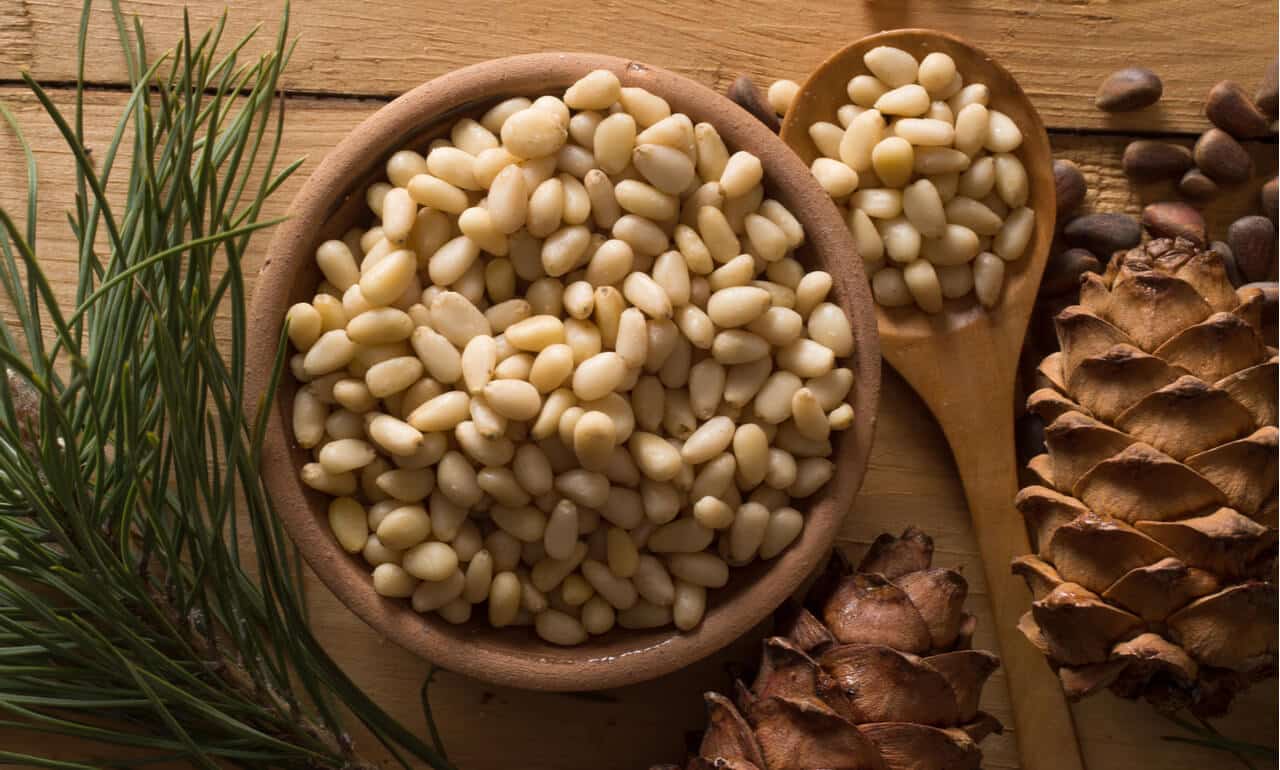
Pine nuts are the most beloved buttery snack of the winter season, rich in heart-healthy fats and minerals. Pine nuts are also called pignolia or pignoli nuts. Despite the name, pine nuts are seeds. Therefore, they can be called nuts or seeds. Pine nuts come with a hefty price tag due to the labor-intensive harvesting process and slow ripening time. It is so expensive that it is called nut caviar.
Although pine nuts are not as common as other nuts, they are still in high demand in multiple industries such as petroleum, beverages, confectionery, and baking. These creamy nuts are native to China, Pakistan, North Korea, and Russia. Pine nuts take about a year and a half to ripen, but under poor conditions it can take twice that time. Harvesters manually separate nuts and seeds from pine cones. After long hours of shelling labor, you get gluten-free and delicious nuts.
Unless you have an allergy, pine nuts can be a healthy addition to your diet. Besides the nutty flavor, it has several other benefits. For example, it boosts energy, suppresses appetite, controls blood sugar levels, and improves vision health. Pine nuts also nourish and moisturize your skin, thanks to their vitamin E and antioxidant properties.
Nutritional value of pine nuts
100 grams of pine nuts contains the following nutrients:
- Calories: 673Kcal
- Carbohydrate: 13.1g
- Monounsaturated fat: 18.7g
- Polyunsaturated fat: 34.1g
- Total fat: 68.4 g
- Protein: 13.7g
- Vitamin E: 9.33mg
- Niacin: 4.387mg
- Potassium: 597mg
- Phosphorus: 575mg
- Magnesium: 251mg
- Calcium: 16mg
- Zinc: 6.45mg
- Iron: 5.53mg
Health benefits of pine nuts
1. Healthy weight loss and weight management
The million dollar question may be: Can these buttery nuts help you lose weight? Oh yes! Pine nuts effectively suppress appetite and contribute to weight loss. A healthy combination of fat, fiber, and protein stimulates satiety. Research shows that fatty acids in pine nuts can help with weight management. Appetite suppressing properties reduce food intake rate by 37%. That’s because the pinolenic acid in pine nuts tricks your brain into thinking you’re full.
Eating pine nuts as an evening snack or an all-day snack provides long-lasting energy. This energy comes primarily from protein content. Increased energy levels will allow you to exercise more and lose excess weight. However, despite the calories in pine nuts, consuming pine nuts does not cause weight gain. Also, pine nuts alone won’t help with healthy weight management. Sleep habits, physical activity levels, and general dietary intake also play important roles in weight management.
2. Blood sugar control
Pine nuts are rich in phenolic compounds that improve blood sugar control. Additionally, the unsaturated fats in pine nuts have a beneficial effect on fasting blood sugar levels. Finally, one study shows that the mineral manganese found in these small nuts can lower your risk of diabetes.
You can eat pine nuts five days a week. Two tablespoons of pine nuts per day is enough to manage diabetes symptoms. Additionally, it helps maintain normal fasting blood sugar levels without worrying about excessive weight gain.
3. Pine nuts promote brain health
Research has confirmed that omega-3 fatty acids support brain health by slowing cognitive decline. They reduce symptoms of depression and risk of dementia. Pine nuts are a great source of brain-boosting omega-3s. Therefore, pine nuts are essential for elderly people to prevent age-related dementia. Additionally, pine nuts contain iron, which stores and transports oxygen into the blood, keeping the brain healthy.
4. Improve heart health
High blood cholesterol levels and the notorious low-density lipoprotein (LDL) increase your risk of heart disease. High LDL causes plaque buildup and artery constriction, leading to strokes and heart attacks. However, pine nut oil is rich in a polyunsaturated fatty acid called pinolenic acid. Research suggests that it may lower LDL in the body by increasing cholesterol metabolism disorders in the liver.
Consuming three servings of pine nuts each week supports heart health. Pine nuts are rich in vitamin E, magnesium, and monounsaturated fats, which lower cholesterol levels. Supplementing a balanced diet with pine nuts may have positive effects on your heart.
5. Rich in magnesium
Pine nuts are an excellent source of the mood-boosting mineral commonly known as magnesium. As the name suggests, magnesium stabilizes your mood, improves sleep, and calms your body. One ounce, or 28.4 g, of pine nuts contains 71.2 grams of magnesium, making them ideal for treating magnesium deficiency. Munching on these nuts is not only important for youth and young adults but also for older adults as well.
Magnesium helps reduce depression, stress, and anxiety. Pine nuts are high in magnesium, so consistent intake of these important nuts may improve anxiety and depression in adolescents.
6. Pine nuts are good for eyesight.
Beta carotene and antioxidants in pine nuts promote eye health. Additionally, these nuts are rich in vitamin A and lutein, which support the development of sharp eyesight. Lutein in pine nuts promotes eye health by blocking UV rays and preventing muscle damage. Lutein is not produced by the body itself, so it is primarily obtained from the foods you eat. Therefore, consuming pine nuts can provide a stable supply of lutein.
Second, antioxidants may fight cell degeneration and prevent vision loss. Finally, the plant pigments in pine nuts have excellent antioxidant properties that fight off free radicals and improve vision.
7. Supports bone health
Did you know that vitamin K builds and strengthens bones better than calcium? That’s true. You may have a calcium-rich diet, but if you don’t get the vitamin K levels you need, you’re at increased risk of weakened bones, fractures, and osteoporosis. Pine nuts provide double protection for bone health. It is rich in both calcium and vitamin K. Pine nuts are one of two tree nuts that contain exceptional levels of vitamin K. If you’re curious about one more thing, it’s cashews.
How to add pine nuts to your diet
Any recipe that calls for nuts is perfect for pine nuts. Add it to smoothie bowls, salads, granola, baked goods, and more. Additionally, you can blend pine nuts into dips, sauces, and soups. This special additive enhances the nutritional value of the meal, giving it a crunchy texture and buttery flavor.
Toasting pine nuts gives them a deeper nutty flavor. To get golden pine nuts, try to keep the heat on medium-low. Toasting them adds flavor, but burnt pine nuts are unpleasantly bitter. Most cooking recipes call for toasting pine nuts. Take it a step further by sprinkling pine nuts on your ice cream, sundae, or yogurt. I sometimes use pine nut oil in cooking, but that’s pretty rare.
Healthy recipes using pine nuts
1. Pesto sauce
This classic Italian sauce is probably one of the most famous pine nut recipes. Homemade pesto sauce packed with pine nuts is healthier and tastier than store-bought versions.
- Yield: 1 cup sauce
- Preparation time: 10 minutes
material
- Pine nuts (toasted): 1/3 cup
- Basil leaves: 2 cups
- Parmesan cheese (grated): 1/4 cup
- Lemon juice: 1 tablespoon
- Garlic (roughly chopped): 2 cloves
- High quality salt: 1/2 teaspoon
- Extra virgin olive oil: 1/3 cup
method
- Combine toasted pine nuts, basil leaves, Parmesan cheese, lemon juice, garlic, and salt. Slowly pour in the olive oil.
- If you prefer a creamier pesto, add more Parmesan cheese. You may want to add salt depending on the bitterness of the basil leaves.
- Leftover pesto can be refrigerated for up to 1 week.
2. Perfect Yogurt
This quick and easy yogurt parfait recipe with pomegranate, spices, and pine nuts is sure to become a new healthy favorite in your home.
- Serving size: 1
- Preparation time: 5 minutes
material
- Plain Greek yogurt: 1 cup
- Chopped banana: 1/2 cup
- Pomegranate: 1/4 cup
- Pine nuts: 2 tablespoons
- Cinnamon: 1/4 teaspoon
- Honey or maple syrup: 1 teaspoon
method
- Add yogurt to the bowl.
- Top with chopped bananas, pomegranate, pine nuts, spices, and your favorite sweetener.
Potential disadvantages of pine nuts
allergy
Like other types of nuts, pine nuts can also cause allergic reactions. Pine nuts can be harmful if you are allergic to other tree nuts. Certain studies indicate that some people have experienced anaphylactic reactions after eating pine nuts. This is a severe, worsening, and potentially life-threatening immune system reaction. Allergy symptoms include:
- wheezing
- repeated vomiting
- swelling of the throat, nose, and lips
- itching in the mouth
- hives
- chest tightness
If you suspect you have a nut allergy, be careful when choosing packaged foods. Please note that a “nut-free” food label does not necessarily mean it does not contain pine nuts. Pine nuts are not highlighted in the ingredient list of prepackaged foods. Don’t be surprised if you find pine nuts in your bag of mixed seeds. Consumers should always make informed choices.
pine mouse
Pine mouth syndrome, or pine nut syndrome, is a temporary reaction that occurs in some people who eat pine nuts. There is a strong metallic taste in the mouth that lasts from 2 days to 2 weeks. However, this taste disorder does not occur in everyone who eats pine nuts.
There is no known cure or underlying cause for this bitter, metallic aftertaste. Avoid consuming pine nuts until your symptoms subside. The bad news is that consuming other foods and drinks during a pine mouth period will make the taste worse.
conclusion
Pine nuts are rich in amino acids, vitamin E, iron, magnesium, antioxidants, and zinc. When it comes to versatility, pine nuts can be used for just about anything. It’s also a great gluten-free option. Although pine nuts are expensive, they contain valuable nutrients and are worth adding to your diet. Allergies and pine nuts may be unfamiliar, but those who are sensitive or allergic to tree nuts should avoid pine nuts.
From a health perspective, pine nuts keep the heart healthy, enrich the body with mood-stabilizing magnesium, control blood sugar levels, and improve vision. These nuts also suppress your appetite and prevent you from consuming excess calories, which can lead to weight gain. Pine nuts may be a good choice for those on a weight loss journey. If you want to experience the goodness of pine nuts firsthand, try them now.
Frequently asked questions (FAQ)
1. What are the benefits of eating pine nuts?
Pine nuts are rich in nutrients such as magnesium, zinc, iron, antioxidants, and protein. These nutrients help with heart health, brain health, weight and diabetes management. Pine nuts also help maintain eyesight.
2. How many pine nuts should I eat per day?
Pine nuts contain omega-3 and antioxidants. Research recommends consuming 2 tablespoons, or about 30 grams, of pine nuts per day. Pine nuts can be added to a variety of dishes or used as a topping for dishes. However, eating too many pine nuts can leave a bitter, metallic taste in your mouth.
3. What happens if you eat too many pine nuts?
Eating too many pine nuts can leave a bitter, metallic taste in your mouth for several days or even two weeks. In rare cases, some people experience taste disturbances. It is known as pine nut syndrome. Nausea, headache, and vomiting may also occur.
4. Which is healthier: pine nuts or walnuts?
Pine nuts and walnuts have similar amounts of calories, protein, and fiber. They also contain similar amounts of iron, potassium, and protein. However, pine nuts are rich in niacin and vitamin E, and walnuts are rich in calcium, vitamin B6, and folic acid.
5. Do pine nuts cause irritation?
Pine nuts are an excellent source of nutrients when consumed in moderation. However, if consumed in excess, it can worsen medical conditions such as arthritis and inflammatory bowel disease. Additionally, pine nuts contain omega-6 fatty acids in the form of linoleic acid, which can worsen inflammation.
6. Are pine nuts good for hair?
Yes, pine nuts are rich in protein that prevents hair damage. It also helps in dealing with hair loss problem. Pine nuts also contain vitamin E, which promotes hair growth.
7. Are pine nuts effective for high blood pressure?
Yes, pine nuts are a source of an amino acid called “arginine” which has antioxidant properties. As a result, it helps lower high blood pressure in hypertensive patients.
8. Are pine nuts keto?
Pine nuts are low in carbohydrates but high in fat. Therefore, it can be consumed even on a keto diet. However, enjoy small amounts and consume in moderation every day.
9. Are pine nuts diuretic?
yes. Pine nuts are edible, economically important, and have several traditional uses. For example, it can be used for diuretic, antiseptic, expectorant, antibacterial, antiviral, antifungal, antihypertensive, and antinervous effects.
10. Are pine seeds edible?
yes. Pine seeds are edible and one of the healthiest nuts. Pine seeds add flavor to many dishes and are very nutritious. It also helps in weight loss.
11. Is it okay to eat pine nuts during pregnancy?
Yes, during the first three months of pregnancy, you can consume the ideal amount of pine nuts, i.e. 90 g per week. Perfect for your baby’s health. Pine nuts are rich in healthy fatty acids, which help your baby’s overall development.