Although the Paleo diet has become popular in the 21st century, its origins actually date back to the 1970s. Its increasing popularity is mainly due to its effectiveness in aiding weight loss. Let’s explore what the paleo diet actually means and how beneficial it can be.
What is the paleo diet?
The Paleo diet is similar to what our hunter-gatherer ancestors ate during the Paleolithic era. These hunter-gatherer ancestors had fewer lifestyle diseases such as obesity, diabetes, and heart disease. It can be mainly attributed to their natural food-based diet and physically active lifestyle.
Several studies have proven that the Paleo diet can lead to weight loss. However, please note that Healthify does not recommend following the Paleo diet as is. If you are considering following the Paleo diet, you will need to make the necessary changes to suit your requirements. If you’re looking to lose weight, be sure to talk to a Healthify nutritionist first.
Types of paleo diet
traditional paleo diet
This is a traditional form of the paleo diet, strictly following the norms of the time of our ancestors. It leaves no room for innovation or moderation. Processed and packaged foods, soft drinks, sugar, and sweeteners are prohibited on this diet. In other words, you should avoid touching any food that has been processed in a factory.
modified paleo diet
This is a new and modified version of the Paleo diet. It is flexible and includes new menus such as:
- You can consume dairy products (organic milk, butter, homemade cheese, etc.) that come from grass-fed animals.
- Gluten-free grains such as rice and gluten-free flour are allowed
- You can also drink high-quality red wine, as it contains antioxidants and beneficial nutrients. (small amount)
- Dark chocolate with a cocoa content of 70% or more is incredibly healthy for you to enjoy.
Benefits of the paleo diet
Like any other diet plan, the Paleo diet has its own benefits.
1. Weight loss
One of the main features of the Paleo diet is the consumption of unprocessed foods. Therefore, Paleo diets tend to be very low in carbohydrates. This is because foods such as processed grains are excluded.
Processed and high-carbohydrate foods tend to affect blood sugar levels. By removing these foods from your diet, the Paleo diet can help lower blood sugar levels and reduce body fat. Therefore, diet therapy can help you achieve your weight loss goals.
Recent studies have shown that healthy women on a Paleo diet experienced greater weight loss compared to women on a typical low-fat diet. This suggests that the Paleo diet may be effective for weight loss.

2. Increased insulin sensitivity
Since most paleo foods are relatively low in carbohydrates, there is less demand on the pancreas to produce insulin. Studies have shown that the Paleo diet reduces insulin in the body and increases insulin effectiveness. Additionally, it reduces insulin resistance, which is the driving force behind type 2 diabetes. As a result, some people may need less medication.
3. Higher energy levels
As part of the Paleo diet, you eat low-glycemic foods. It may help you avoid a drop in energy levels. Consuming high GI or sugary foods can quickly lower your energy levels.
4. Improved digestion
The Paleo diet is rich in fruits and vegetables. Adequate amounts of fruits and vegetables in the diet lead to increased fiber intake. Eating enough fiber helps with digestion. It also relieves constipation. Additionally, studies have shown that high levels of fiber can help you feel fuller for longer.
5. Reduce inflammation
High levels of inflammation in the body increase the risk of several health problems, including type 2 diabetes. Therefore, eating low-carbohydrate, low-GI foods can help prevent excessive inflammation. This is especially true for omega-3 fatty acids.
Inflammation can lead to many degenerative diseases such as cancer, arthritis, cardiovascular disease, and lung disease. The paleo diet is rich in antioxidants. Research suggests that the Paleo diet may reduce inflammation. Thus, it protects you from various degenerative diseases.
Paleo diet side effects
Apart from its benefits, the Paleo diet also addresses its own set of problems. Here are some of the common side effects of the Paleo diet.
1. Low blood sugar levels
If you use insulin, you should take precautions before adopting a paleo diet. If you continue your diet while using insulin, you may suffer from hypoglycemia. The main problem is that it can lower blood sugar levels.
During a low-carbohydrate diet, fewer medications are needed. Therefore, the dosage should be changed to prevent hypoglycemia. Ideally, you should consult your doctor before starting a Paleo diet.

2. Low Carb Flu
Removing starches, legumes, and grains from your diet can cause fatigue, irritability, and lethargy. Although the Paleo diet gets enough carbohydrates from plant sources, the overall changes in carbohydrate intake can be quite large.
This can happen if your current diet is high in bread, beans, and pasta. This condition is called low-carbohydrate influenza. These symptoms may last 3 to 4 weeks. During this stage, your body burns fat for fuel instead of carbohydrates. Reduce the effects of this flu by gradually reducing your carbohydrate intake.
3. Hypothyroidism
Symptoms of hypothyroidism, such as fatigue, sluggishness, and sensitivity to cold, are observed in people who follow a low-carbohydrate diet for a long period of time. Additionally, following a low-carbohydrate diet can suppress your appetite and eventually lead to starvation.
When you lose too much weight, your body downregulates thyroid function to conserve energy. You can eat larger amounts of paleo vegetables to maintain your carbohydrate levels.
4. Excess protein
The Paleo diet contains large amounts of animal protein. Contains meat, poultry, fish, and eggs. Unfortunately, all of these foods, except for fish, are high in saturated fat and cholesterol.
Consuming too much animal protein can lower blood levels of HDL cholesterol and increase LDL levels. Your risk of heart disease may increase. Because the paleo diet is rich in protein, your kidneys have to work harder to remove excess waste.
5. Craving
A common side effect of the diet is cravings for sugar and other non-Paleo options like french fries and potato chips. This is typically seen during the first few weeks of transitioning to a paleo diet.
After this transition, these cravings diminish and people on the Paleo diet no longer crave sweets or non-Paleo foods.

Paleo diet: food
The Paleo diet includes foods eaten by our hunter-gatherer ancestors during the Paleolithic era. That being said, it is important to note that diets should be modified to suit each individual’s requirements. Below are some of the foods that you must consume as part of your diet.
1. Meat and seafood
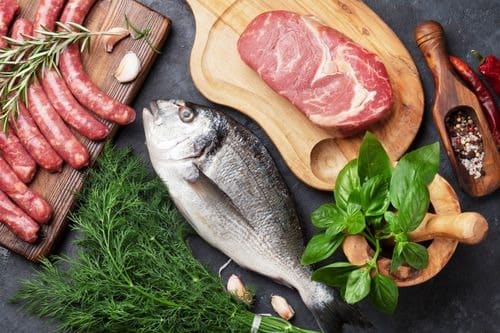
Most types of meat and seafood fit perfectly into the paleo diet. Eating meat, which is a good source of lean protein, can help you stay fuller longer. It also helps build and strengthen cells and tissues in the body.
You can choose from common meats like chicken and turkey, as well as popular seafood like salmon and tuna. However, grass-fed meat is preferred over grain-fed meat because it is lower in fat and contains more omega-3 fatty acids. This reduces inflammation and supports heart health.
Choosing wild-caught seafood is a healthier option than farm-raised. That’s because it may help increase your intake of omega-3s.
2. Fruits and vegetables
The health benefits of fruits and vegetables are well-documented. It is rich in vitamins, minerals, fiber and antioxidants. The only downside to the Paleo diet is that some vegetables, such as potatoes, are starchy. Also, fruits such as bananas contain a lot of sugar. Therefore, if you aim to lose weight, you should consume these foods in moderation.
The key to following the Paleo diet is eating whole, unprocessed foods. Therefore, fruits and vegetables form an important part of the diet.
As part of your diet, you can consume vegetables such as cauliflower, broccoli, Brussels sprouts, cabbage, and spinach. Fruits such as apples, berries, grapes, peaches, and plums should also be included.
3. Nuts and seeds
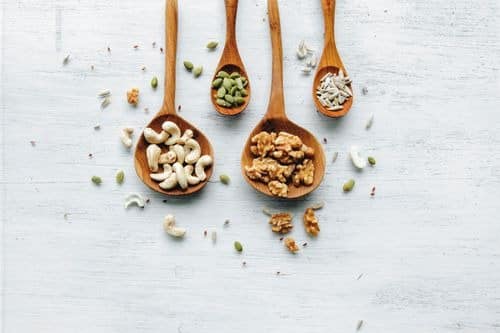
Nuts and seeds are rich in healthy fats, fiber, and protein. In prehistoric times, people also knew they foraged. However, it is important to note that peanuts are technically a legume. Therefore, you should refrain from consuming them.
Some paleo nuts to consider as part of your diet include almonds, cashews, pistachios, and walnuts. You can also consume chia, sunflower, pumpkin, and flaxseed as part of a paleo diet. Nuts and seeds are essential to the Paleo diet.
4. Healthy oils
Oils can be a little trickier than other foods on the Paleo diet. However, some are allowed, such as olives, walnuts, flaxseed, avocado, and coconut oil. Because it is collected directly from the plant.
However, Paleolithic people did not consume linseed oil. Our eating habits allow us to do so. This is because of its high alpha-linolenic acid (ALA) content. ALA is a heart-healthy, anti-inflammatory omega-3 fatty acid.
5. Eggs
Eggs are rich in protein, B vitamins, minerals, and antioxidants. That’s why they’re an important part of the Paleo diet. Additionally, organic eggs can provide eggs with higher omega-3 content than eggs from cage-raised chickens. Therefore, it becomes a better option.
paleo diet diet plan chart
To help you better understand the Paleo diet, we have put together a 7-day Paleo diet meal plan. However, it is essential that it contains all the nutrients your body needs.
Day 1
- 8:30am: 1 spinach egg omelette made with ghee and 1 apple.
- 11am: 1 cup of green tea
- 13:30: Shredded chicken and vegetable salad with olive oil dressing
- 5:30pm: 1 cup of green tea and a handful of mixed nuts
- 8:30pm: Baked Salmon with Vegetables and Avocado
2nd day
- 8:30am: Eggs and vegetables with ghee and 1 banana
- 11am: 1 cup of green tea
- 13:30: Chicken salad with olive oil
- 5:30pm: 1 cup of green tea and a handful of mixed nuts
- 8:30pm: Meat burger fried in organic butter (no bun), served with vegetables and salsa.
3rd day
- 8:30am: Chicken and egg (cooked together) with orange
- 11am: 1 cup of green tea
- 1:30pm: Stir-fried salmon and vegetables with organic butter
- 5:30pm: 1 cup of green tea and a handful of mixed nuts
- 8:30pm: Roast steak and vegetables
Day 4
- 8:30am: Egg and a quarter papaya
- 11am: 1 cup of green tea
- 1:30 PM: Fresh vegetables with lettuce leaves and meat
- 5:30pm: 1 cup of green tea and a handful of mixed nuts
- 8:30pm: Stir-fried minced meat with vegetables and berries.
Day 5
- 8:30 AM: Stir-fried eggs and vegetables with ghee
- 11am: 1 cup of green tea
- 13:30: Grilled chicken with roasted potatoes and apples
- 5:30pm: 1 cup of green tea and a handful of mixed nuts
- 8:30pm: Vegetable and sweet potato steak.
Day 6
- 8:30 AM: Boiled eggs and stir-fried vegetables
- 11am: 1 cup of green tea
- 13:30: Tuna lettuce wrapped with vegetables
- 5:30pm: 1 cup of green tea and a handful of mixed nuts
- 8:30 PM: Baked vegetable and pomegranate sandwich
7th day
- 8:30am: A basket of eggs, gluten-free bread, and a quarter of a watermelon.
- 11am: 1 cup of green tea
- 1:30 PM: Meat and fresh vegetables wrapped in lettuce.
- 5:30pm: 1 cup of green tea and a handful of mixed nuts
- 8:30pm: Grilled chicken wings with vegetables, salsa and hummus dip.
Consult a nutritionist before changing your current diet or introducing anything new.
Drinks on the paleo diet
Drinks are essential for keeping your body hydrated. Water is the ultimate drink for hydration. Apart from water which is the most important drink. Two other drinks that can be included are:
- Black Tea: Black tea without sugar is healthy. It contains antioxidants and various nutritional components that are beneficial to our body.
- Coffee: The caffeine found in coffee has many nutritional benefits for everyone. However, excessive consumption of coffee can cause various health problems. Therefore, it should be consumed in moderation.
Snacks on the paleo diet
Snacking is a habit that is widespread among many people. What’s important is what you eat during snack time. Here are some easy and healthy snack options for the Paleo diet:
- fruit
- nuts
- baby carrot
- boiled egg
- berries with cream
- Served with apple slices and almond butter
Foods to avoid on the paleo diet
Most processed foods should be completely avoided when on the Paleo diet. Here is a list of foods that are prohibited when it comes to the paleo diet:
1. Grain
Grains are a product of modern agriculture and did not exist in the Paleolithic era. Therefore, grains as a whole are prohibited on the Paleo diet. Additionally, it is rich in carbohydrates. As a result, it can cause a spike in blood sugar levels.
Whole grains don’t cause blood sugar spikes like refined grains, but they do contain gluten, lectins, and phytates. These compounds can cause inflammation in the body and interfere with the absorption of other nutrients.
2. Legumes
Legumes are members of a large family of plants that have seeds or pods and include all lentils, peas, beans, tofu, peanuts, and soybean foods. However, it is not allowed in paleontology due to its high content of lectins and phytic acid.
Legumes are low in fat and high in protein, iron, and fiber. Therefore, research supports the consumption of legumes. However, if you are on a paleo diet, you should avoid legumes.

3. Processed foods
Processed foods such as refined sugar, salt, and refined vegetable oils should be avoided. Refined sugar and excess salt contribute to high blood pressure, obesity, and heart disease.
There is some debate about vegetable oils and certain artificial sweeteners, but they are not allowed on the Paleo plan. This is due to the ratio of omega-6 fatty acids to omega-3 fatty acids. The method of processing these oils also contributes to their elimination.
summary
While the Paleolithic diet may have its benefits, it also comes with side effects that cannot be ignored. Therefore, despite its benefits, Healthify recommends that you continue to eat a healthy and balanced diet to maintain your weight and stay healthy.
Frequently asked questions (FAQ)
Q. What do you eat on the paleo diet?
Paleo is a nature-friendly diet. Avoid consuming processed foods. We need to consume the natural foods available to our paleolithic hunter-gatherer ancestors. You can eat meat, fish, poultry, nuts, seeds, unrefined oils, fruits and vegetables.
Q. Is the paleo diet effective?
Yes, it works because it’s a high protein, low carbohydrate diet. Eating increases your metabolism and suppresses hunger. It also stabilizes blood sugar levels and aids in fat loss.
Q. Which is better for weight loss: Keto or Paleo?
Both the keto and paleo diets can help you lose weight effectively. However, they have advantages and disadvantages. Therefore, it is ideal to consult a certified nutritionist before following either diet.
Q. Is the paleo diet harmful?
The Paleo diet has side effects. Research shows that the paleo diet can have negative effects on your heart and gut health.
Q. What does the Paleo diet include?
The Paleo diet consists of eating foods similar to our Paleolithic ancestors. It recommends avoiding processed foods and consuming only organic and healthy foods.
Q. Will I lose weight on the Paleo diet?
All refined carbohydrates and processed foods that are high in trans fats are eliminated from the diet. Therefore, if you follow this diet, you will lose weight. However, you need to maintain proper portion sizes.
Q. Can I eat fruit on Paleo?
Yes, eating whole fruits is allowed on the paleo diet. However, fruit juices and processed foods are prohibited.
Q. Can I eat Paleo food?
No, rice is strictly prohibited in the paleo diet, as it is galin and a product of modern agriculture.
Q. What are the downsides to the paleo diet?
Some side effects of the paleo diet include high protein intake, hypothyroidism, low carbohydrate flu, and fluctuations in blood sugar levels.
Q. Does Paleo get rid of belly fat?
Yes, the Paleo diet is a high-protein, low-carbohydrate diet that helps you get rid of belly fat.
Q. Are bananas part of the paleo diet?
yes. You can eat bananas on the paleo diet.
Q. Can I eat potatoes on Paleo?
No, potatoes are high in carbohydrates and cannot be consumed on a Paleo diet.
Q. Which is healthier: Keto or Paleo diet?
However, both diets have benefits. They work by different mechanisms. The keto diet eliminates all carbohydrate sources, while the paleo diet eliminates only refined carbohydrates.
Q. Is yogurt okay on a paleo diet?
Although not part of the traditional diet, modern paleo diets include yogurt.
Q. Is it okay to drink almond milk while on a paleo diet?
No, almond milk is prohibited on the Paleo diet.
Q. Can I drink alcohol with Paleo?
Although alcohol isn’t technically part of the Paleo diet, modern Paleo diets include high-quality red wine and 100% agave tequila.
Q. Is pineapple allowed in Paleo?
yes. Eating pineapple is allowed on the Paleo diet. However, it should be consumed in moderation as it has a medium GI value.
Q. Is the Paleo diet scientifically proven?
yes. It has been scientifically proven that the above effects can be achieved. However, this requires further research.