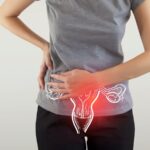
9-14% of women Experience Experience Ovulation Bleeding – One of the different types of bleeding between periods.
ovulation bleeding Mild vaginal bleeding that occurs before, during, or immediately after ovulation, around days 10 to 14 of your cycle.
In most cases, no other symptoms occur. However, in some cases, the following symptoms may occur: ovulation painsimilar to mild cramps that can last for several days.
What is the bleeding like during ovulation?
Bleeding during ovulation is often light, with only a few drops dripping onto your underwear. It can be very bright pink, red, or brownish in color.
During ovulation, cervical mucus production increases and blood may mix with cervical fluid.
What causes ovulation bleeding?
Ovulatory bleeding is caused by hormonal changes that occur around the ovulatory phase of your cycle. Around days 10 to 14 of the menstrual cyclethe ovaries release eggs that are fertilized.
“When ovulation occurs, there is a surge of luteinizing hormone (LH) that signals the follicle to release an egg. This surge is preceded by an increase in estrogen levels, followed by an increase in progesterone,” explains the certified sex therapist. Dr. Aliyah Moore.
The endometrium is very susceptible to hormonal changes, so when hormonal changes occur during ovulation, it may start to flake off.
Ovulation bleeding and implantation bleeding
One of the earliest signs of pregnancy is implantation bleeding. This occurs when the fertilized egg attaches to the uterine wall approximately 10-14 days after fertilization. The pain is also very mild and lasts for several days, and may be accompanied by mild cramp-like pain. Ovulation and implantation bleeding are often confused.
The best way to differentiate them is by timing. Tracking your cycle will tell you the approximate day of ovulation. If you experience bleeding during ovulation, it may be ovulation bleeding.
Implantation bleeding often occurs after ovulation, so it can occur around the time your period begins.
Of course, if you’re not sure if it’s ovulation bleeding or if you might be pregnant, it’s best to take a pregnancy test or consult your gynecologist.
Relationship between bleeding during ovulation and menstruation
If you’re not sure whether you’re having ovulation bleeding or your period, here’s how to tell.
- What time is your menstrual cycle? Menstruation occurs every 21 to 35 days of your cycle, so if you’re in the middle of your cycle, it’s ovulation bleeding.
- How long does the bleeding last? Menstruation often lasts two to seven days, but ovulation bleeding can last up to 48 hours.
- How much blood is lost? Bleeding during ovulation is often just a few drops, but the amount of menstrual blood can be up to three tablespoons.
- What are the other symptoms? Menstruation is often accompanied by a variety of symptoms, including bloating, headaches, back pain, severe cramps, and fatigue. Ovulation bleeding may cause mild abdominal pain and increased vaginal discharge, but there will be no further bleeding.
Ovulatory bleeding and ectopic pregnancy
Ann ectopic pregnancy It occurs when a fertilized egg implants outside the uterus. it happens 1 in 50 pregnancies In the United States, it is a potentially life-threatening experience. One of the early symptoms of an ectopic pregnancy is: light vaginal bleeding There may also be mild pelvic pain, which may be mistaken for ovulation bleeding.
To make sure the ovulation bleeding you’re experiencing isn’t an ectopic pregnancy, be aware of other symptoms that may accompany an ectopic pregnancy, such as nausea, breast tenderness, and fatigue.
If you suspect you may have an ectopic pregnancy, contact your health care provider immediately.
Is it possible to get pregnant during ovulatory bleeding?
Yes, it is possible to get pregnant even if you have ovulation bleeding.
In fact, if you experience ovulation bleeding followed by other ovulation symptoms such as cervical mucus discharge, breast pain, or a strong sex drive, it means you’re in the most fertile period of your cycle, when the egg has been released from the ovary and is ready to be fertilized by sperm.
If you don’t want to get pregnant, avoid sex or use a birth control method during ovulation to reduce your chances of getting pregnant.
When are the signs that ovulation bleeding is a concern?
Bleeding during ovulation is usually normal, so don’t panic if you notice a few drops of blood around the time of ovulation.
However, if you experience heavy bleeding or severe pain, you should consult your doctor as this may be a sign of an emergency. The same goes if you notice an unusual bleeding pattern during your menstrual cycle. This could be a sign of an underlying problem, so it’s a good idea to talk to your doctor about it.