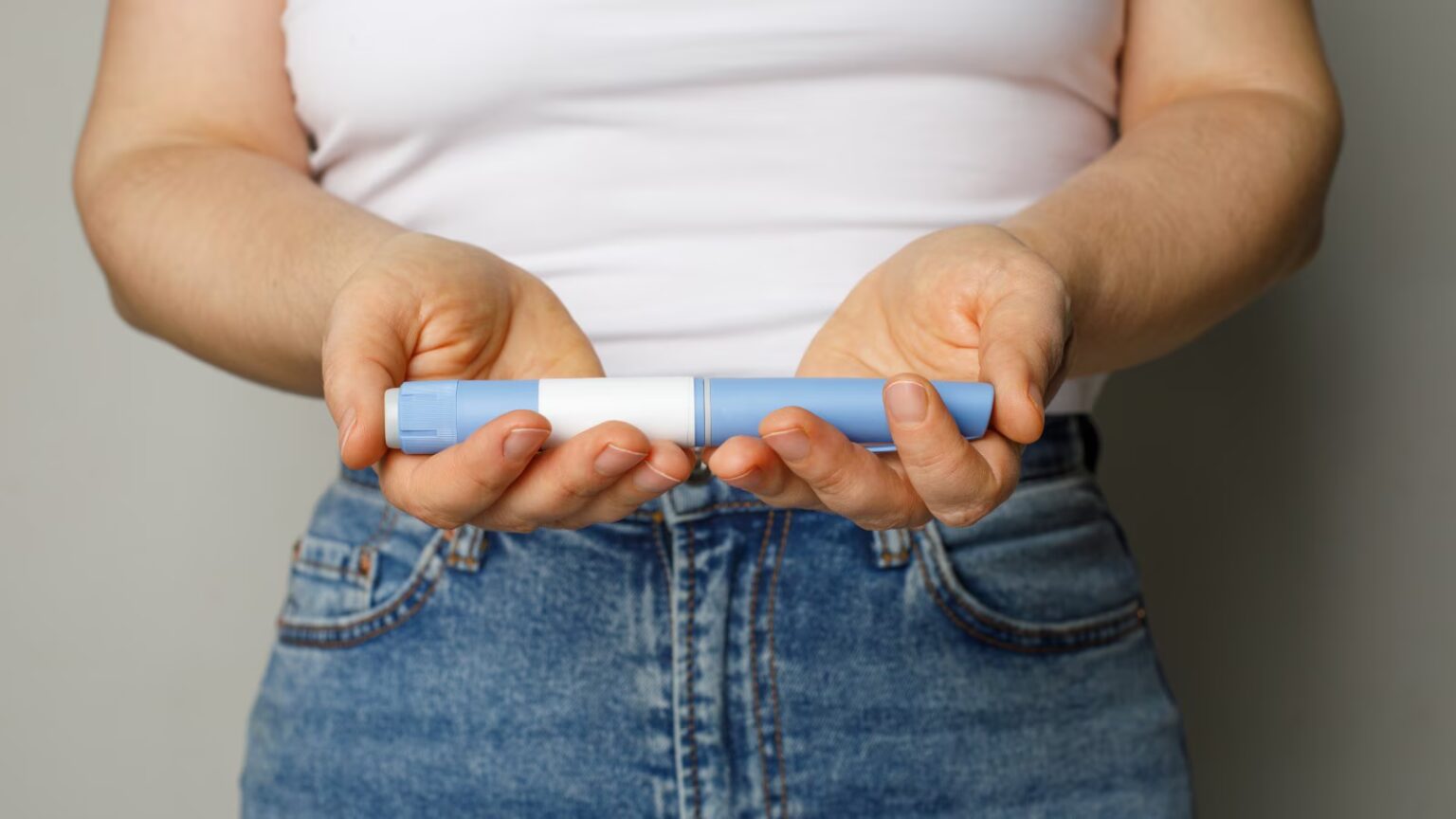
GLP-1 weight loss drugs help many people lose excess weight, but they are not equally effective for everyone. Experts explain why weight loss doesn’t appear right away for some people, and what that really means.
Obesity is a global health challenge. According to the World Health Organization (WHO), obesity will be associated with approximately 3.7 million deaths worldwide in 2024, and the number of people living with obesity could double by 2030 unless strong action is taken. In recent years, drugs known as GLP-1 drugs have gained attention for managing type 2 diabetes and weight problems. In fact, WHO added GLP-1 therapy to its list of essential medicines for high-risk diabetic patients in September 2025, recommending its use in obesity management as part of a comprehensive approach. However, while some people lose a lot of weight with these drugs, others do not see the same results.
What are GLP-1 therapeutics?
GLP-1 drugs, also called GLP-1 receptor agonists, are drugs that mimic a natural hormone in the body known as glucagon-like peptide 1. This hormone is released by the intestines after a meal and sends a signal to the brain that the body has consumed enough food.
When we eat, carbohydrates are broken down into glucose and enter the bloodstream. GLP-1 stimulates the pancreas to release insulin, which helps move glucose into the body’s cells for energy.
“Drugs such as semaglutide and tirzepatide replicate this natural process. These drugs work by regulating appetite, controlling blood sugar levels, and slowing stomach emptying. These drugs were originally developed to treat diabetes, but are now widely used to treat obesity,” explains Dr. Rajiv Kobil, director of diabetes and weight loss expert at Zandra Healthcare. He added that GLP-1 drugs act on the body’s natural satiety signals, rather than countering them.
How do GLP-1 drugs help with weight loss?
GLP-1 drugs can help you lose weight by improving communication between your brain and your gut, which controls hunger. These drugs act on the appetite centers of the brain, specifically the hypothalamus and reward system. As a result, people tend to feel full sooner and stay satisfied longer. They naturally eat less and have less appetite.
GLP-1 drugs also slow stomach emptying and help stabilize blood sugar levels. This prevents the sudden surge of hunger that often occurs after meals. Clinical studies have shown promising results. Research shows that many people taking GLP-1 drugs can lose about 10 to 15 percent of their body weight when they combine the drug with a healthy diet and regular physical activity.

A study published in Touch Reviews in Endocrinology followed nearly 2,000 people with a Body Mass Index of 30 or higher for 68 weeks. On average, participants who received semaglutide lost about 15 percent of their body weight, compared with about 2.5 percent in the placebo group.
Why do some people not lose weight even after taking GLP-1 drugs?
Despite promising results, GLP-1 drugs do not work the same way in everyone. Obesity is influenced by multiple hormones, brain pathways, genetics, and lifestyle factors. GLP-1 is only one part of this complex metabolic system. Coville says other appetite-regulating hormones and neural circuits may play a stronger role in some people. This means that GLP-1 signals alone may not be strong enough to significantly alter metabolism or body weight.
This is also why new treatments such as tirzepatide and other new treatments target multiple hormonal pathways rather than just GLP-1. Other factors that can affect results include:
- genetic differences
- existing medicine
- hormonal or endocrine disorders
- metabolic rate
- Lifestyle patterns such as sleep, stress, and physical activity
These variables may mean that some people require a more individualized treatment plan rather than relying on a single drug.
From Lizzo to Rebel Wilson: 11 Hollywood celebs who used Ozempic for weight loss
Signs the drug is working even if your weight hasn’t changed
Interestingly, weight loss on the scale is not necessarily the first sign that GLP-1 therapy is working. Many patients notice other positive changes before they see significant weight loss. Common early signs include:
- You can feel satisfied even with a small amount
- Less frequent snacking and grazing
- decreased appetite
- I think about food less often
- More likely to leave food uneaten
- More stable energy levels throughout the day
- Clothes fit slightly differently
These changes indicate that your body’s appetite and metabolic signals are shifting in the right direction.
How long does it take to lose weight with GLP-1?
Weight loss with GLP-1 drugs takes time and varies greatly from person to person. “Some people notice effects right away, while others require higher doses or longer treatment to see results,” Dr. Coville explains.
Research shows that with continued use of drugs such as semaglutide in conjunction with healthy lifestyle changes, many patients can end up losing 15 to 20 percent of their body weight. Experts emphasize that these drugs are most effective as part of a long-term medical strategy that includes balanced nutrition, physical activity, and ongoing clinical supervision.
In short, GLP-1 drugs are a powerful tool in the fight against obesity, but they are not a panacea. Understanding how the body responds and working closely with medical professionals can help people achieve more sustainable weight loss results.